Where They Live

Appendix · Scoring Reliability

TEST–RETEST: ALL 100 HOMES

Every home below was scored three independent times by Claude Opus 4.6 using the same v2.3 instrument: nine axes, 1–5 scale, original magazine page images. No run has access to prior scores. Sorted by number of exact matches (fewest first) so the most interesting disagreements appear at the top.

42Perfect 9/9
95≥ 7/9
100Total homes
900Axis comparisons

Test–Retest: 01

Page 244Page 245Page 246Page 247Page 248Page 249Page 250Page 251
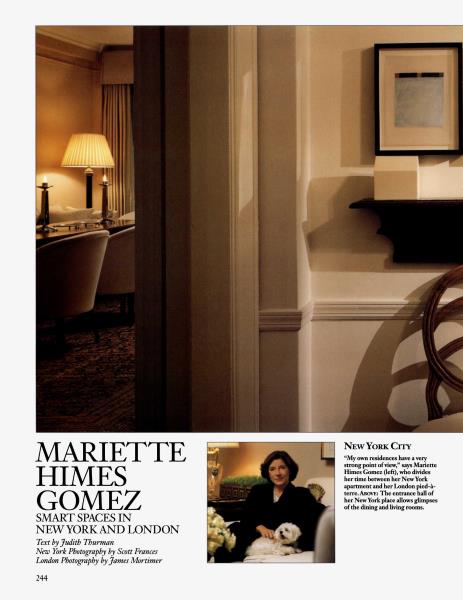
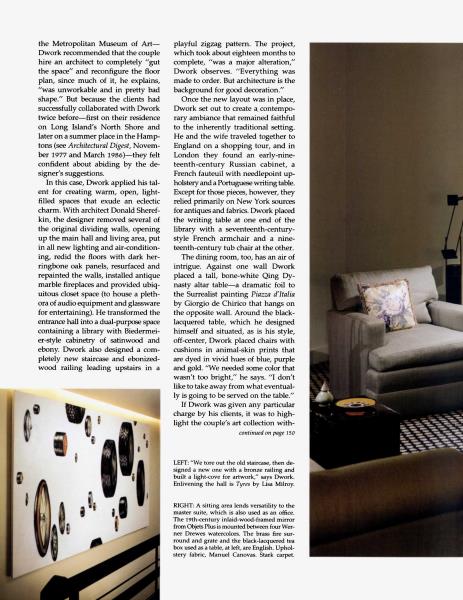
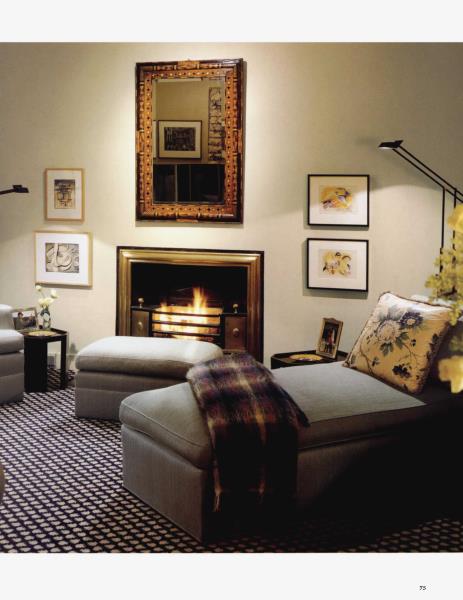
#4804Mariette Himes GomezMARIETTE HIMES GOMEZ
AD 1997-096/9
RUNGrandeurMate.Maxi.Hist.Prov.Hosp.Form.CurationThea.
Original243341342
Run A243342+1341-1
Run B24333-11342
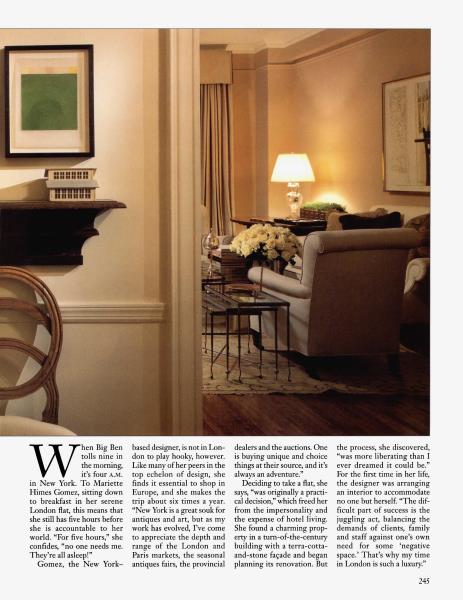
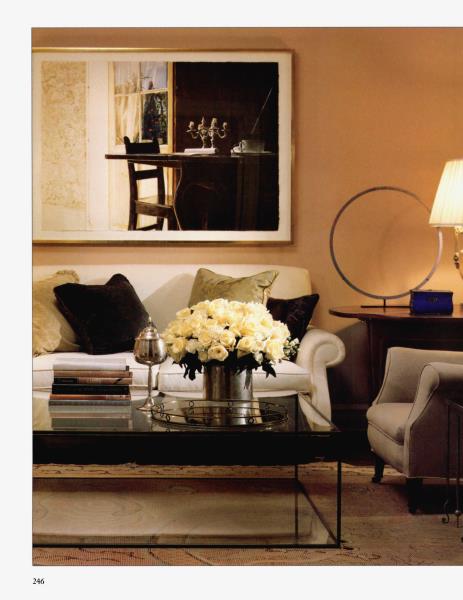
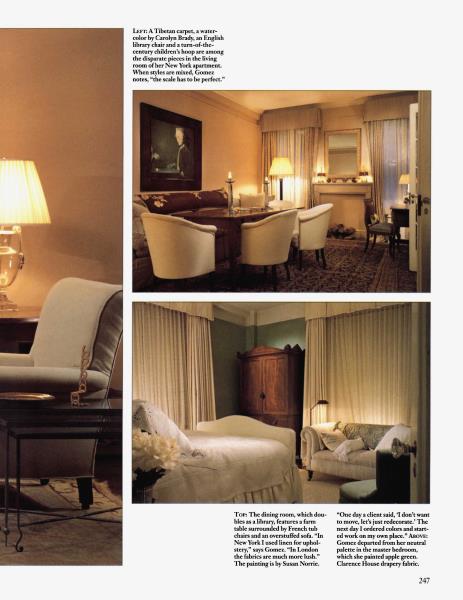
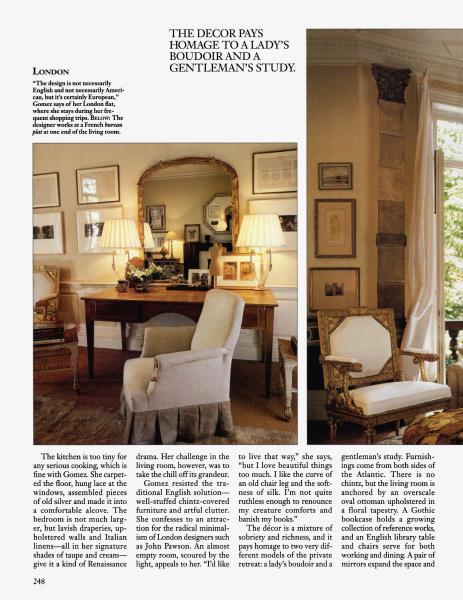
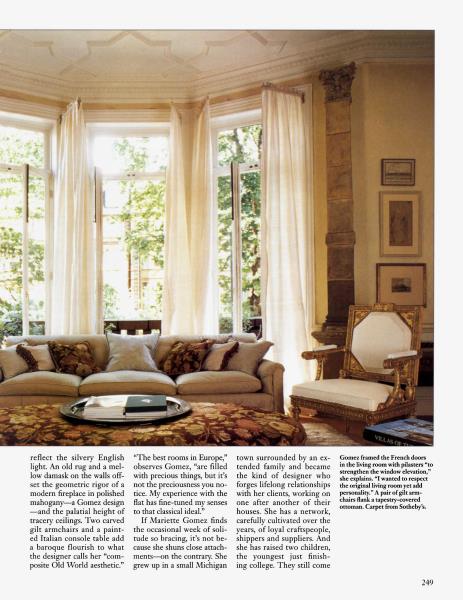
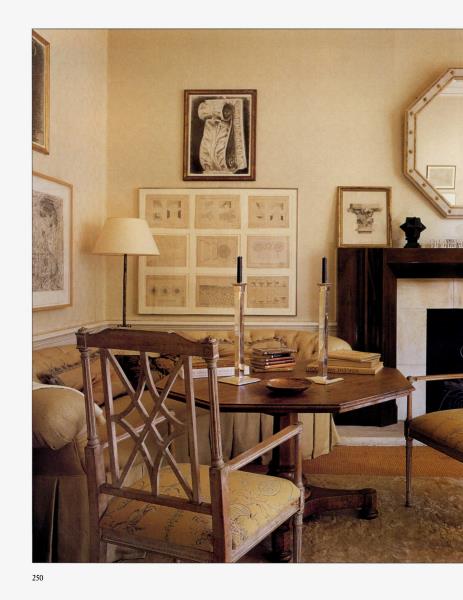
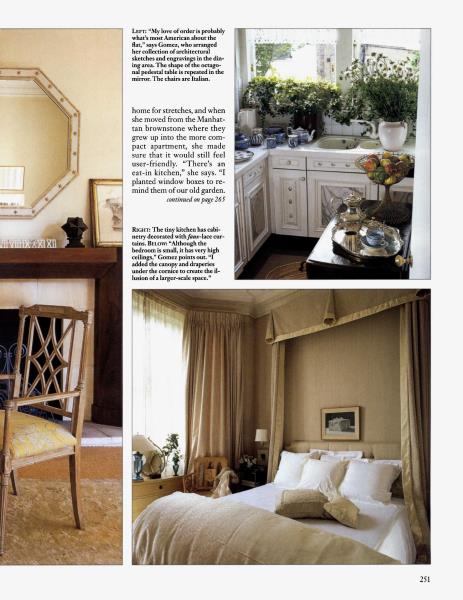
OriginalA designer's private laboratory for restrained European warmth — compact New York and London spaces where every taupe, every linen slipcover, and every antiques-fair find is calibrated with professional precision but genuine personal affection. The rooms reject spectacle in favor of a deeply internalized Old World sensibility that prizes scale, softness, and the silvery English light over London's rooftops.
Run AA designer's private vocabulary spoken at a whisper. Both residences are amber-toned cocoons where European antiques, linen slipcovers, and white roses create the same quiet atmosphere whether in Manhattan or London. The scale is deliberately intimate — these are spaces designed to disappear into, not to show off.
Run BA designer's private laboratory for refined restraint — two compact residences that prove luxury is discipline, not scale. The palette of taupe, cream, and gold across both New York and London creates a signature warmth that feels personal rather than editorial, though the professional hand is never fully hidden. Smart spaces where 'the scale has to be perfect' and every object earns its place through dialogue, not display.
AnalysisDisagreement across 3 axes (Provenance, Hospitality, Theatricality), all within ±1 point. The uncertainty spans Stage/Story — this home resists easy categorization.

Test–Retest: 02

Page 132Page 133Page 134Page 135Page 136Page 137
#5341Alfredo RoaEarthly Temples
AD 2003-086/9
RUNGrandeurMate.Maxi.Hist.Prov.Hosp.Form.CurationThea.
Original454445342
Run A454444-1342
Run B4544454+143+1
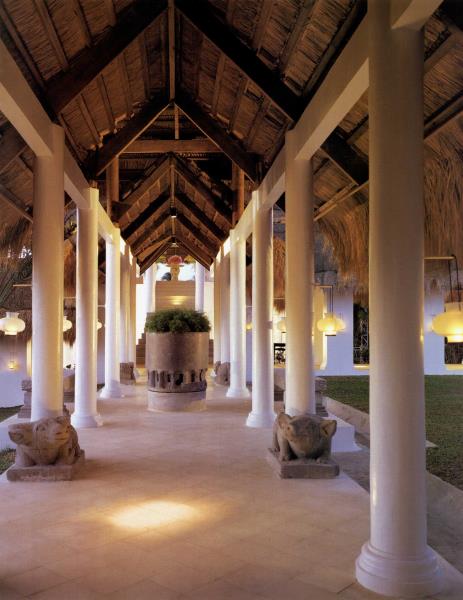
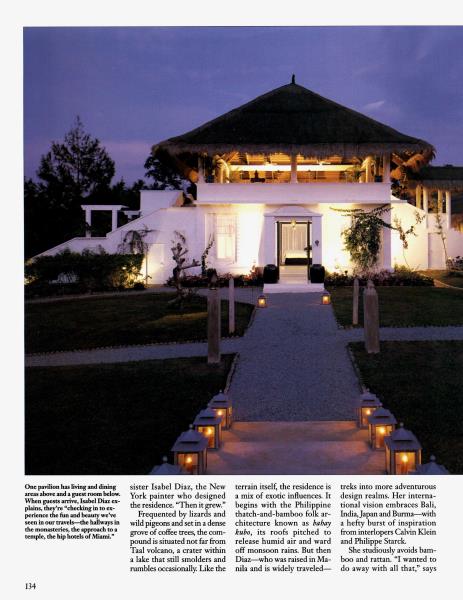
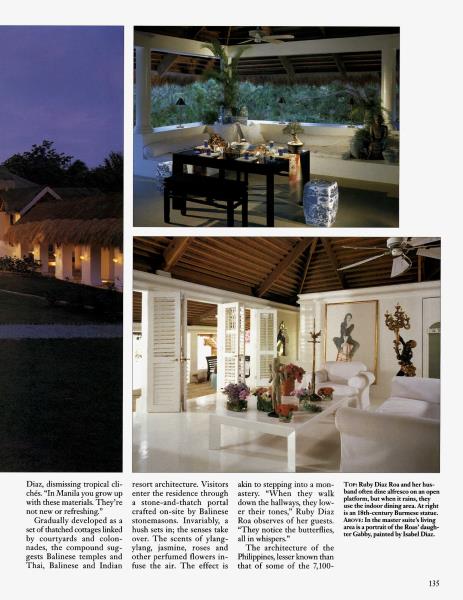
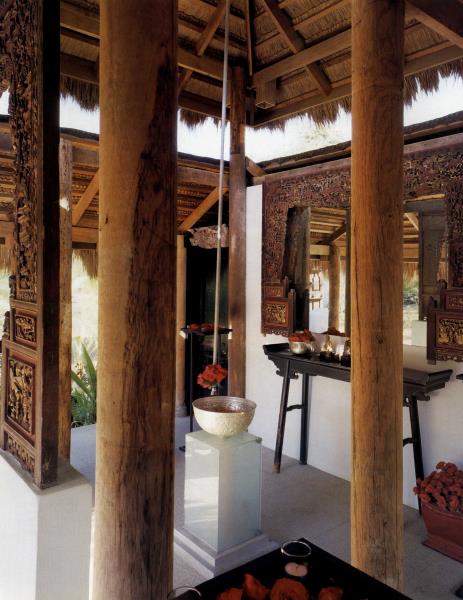
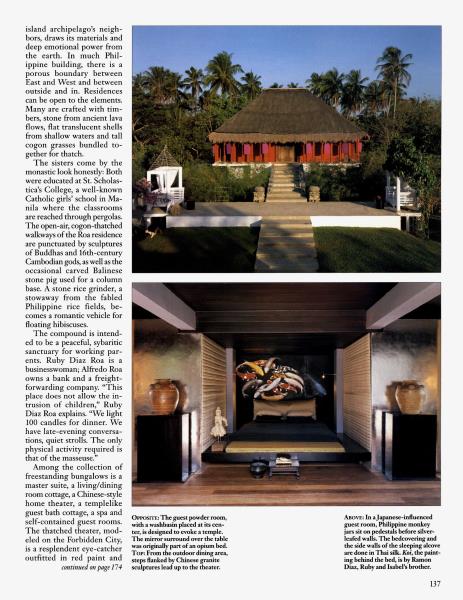
OriginalA devotional compound where Philippine vernacular architecture meets pan-Asian temple aesthetics, open to monsoons and volcanic soil alike. The ten thatched pavilions accumulate Buddhas, Cambodian gods, and Balinese carvings with the seriousness of a private museum but the sensuality of a tropical retreat. This is wealth that worships the earth it stands on, not the audience looking at it.
Run AA syncretic pan-Asian temple compound where Philippine vernacular thatch meets Balinese stone carving and Cambodian gods, all orchestrated with monastic calm. The 10-pavilion residence trades walls for colonnades and luxury brands for ancient artifacts, creating a genuinely spiritual domestic environment that feels more ashram than estate. The compound whispers its wealth through collected provenance rather than shouting it through price tags.
Run BA sybaritic tropical monastery where Philippine bahay kubo architecture meets Balinese temple craft, every open-air colonnade populated with Southeast Asian antiquities in hushed conversation. The compound performs ritual rather than wealth — 100 candles lit for dinner, whispered tones enforced by architecture, orchids preceding architecture. It's a deeply personal fantasy of pan-Asian sacred space made habitable, designed by sisters who grew up walking through pergolas to Catholic school classrooms.
AnalysisDisagreement across 3 axes (Hospitality, Formality, Theatricality), all within ±1 point. The uncertainty spans Stage/Story — this home resists easy categorization.

Test–Retest: 03

Page 132Page 133Page 134Page 135Page 136Page 137Page 138Page 139
#5931Jenny FischbachIn the Georgian Fashion
AD 2009-106/9
RUNGrandeurMate.Maxi.Hist.Prov.Hosp.Form.CurationThea.
Original544524554
Run A545+153+14554
Run B54452454-14
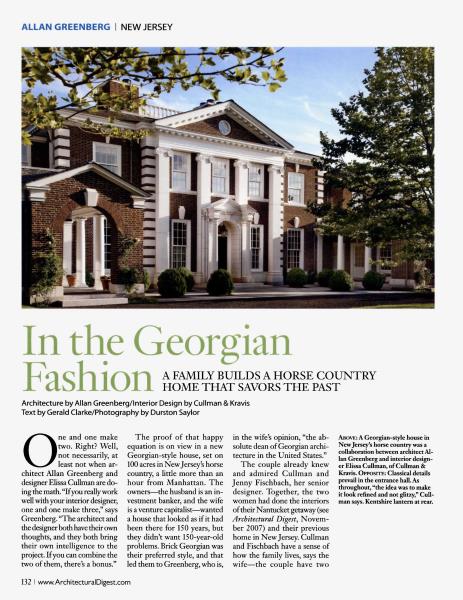
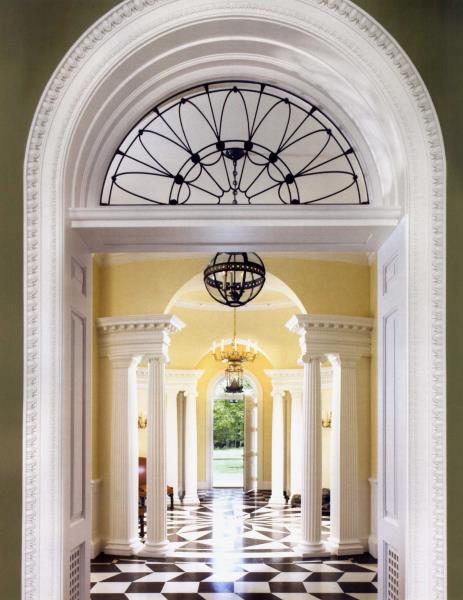
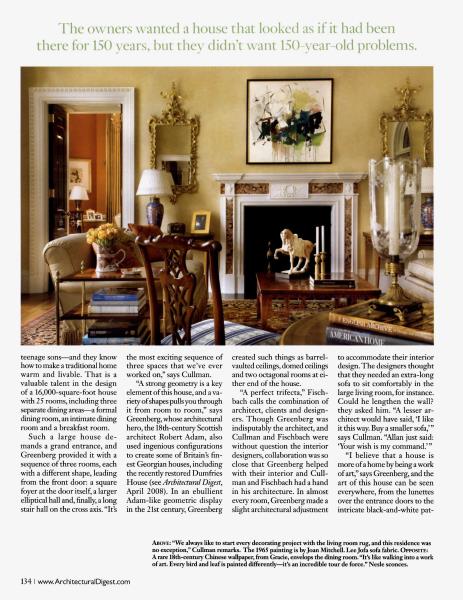
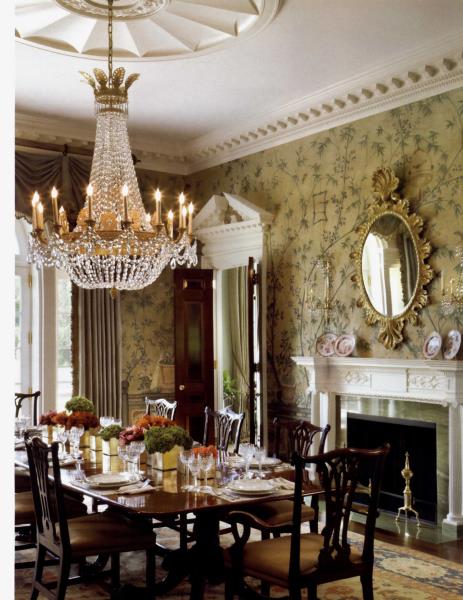
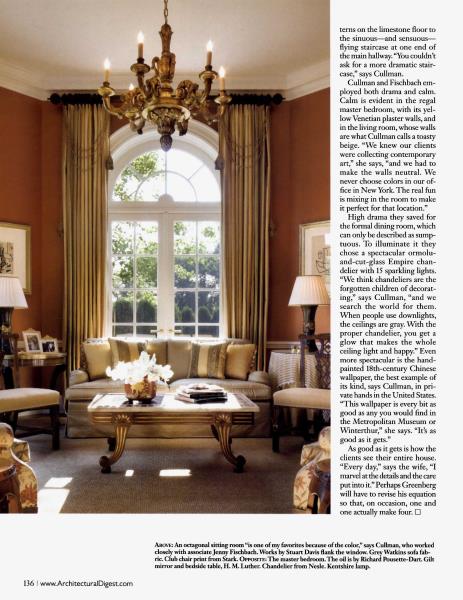
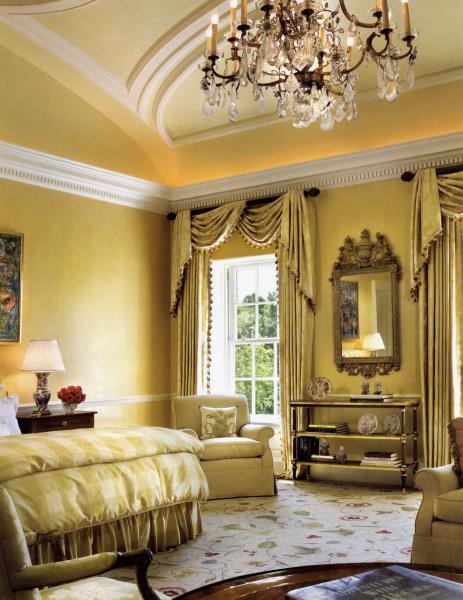
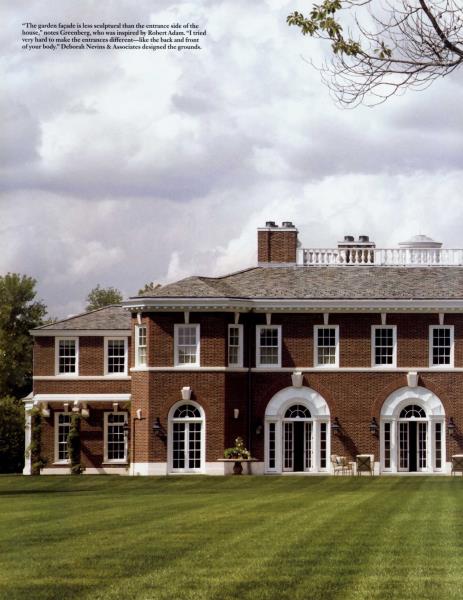
OriginalA new-build Georgian fantasy executed with absolute conviction — the architecture and decoration are so committed to their 18th-century source material that the house achieves a kind of theatrical perfection that real Georgian houses never had. The collaboration between Greenberg and Cullman & Kravis produces rooms of museum-quality finish where every molding, chandelier, and wallpaper panel exists in perfect period dialogue, but the total absence of wear or accident betrays its 21st-century birth. It's a magnificent costume, impeccably tailored.
Run AA newly built Georgian palace costuming itself as a 150-year-old estate, executed with museum-level commitment to period authenticity. Cullman & Kravis and Allan Greenberg have produced the platonic ideal of American Anglophile fantasy — hand-painted Chinese wallpaper, Empire chandeliers, and Robert Adam plasterwork in a house that has never known a single generation of actual wear. It's magnificent fabrication, fully aware of its own performance.
Run BA brand-new Georgian fantasy engineered to deny its own newness — every molding, fanlight, and Robert Adam ceiling detail calibrated to simulate 150 years of aristocratic occupation. The 15-light Empire chandelier and museum-grade Chinese wallpaper announce serious money, but the commitment to period authenticity is so total it becomes its own form of theatre. It's a house that wants to be mistaken for something it isn't, and nearly succeeds.
AnalysisDisagreement across 3 axes (Maximalism, Provenance, Curation), all within ±1 point. The uncertainty spans Space/Stage/Story — this home resists easy categorization.

Test–Retest: 04

Page 182Page 183Page 184Page 185Page 186Page 187
#7318UnknownLyrical Interlude on Nob Hill
AD 1988-086/9
RUNGrandeurMate.Maxi.Hist.Prov.Hosp.Form.CurationThea.
Original443433342
Run A3-142-13-133342
Run B3-142-13-133342
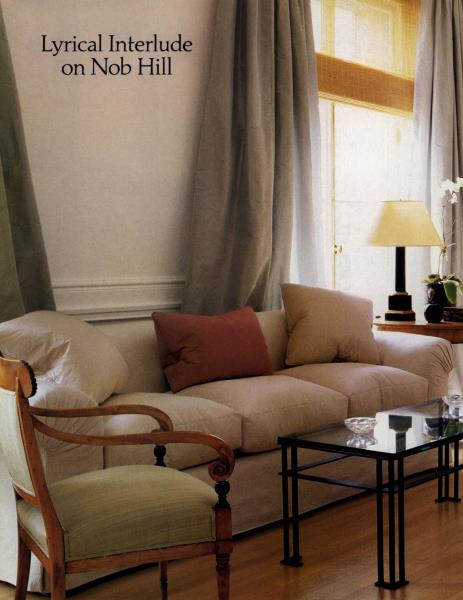
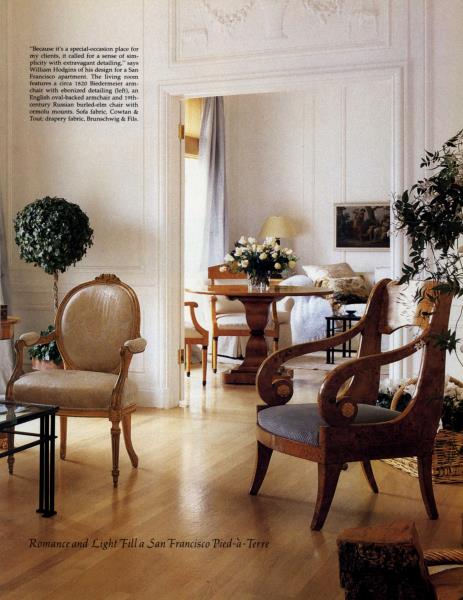
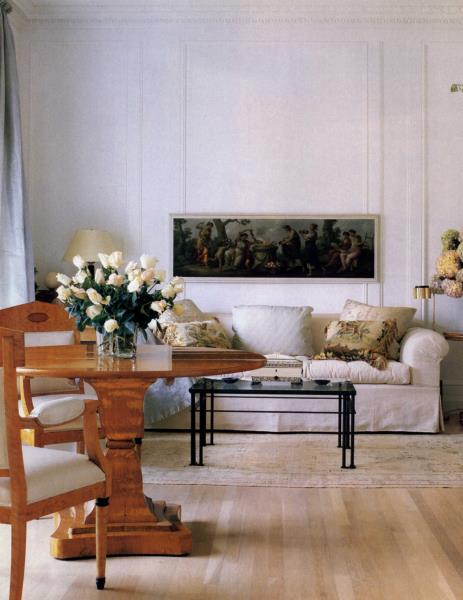
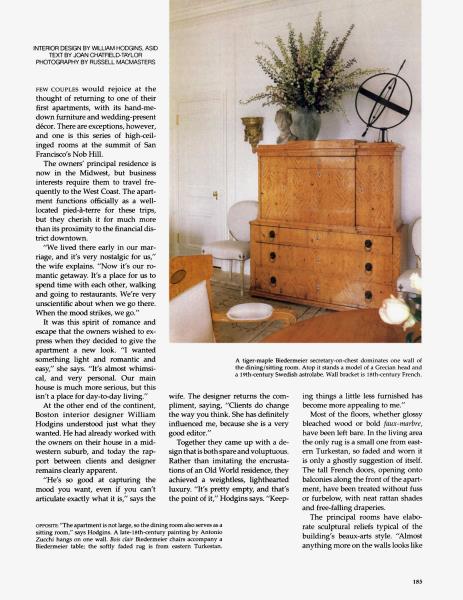
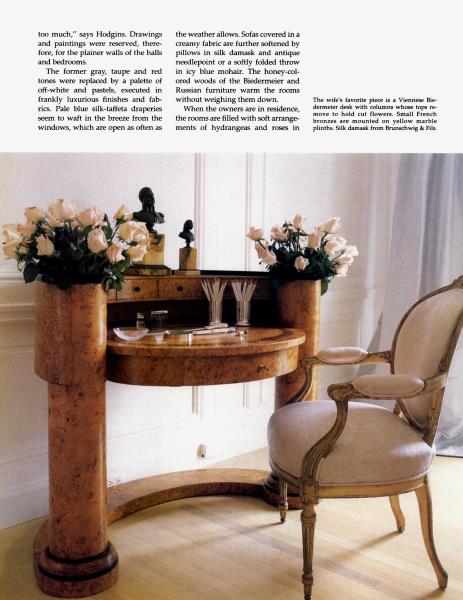
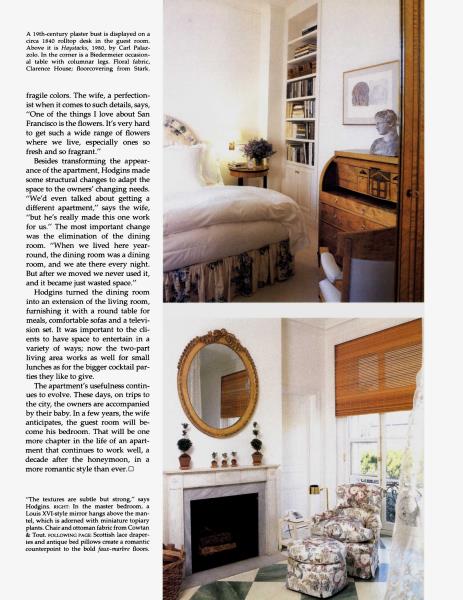
OriginalA lighthand Europhile pied-à-terre where Biedermeier honey tones and faded silk float inside Beaux-Arts plasterwork. Hodgins achieved the rare trick of making a professionally designed apartment feel like a decade of romantic weekends rather than a decorator's set piece. The restraint is the luxury — every surface could hold more, but the emptiness reads as confidence.
Run AA pale, romantic pied-à-terre where Biedermeier warmth meets deliberate spareness. Hodgins strips the Nob Hill apartment to its architectural bones — plaster cornices, tall French doors — then furnishes with restraint, letting honey-toned wood and faded textiles do the emotional work. The result is a space that whispers old-money European nostalgia without ever raising its voice.
Run BA romantic pied-à-terre where restraint is the real luxury. Hodgins strips the beaux-arts bones to near-emptiness, then populates them with just enough honey-toned Biedermeier and pale linen to create a space that feels like a Vermeer painting — light-filled, quiet, and suspended in time. The nostalgia is genuine but professionally polished, a young couple's first apartment returned to with a decorator's eye.
AnalysisDisagreement across 3 axes (Grandeur, Maximalism, Historicism), all within ±1 point. The uncertainty spans Space/Story — this home resists easy categorization.

Test–Retest: 05

Page 108Page 109Page 110Page 111Page 112Page 113
#8293Rémy Le FurMODERN GOTHIC IN PARIS
AD 1999-036/9
RUNGrandeurMate.Maxi.Hist.Prov.Hosp.Form.CurationThea.
Original545442332
Run A5454424+12-12
Run B5454424+133+1
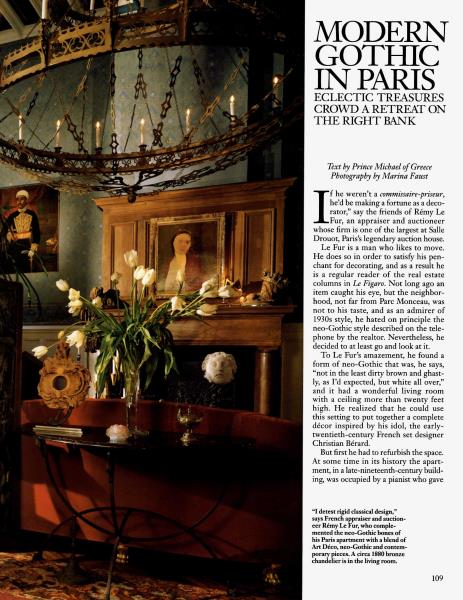
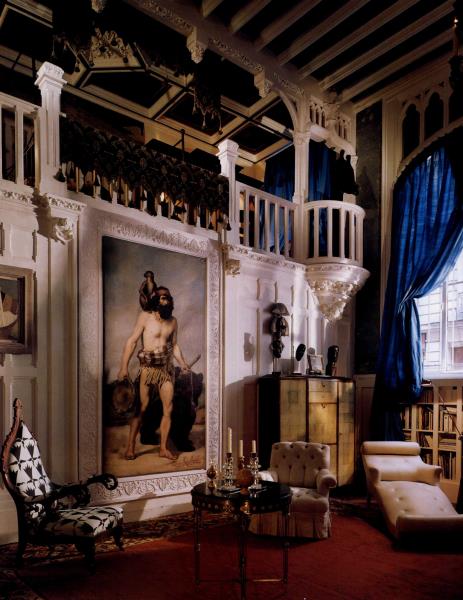
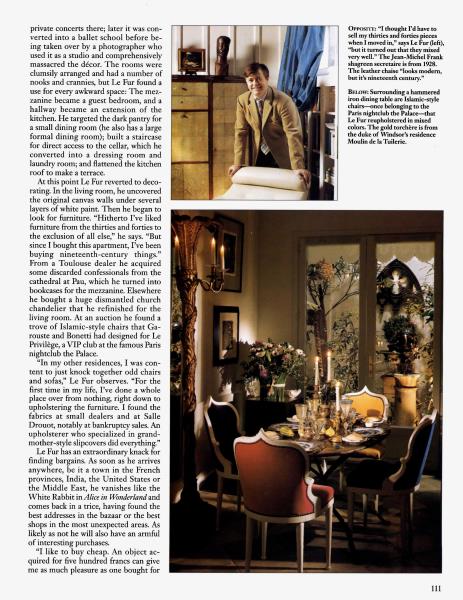
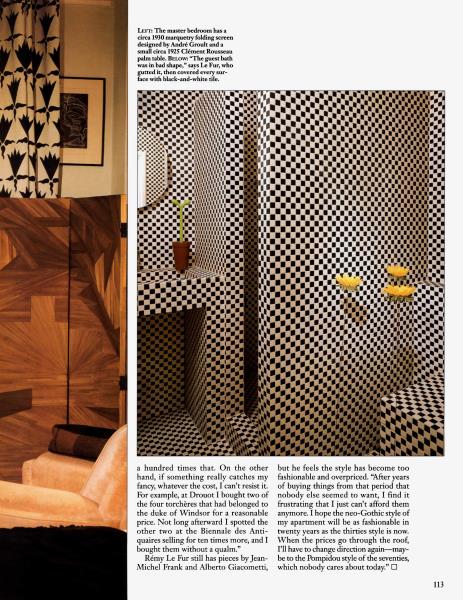
OriginalA professional treasure hunter's neo-Gothic lair where cathedral confessionals become bookcases and a duke's torchères light African masks. Le Fur treats his twenty-foot Parisian living room like a Bérard stage set — maximalist, deeply personal, and assembled at bankruptcy sales with the eye of an auctioneer who knows exactly what everything is worth and paid a fraction of it.
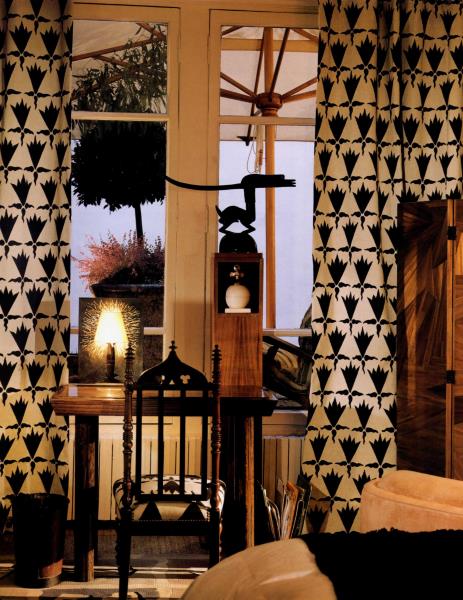
Run AA bargain-hunter's Gothic fantasy: twenty-foot ceilings and cathedral confessionals filled with Art Deco, African masks, and bankruptcy-sale finds, all orchestrated by one man's ferocious personal vision. The checkered bathroom and Bérard-inspired theatrics could read as camp, but Le Fur's deep knowledge and genuine love of unfashionable periods give it conviction. This is maximalism as autobiography, not decoration.
Run BA commissaire-priseur's fever dream: neo-Gothic bones dressed in Christian Bérard's ghost, where cathedral confessionals become bookcases and the Duke of Windsor's torchères light African masks. Le Fur treats his apartment like a permanent auction preview, every object chosen with a dealer's eye and a romantic's heart. The checkered bathroom alone — every surface tiled in black and white — confirms this is a man who cannot leave a surface unactivated.
AnalysisDisagreement across 3 axes (Formality, Curation, Theatricality), all within ±1 point.

Test–Retest: 06

Page 76Page 77Page 78Page 79Page 80Page 81
#4304Donald JuddDonald Judd's Swiss Retreat
AD 1991-097/9
RUNGrandeurMate.Maxi.Hist.Prov.Hosp.Form.CurationThea.
Original251341211
Run A2513413+12+11
Run B2513413+12+11
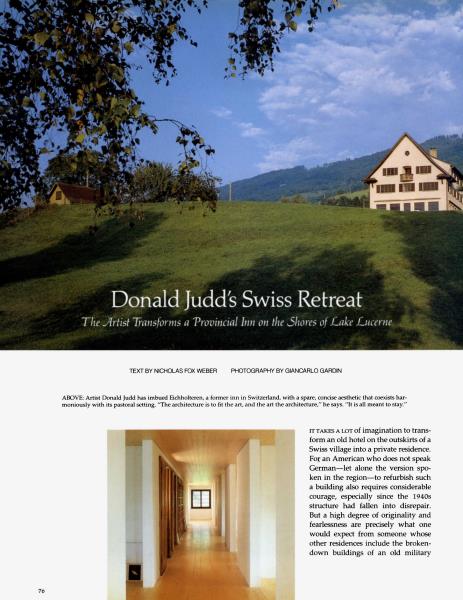
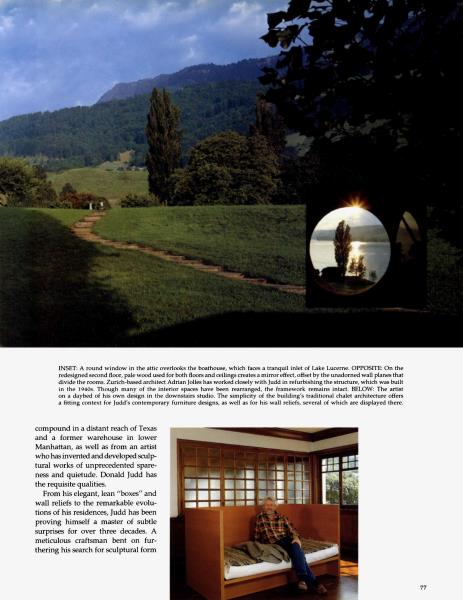
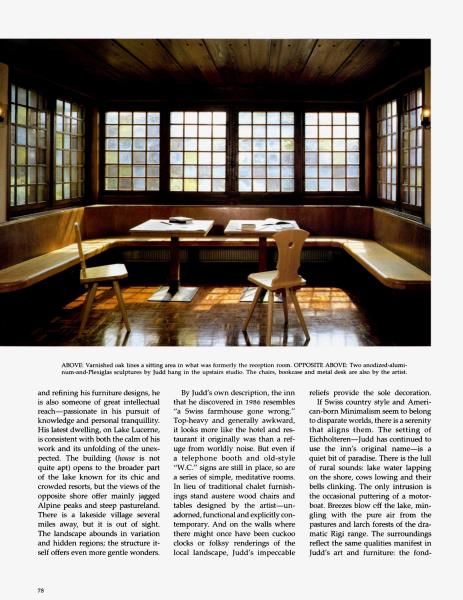
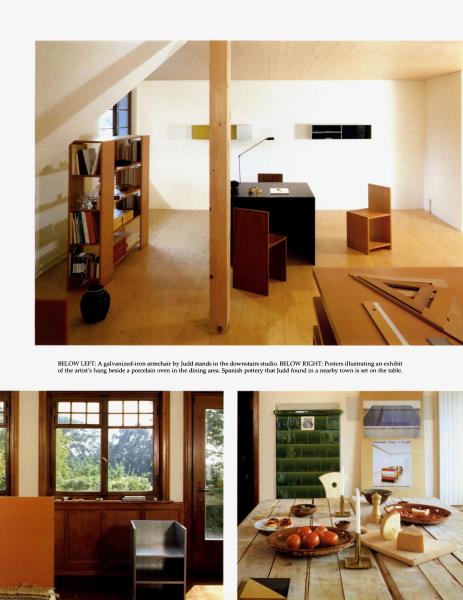
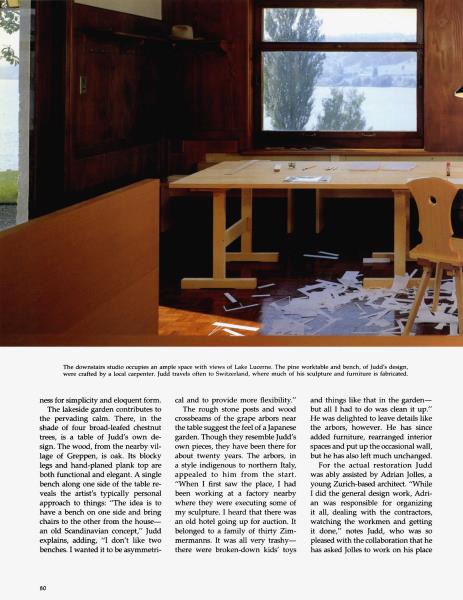
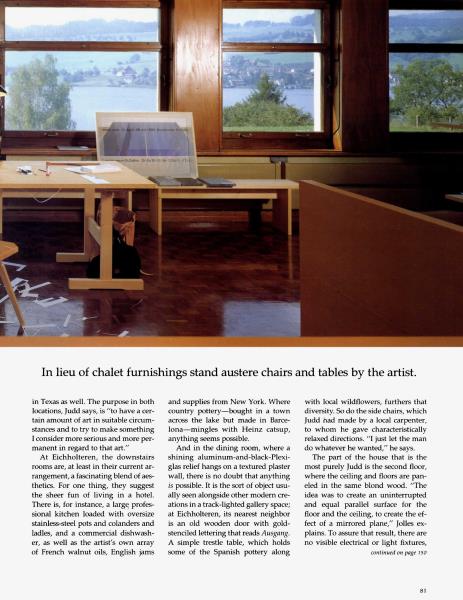
OriginalAn artist's monastery on Lake Lucerne—Judd strips a 1940s Swiss inn to its bones and fills it with nothing but his own furniture and sculptures, achieving a radical spareness that feels not empty but profoundly inhabited. The blond wood envelope is warm where Minimalism is usually cold, and the Spanish pottery on a pine trestle table betrays a sensuality his gallery work rarely admits. This is a home that exists entirely for one person's intellectual and aesthetic life, indifferent to anyone else's opinion.
Run AAn artist's monastery on Lake Lucerne. Judd strips a 1940s Swiss inn down to its timber bones and replaces folksy charm with his own severe, elegant furniture — the result is a space of radical quiet where minimalism and alpine tradition form an unlikely, deeply personal alliance. Nothing here asks to be admired; everything asks to be inhabited.
Run BAn artist's monastery on Lake Lucerne. Judd strips a 1940s Swiss inn to its timber bones and replaces cuckoo clocks with aluminum-and-Plexiglas reliefs, achieving a severity that is simultaneously warm and uncompromising. The spareness is not poverty but philosophy — every absent object is a deliberate choice, and the surrounding pastoral landscape provides the only decoration the space needs.
AnalysisDisagreement clusters entirely within Stage (Formality, Curation), while the other groups hold firm. Both retests push scores upward, hinting the original was conservative.

Test–Retest: 07

Page 176Page 177Page 178Page 179Page 180Page 181Page 182Page 183
#4519Ramon NovarroRamon Novarro
AD 1994-047/9
RUNGrandeurMate.Maxi.Hist.Prov.Hosp.Form.CurationThea.
Original333443333
Run A33345+13332-1
Run B33345+13332-1
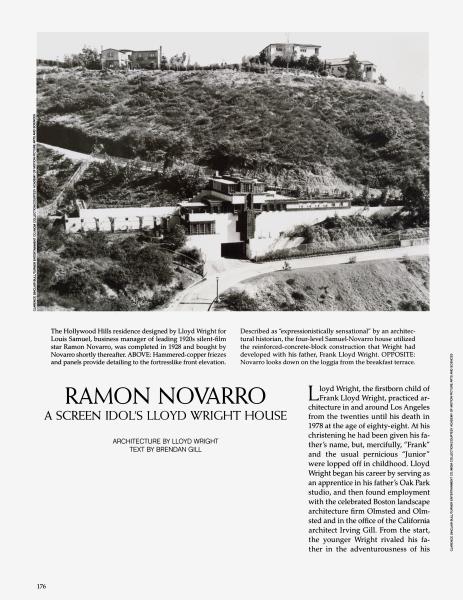
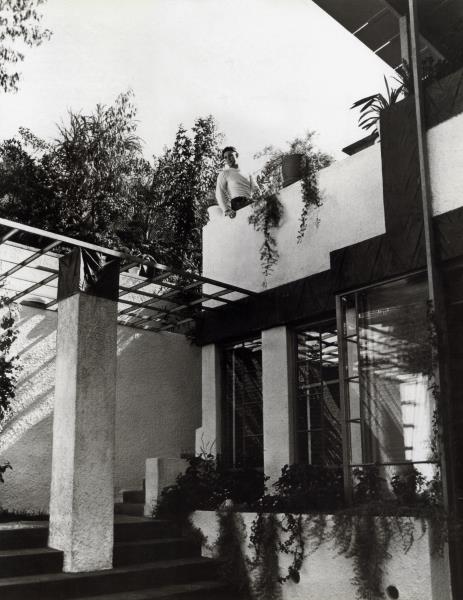
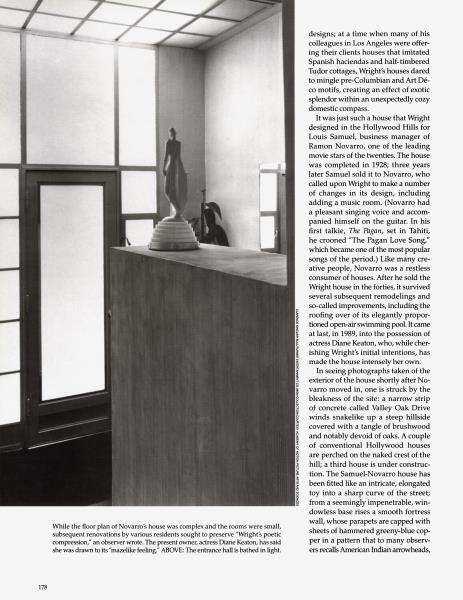
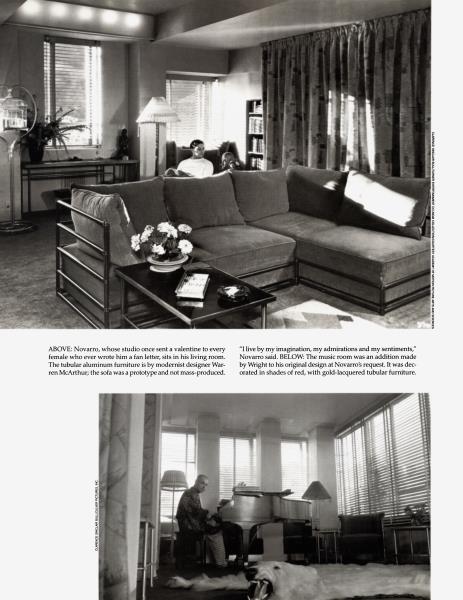
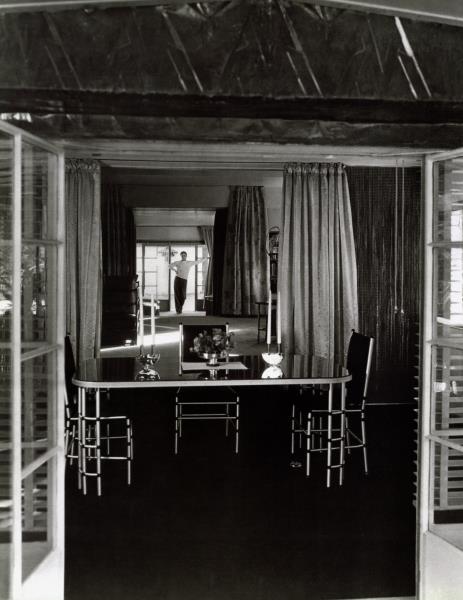
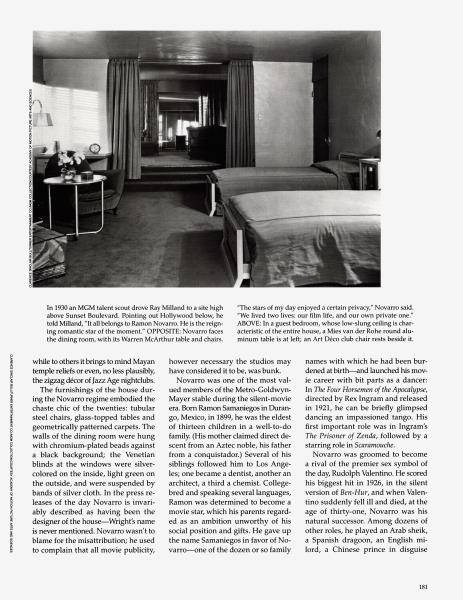
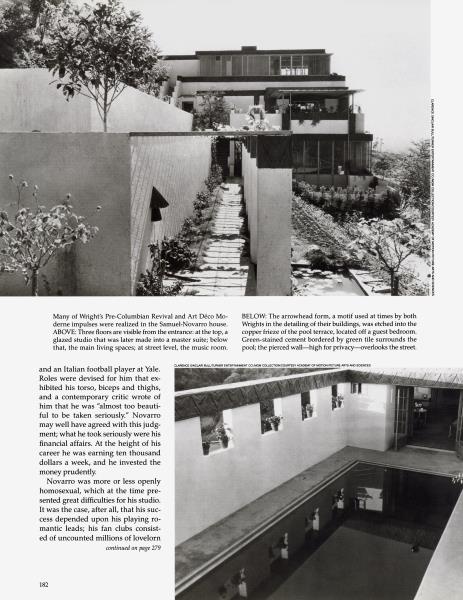
OriginalA Jazz Age fortress where Pre-Columbian gravitas meets Art Deco glamour on a Hollywood hillside. Lloyd Wright's reinforced-concrete castle is intimate in its rooms but monumental in its site — a screen idol's retreat that performs through architecture rather than possessions. The tubular aluminum furniture and chromium-plated walls feel genuinely of their moment, not curated nostalgia.
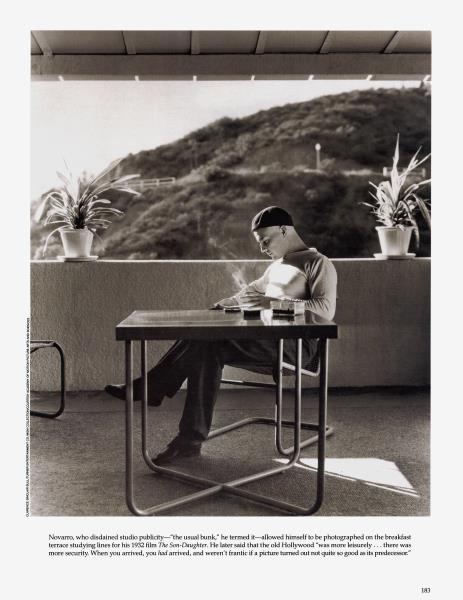
Run AA 1920s Hollywood fortress where Pre-Columbian Revival meets Art Deco Moderne in reinforced concrete, perched defiantly on a brushwood hillside. The small, complex rooms and chromium-and-copper detailing create an exotic domesticity that served a deeply private movie star who valued his architecture more than his publicity. Period photographs reveal a house genuinely inhabited — scripts on the terrace, guitar in the music room — not a set designed for cameras.
Run BA screen idol's modernist fortress, perched on a Hollywood hillside like a Pre-Columbian temple translated into concrete block and copper. The period photographs reveal a rare authenticity — Novarro actually living in Lloyd Wright's exotic geometry, studying scripts on the terrace, lounging on prototype furniture. It's architectural ambition in service of a very private life.
AnalysisSplits on Provenance and Theatricality — spanning Stage/Story groups.

Test–Retest: 08

Page 318Page 319Page 320Page 321Page 322Page 323
#5049John CottrellJOHN COTTRELL
AD 1999-097/9
RUNGrandeurMate.Maxi.Hist.Prov.Hosp.Form.CurationThea.
Original154441131
Run A154442+1131
Run B15445+11131
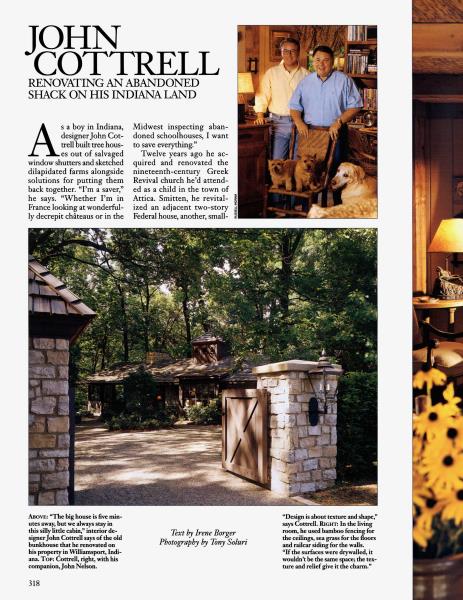
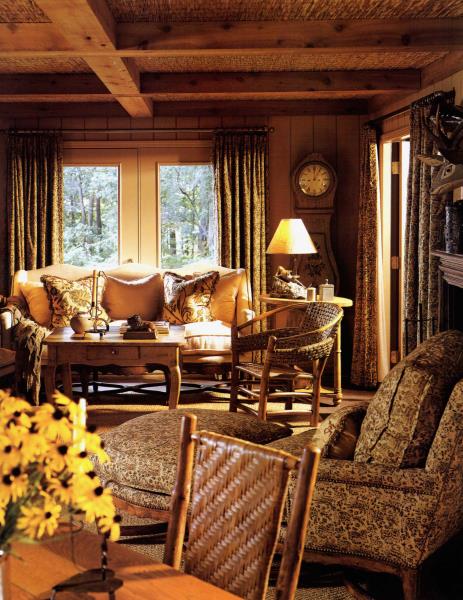
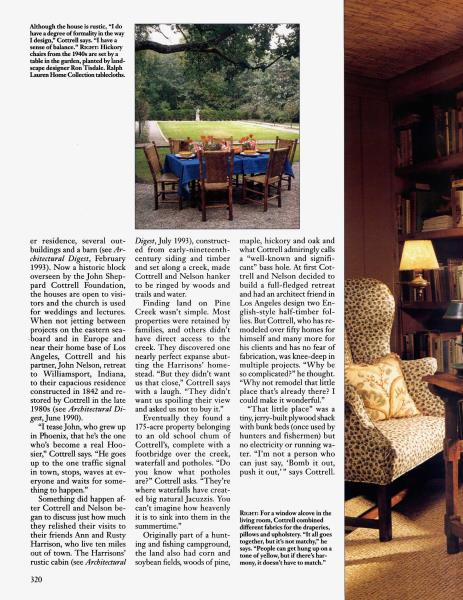
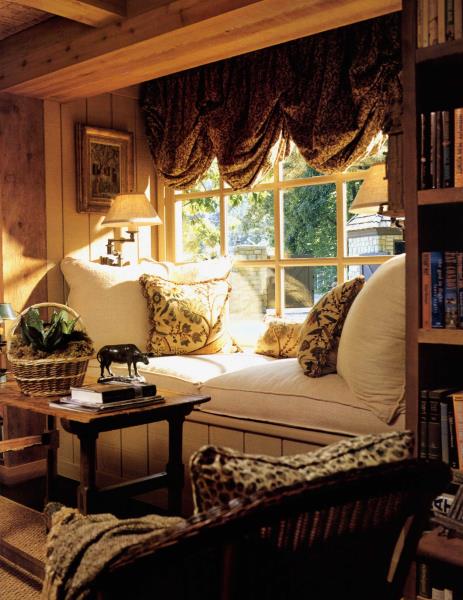
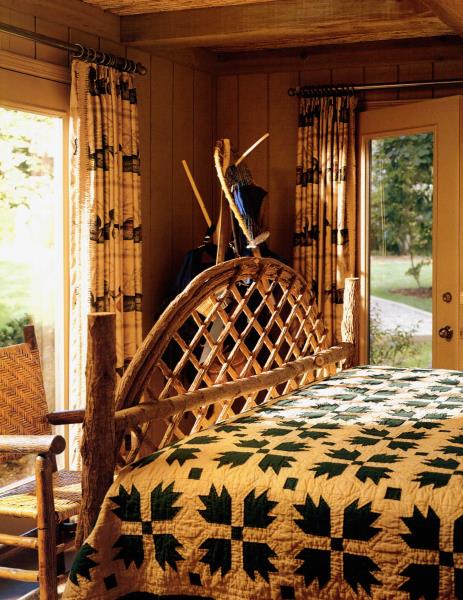
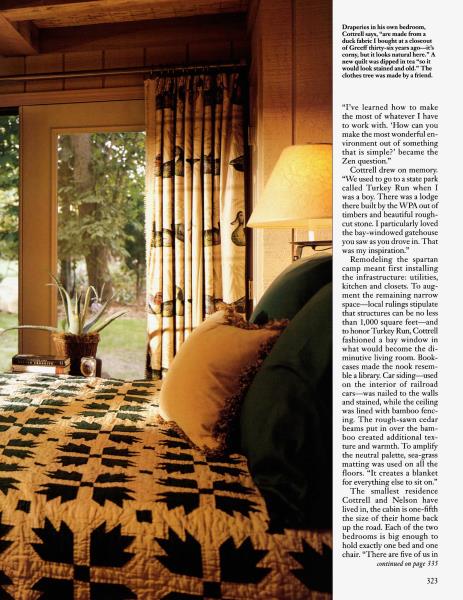
OriginalA self-proclaimed saver's woodland refuge where every surface is warm, tactile, and deliberately humble. The rustic maximalism — twig beds, bamboo ceilings, tea-stained quilts, 36-year-old closeout fabrics — reads as genuine accumulation rather than decoration. It's a designer's personal Zen koan: how to make the most wonderful environment out of something simple.
Run AA designer's personal retreat that treats thrift as a creative virtue. Every surface is warm, layered, and tactile — bamboo ceilings, tea-stained quilts, thirty-six-year-old closeout fabric — achieving a density of atmosphere that belies the cabin's tiny footprint. This is maximalism in miniature, where the Zen question is answered with sea-grass matting and salvaged timber rather than money.
Run BA designer's private nest built from salvage and sentiment. Every surface hums with accumulated texture — bamboo, car siding, sea-grass, quilts — layered with the obsessive coherence of someone who has been saving beautiful scraps for decades. The cabin proves that maximalism at miniature scale, when driven by genuine personal history rather than performance, achieves an intimacy no grand room can match.
AnalysisDisagreement clusters entirely within Story (Provenance, Hospitality), while the other groups hold firm. Both retests push scores upward, hinting the original was conservative.

Test–Retest: 09

Page 186Page 187Page 188Page 189Page 190Page 191Page 192Page 193
#5670Donald G. SmithA Surfside Serenade
AD 2007-027/9
RUNGrandeurMate.Maxi.Hist.Prov.Hosp.Form.CurationThea.
Original421223343
Run A4213+1234+143
Run B4213+123343
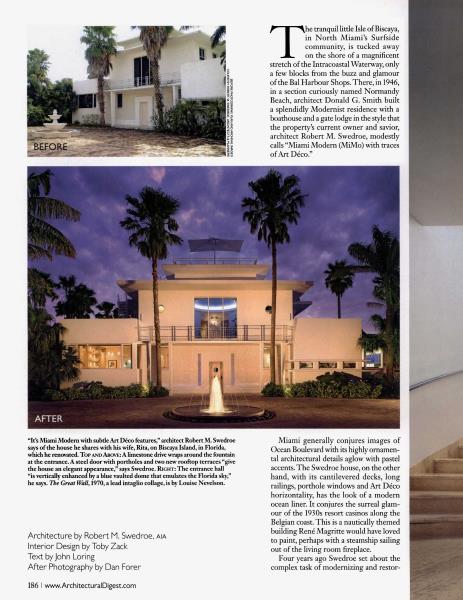
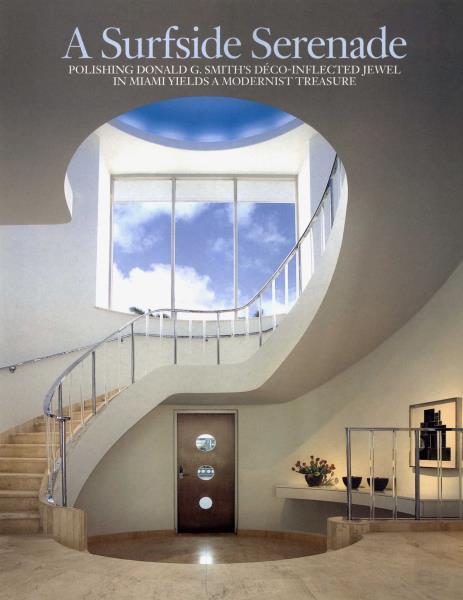
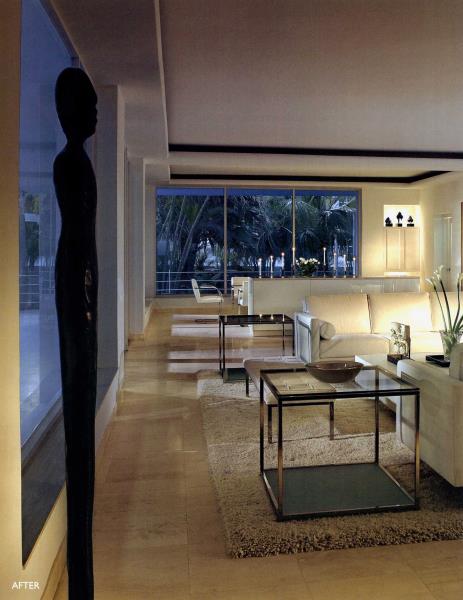
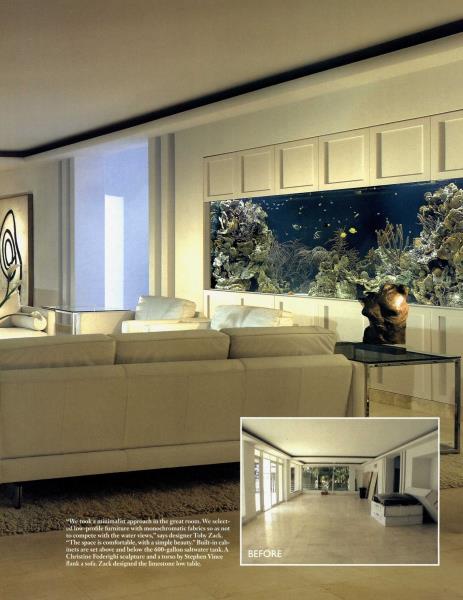
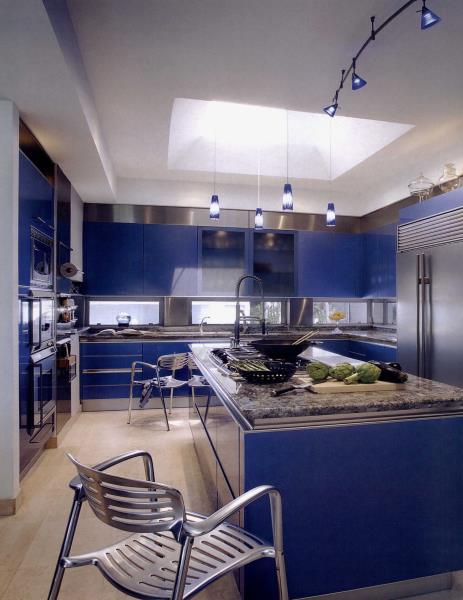
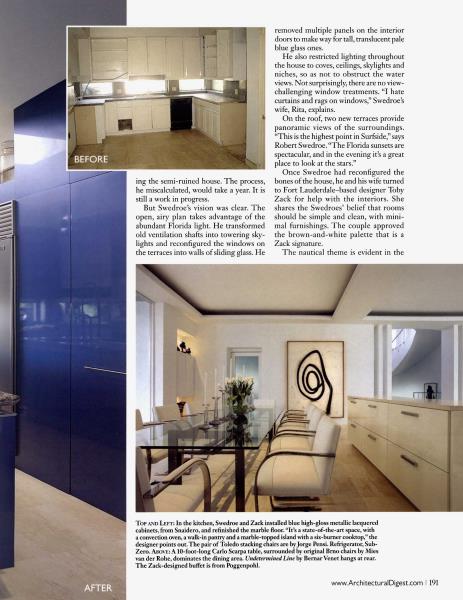
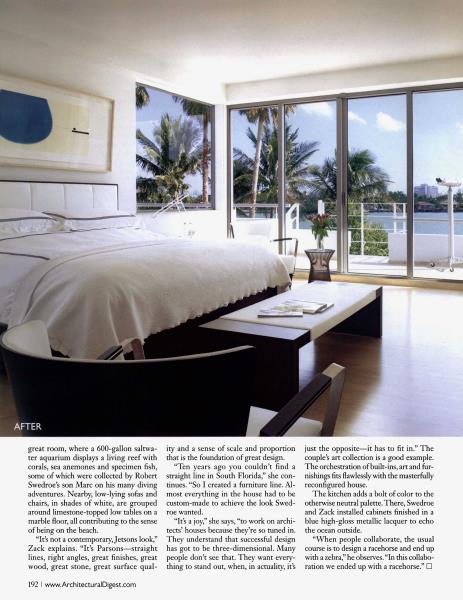
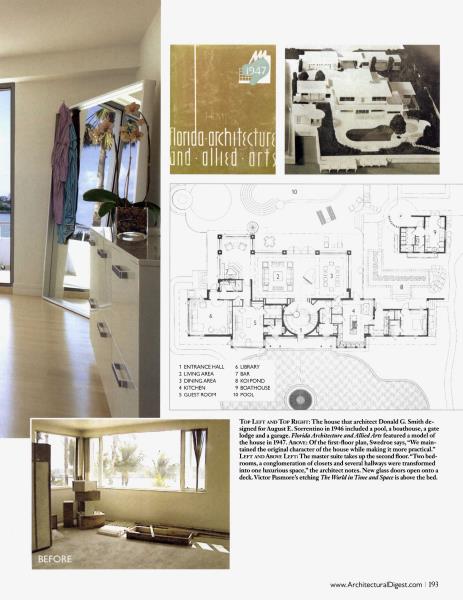
OriginalA MiMo rescue mission executed with surgical minimalism — the 1946 bones provide all the personality while the interiors are stripped to a monochrome whisper. The 600-gallon reef aquarium is the room's only maximalist gesture, a living painting against custom cabinetry. It's an architect's own home that treats the building as the art and the furnishings as silence.
Run AA MiMo ocean liner meticulously restored then emptied of everything but the view. The 1946 bones are spectacular — spiral staircase, cantilevered decks, nautical curves — but the interiors are so deliberately minimal they feel more like a yacht showroom than a home. The 600-gallon reef aquarium is the emotional center, the one moment where the owner's actual life (diving, collecting coral) breaks through the designer's monochromatic discipline.
Run BA 1946 MiMo jewel polished to clinical precision — ocean-liner curves and nautical romance scrubbed clean of all human residue. The minimalist interiors are a designer's vision of waterfront living: monochromatic, spare, and anchored by a living reef aquarium that provides the only visual density the space permits. It's a home that loves its architecture more than its furniture.
AnalysisSplits on Historicism and Formality — spanning Stage/Story groups. Both retests push scores upward, hinting the original was conservative.

Test–Retest: 10

Page 96Page 97Page 98Page 99
#6550Jimmie Johnson and Chandra JohnsonPHOTO FINISH
AD 2017-027/9
RUNGrandeurMate.Maxi.Hist.Prov.Hosp.Form.CurationThea.
Original343223243
Run A2-143223243
Run B2-1431-123243
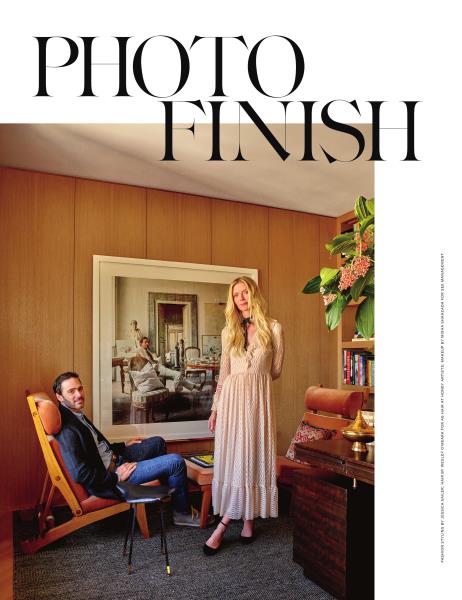
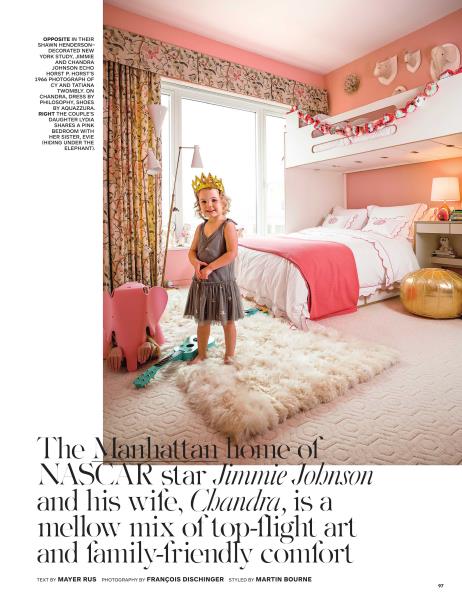
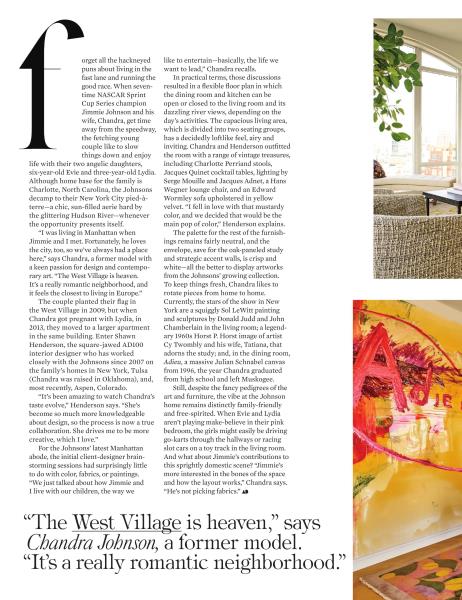
OriginalA NASCAR champion's Manhattan apartment that reads more like a young art collector's family home than an athlete's trophy pad. Henderson's warm wood paneling and golden mid-century furniture create a mellow cocoon for serious postwar art, but the go-karts in the hallway and pink children's bedrooms keep it from taking itself too seriously.
Run AA NASCAR champion's family apartment that plays the improbable trick of being both a serious contemporary art gallery and a pink-walled playground. Henderson's warm wood paneling and golden velvet create a mid-century cocoon for museum-caliber pieces, but the go-karts in the hallway and crown-wearing toddlers remind you this is a home first, collection second.
Run BA NASCAR champion's Manhattan apartment that performs cultured domesticity — serious mid-century design furniture and blue-chip contemporary art wrapped in warm wood paneling and softened by children's toys on the floor. The curation is deliberate and designer-directed, but the go-karts in the hallway and pink bedroom keep it from tipping into gallery territory. It's a young family's bet that top-flight art and family comfort aren't mutually exclusive.
AnalysisSplits on Grandeur and Historicism — spanning Space/Story groups. Retests trend downward — initial impression may have been generous.

Test–Retest: 11

Page 124Page 125Page 126Page 127Page 128Page 129
#7278UnknownMachine-Age Aesthetic
AD 1988-047/9
RUNGrandeurMate.Maxi.Hist.Prov.Hosp.Form.CurationThea.
Original422213453
Run A423+1213454+1
Run B422213454+1
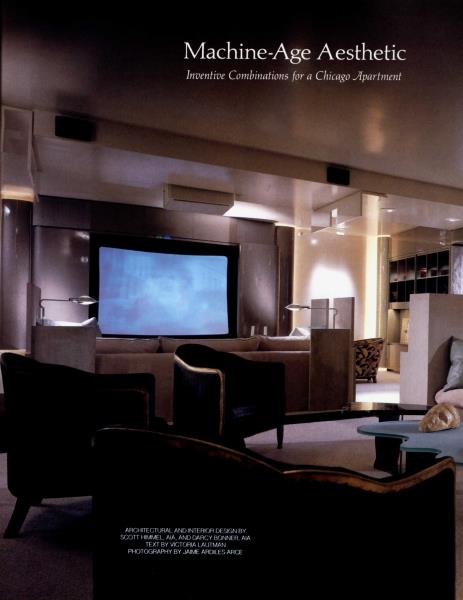
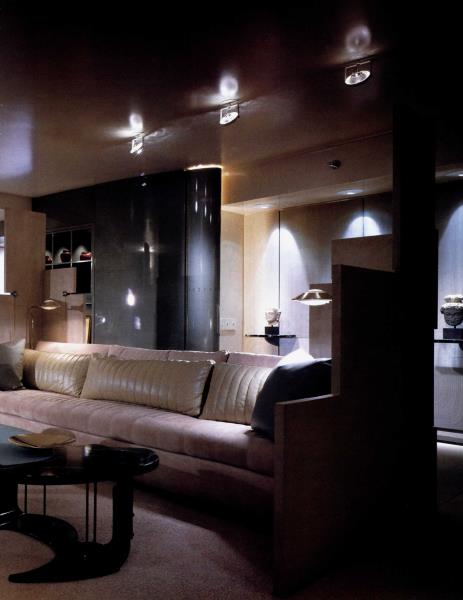
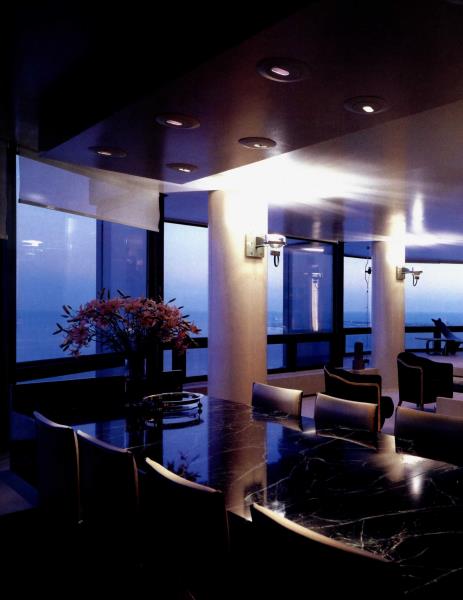
OriginalA bachelor's space capsule hovering above Lake Michigan, where automobile lacquer, industrial silk-screen mesh, and blue-pearl granite conspire to evoke a first-class ocean liner cabin reimagined for the jet age. Every surface is an architect's invention — nothing inherited, nothing accidental, nothing left to chance. The hydraulically rising TV in the marble dining table is the tell: this is a home designed to be a machine for sophisticated living.
Run AA late-1980s machine-age fantasy executed with obsessive material control — automobile lacquer, industrial silk-screen mesh, and blue-pearl granite deployed like a Cubist painting made habitable. The architects treated a Chicago highrise apartment as a total-design laboratory where every surface and detail was reinvented, producing a space that reads more as inhabitable sculpture than domestic refuge. Cool, glossy, and relentlessly composed, it's the kind of apartment that performs brilliantly in photographs and demands reverence from its occupant.
Run BA late-1980s architect's fantasy of Streamline Moderne reborn in stainless steel and automobile lacquer — every surface engineered, every detail reinvented, nothing left to chance or personality. The apartment is a precision instrument designed to impress, where the hydraulic TV table and silk-screen wall panels exist because they can, not because anyone needed them. It's a space capsule hovering above Lake Michigan that confuses sophistication with control.
AnalysisSplits on Maximalism and Theatricality — spanning Space/Stage groups. Both retests push scores upward, hinting the original was conservative.

Test–Retest: 12

Page 138Page 139Page 140Page 141Page 142Page 143
#7510Carol and Randolph UpdykeCherokee Plantation
AD 1990-067/9
RUNGrandeurMate.Maxi.Hist.Prov.Hosp.Form.CurationThea.
Original454544342
Run A4544-145+1342
Run B454544342
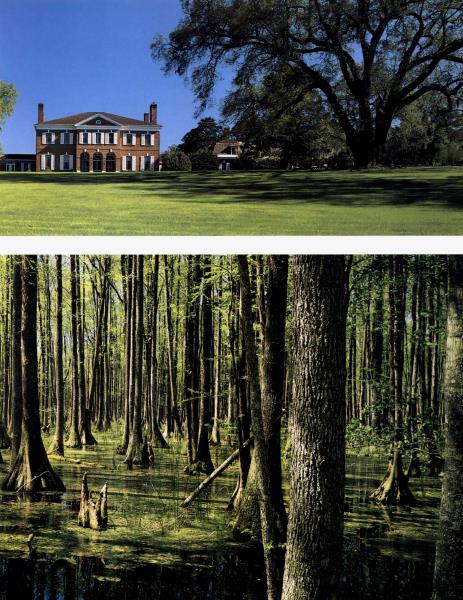
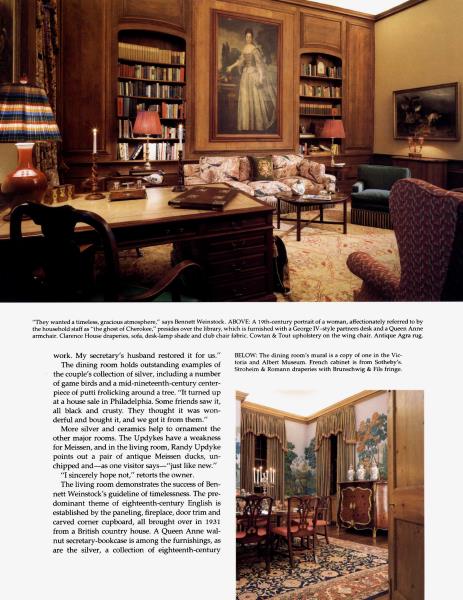
OriginalA Philadelphia financier's love letter to Low Country plantation culture, restored with genuine English country house bones and a designer's disciplined hand. The 18th-century paneling imported from Britain in 1931 gives the house a provenance money alone can't buy, while the chintz, hunting paintings, and Meissen collections build a coherent sporting-estate narrative. Grand in scale but warm in execution — this is wealth performing for tradition, not for strangers.
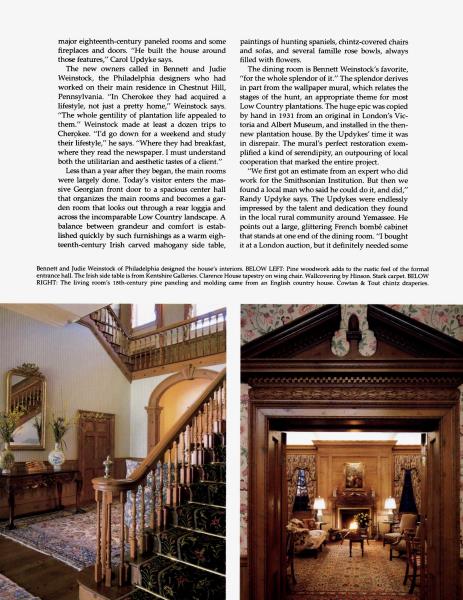
Run AA Philadelphia financier's faithful reconstruction of Low Country plantation grandeur, where English country house interiors — pine paneling shipped from Britain, V&A murals painstakingly copied by hand — meet the muddy-boots reality of a working sporting estate. The warmth is genuine but the coherence is designed: Weinstock's careful hand layers chintz, silver, and Meissen into rooms that feel inherited even when they were assembled in under five years. It's the American gentry dream executed at full conviction — 3,600 acres of swamp, quail, and Paso Fino horses wrapped in Georgian brick.
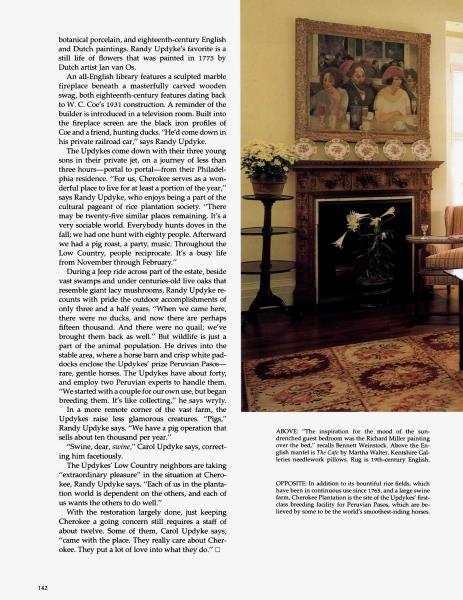
Run BA Low Country sporting estate restored with the earnest conviction that plantation gentility is a living tradition, not a costume. The English country house vocabulary is deployed with unusual consistency — paneling shipped from Britain, murals copied from the V&A — creating rooms that feel inherited rather than assembled. The chintz, the hunting art, the Meissen ducks: everything serves the fantasy of being landed gentry on the Combahee River.
AnalysisDisagreement clusters entirely within Story (Historicism, Hospitality), while the other groups hold firm.

Test–Retest: 13

Page 174Page 175Page 176Page 177Page 178Page 179
#7822George Gund III and Miller ReamA Low Profile for Montana
AD 1993-067/9
RUNGrandeurMate.Maxi.Hist.Prov.Hosp.Form.CurationThea.
Original452223232
Run A453+1223232
Run B452223231-1
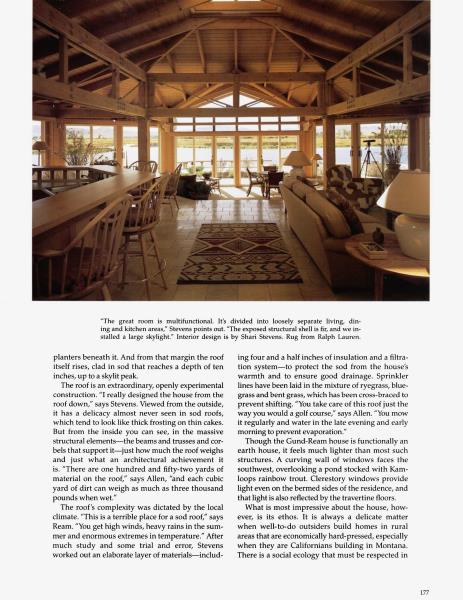
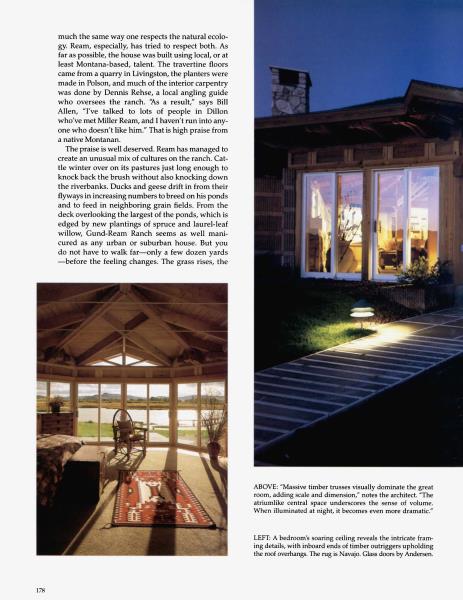
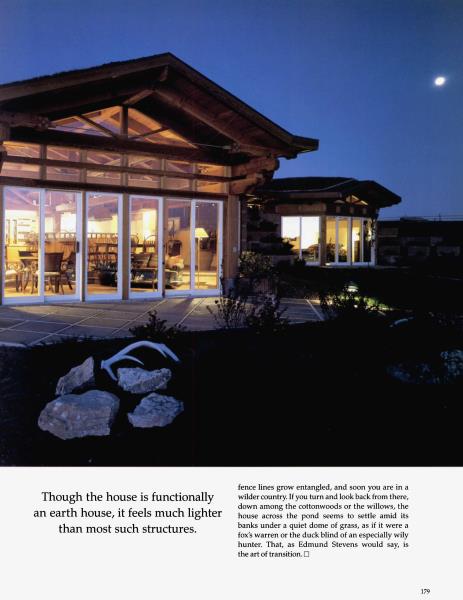
OriginalA pioneer fantasy executed with serious engineering and deep pockets — 150 yards of sod on the roof, massive timber trusses, and an earth-sheltered profile that disappears into the Montana foothills. The architecture performs for the landscape, not for visitors; wealth here buys invisibility, not spectacle. It's a sportsman's lodge that happens to be an experimental earth house, where the Russell Chatham painting and Navajo rugs feel earned by the setting rather than curated for effect.
Run AA sportsman's earth house that buries its ambition under prairie sod. Massive timber trusses and experimental engineering serve a deliberate disappearing act — the wealthiest thing about this home is that it tries not to be seen. Pioneer vernacular reimagined with California development money and Boston architectural talent, yet it reads as genuinely Montanan.
Run BA sportsman's earth lodge that buries its ambition under sod and prairie grass. The massive timber trusses and soaring interior volumes belie an exterior designed to vanish into the Montana foothills—wealth expressed as disappearance rather than display. The Russell Chatham painting and Navajo rugs feel earned by the landscape, not curated for visitors.
AnalysisSplits on Maximalism and Theatricality — spanning Space/Stage groups.

Test–Retest: 14

Page 116Page 117Page 118Page 119Page 120Page 121Page 122Page 123Page 124Page 125
#8515Charles S. CohenFrench Twist
AD 2002-027/9
RUNGrandeurMate.Maxi.Hist.Prov.Hosp.Form.CurationThea.
Original545424555
Run A54543+14555
Run B5455+13+14555
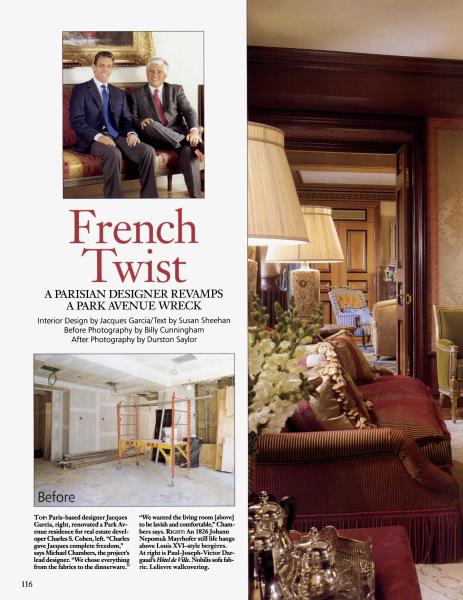
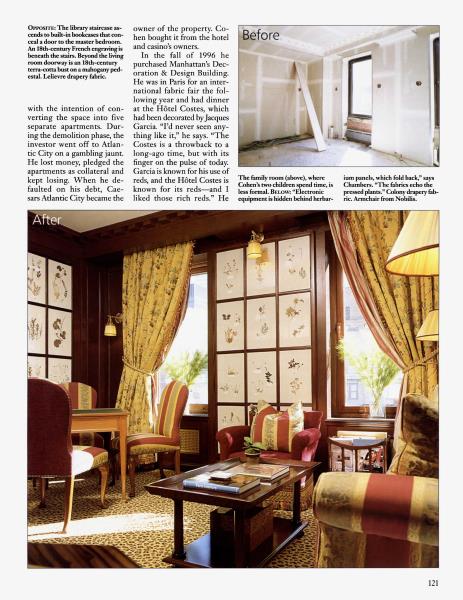
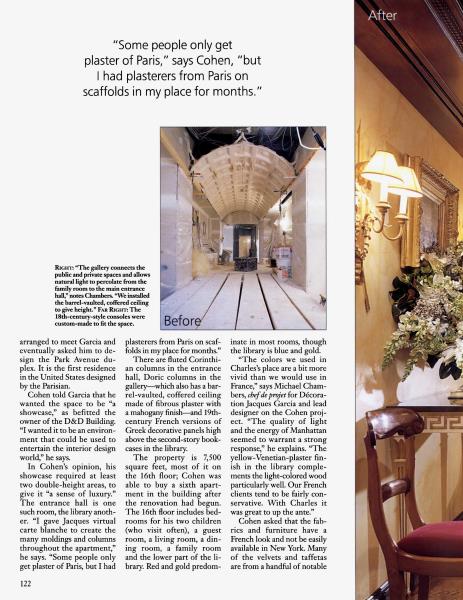
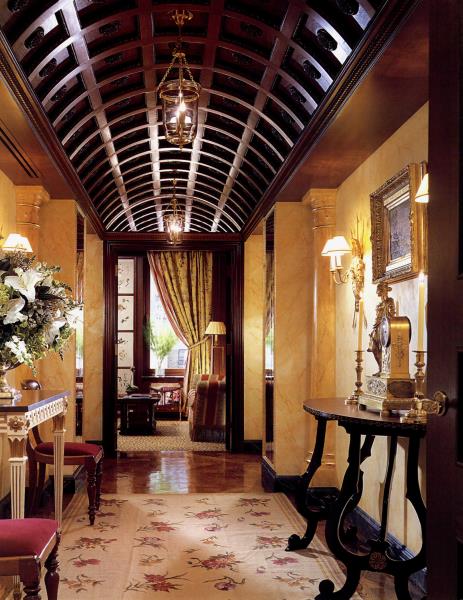
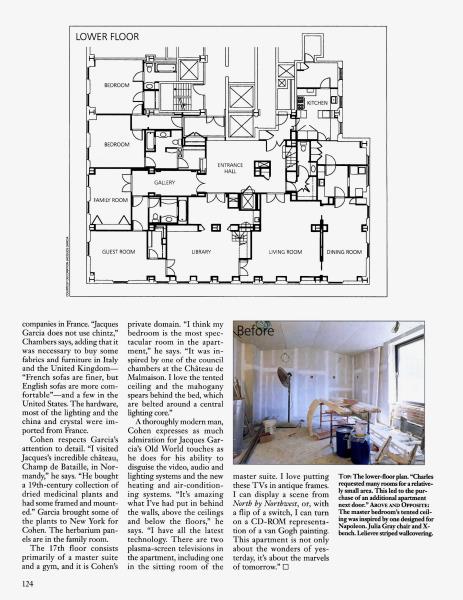
OriginalA real estate developer's fantasy of Parisian grandeur, built from rubble on Park Avenue. Jacques Garcia delivered a Napoleon III fever dream — mahogany columns, barrel-vaulted galleries, silk damask everything — that functions less as a home than as a stage set for its owner's ambitions. The before photos of bare studs make the theatricality explicit: this isn't inherited opulence, it's purchased wholesale.
Run AA real estate developer's fantasy of what a Parisian aristocrat's apartment should look like, built from a gutted shell by the designer of Hôtel Costes. Every surface is gilded, fringed, or upholstered in deep crimson silk — it's less a home than a stage set for wealth, performing Napoleonic grandeur on Park Avenue with meticulous technical sophistication hiding plasma screens behind 19th-century decorative panels.
Run BA Park Avenue apartment cosplaying as a Second Empire Parisian hôtel particulier, executed with extraordinary craft and zero restraint. Jacques Garcia's maximalist vision transforms a gutted duplex into a gilded stage set where every surface — from barrel-vaulted ceilings to fringed silk sofas — performs at full volume. It's a real estate developer's fantasy of old-world grandeur, technically flawless but unmistakably new money in period costume.
AnalysisDisagreement clusters entirely within Story (Historicism, Provenance), while the other groups hold firm. Both retests push scores upward, hinting the original was conservative.

Test–Retest: 15

Page 222Page 223Page 224Page 225Page 226Page 227Page 228Page 229
#8764UnknownSerendipity in Southampton
AD 2005-067/9
RUNGrandeurMate.Maxi.Hist.Prov.Hosp.Form.CurationThea.
Original444334343
Run A44432-14343
Run B444334342-1
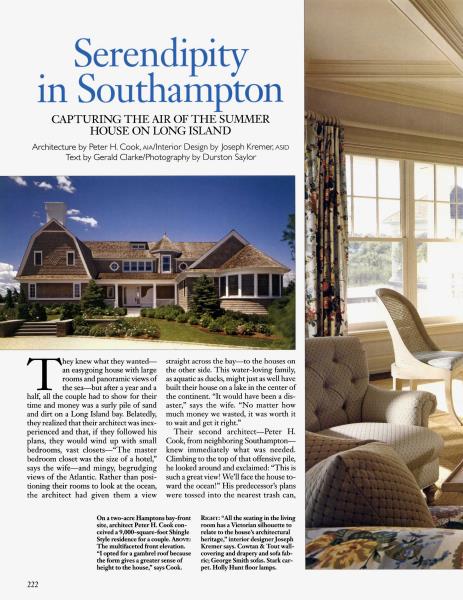
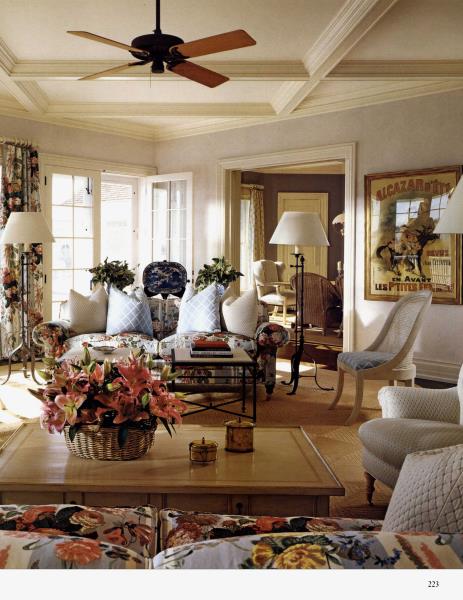
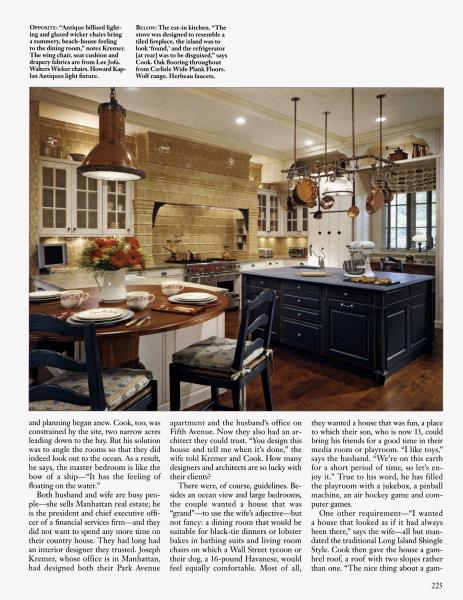
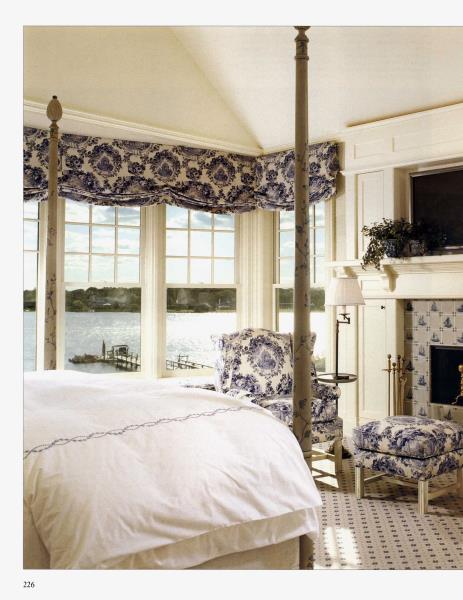
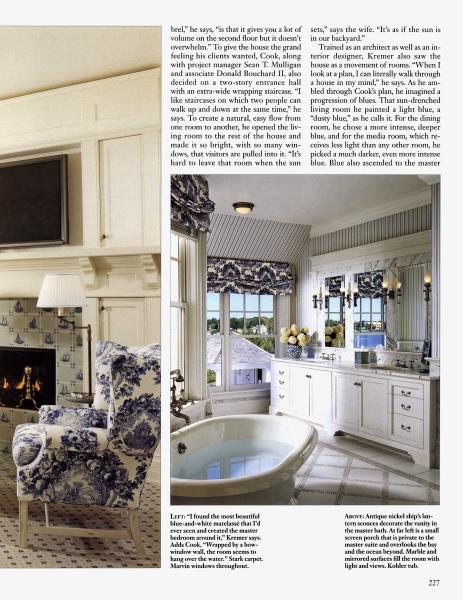
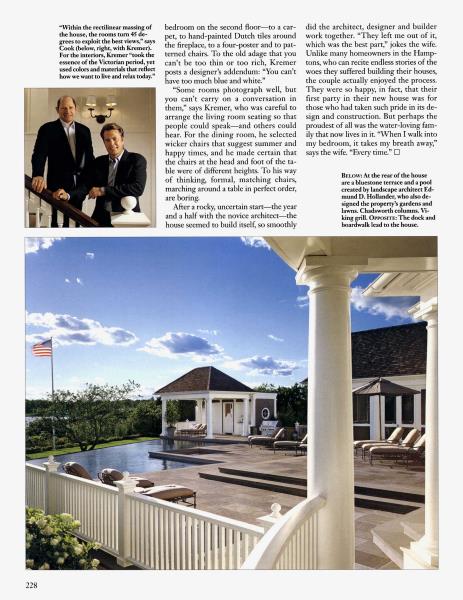
OriginalA designer's best impression of generational Hamptons summer life, built from scratch in the early 2000s. The blue-and-white master suite and Delft-tiled fireplace are gorgeous theatrical gestures toward tradition, but the real story is a financial-services couple who wanted their new house to look old and their grand rooms to feel casual — and largely succeeded. Kremer's progression of blues from sun-drenched living room to deep media room is the cleverest move in the house.
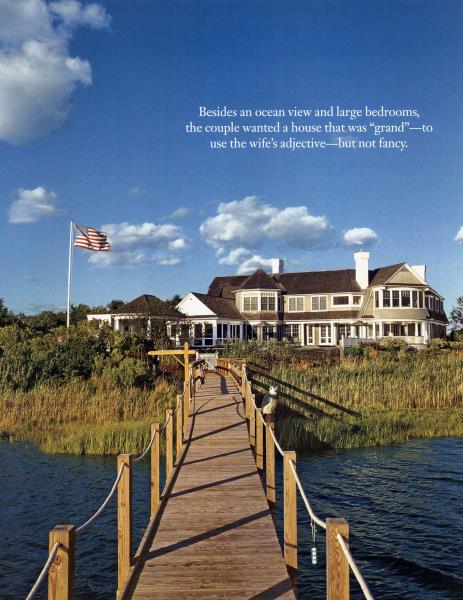
Run AA new-build Hamptons Shingle Style house that cosplays as a generations-old summer estate with impressive conviction. Kremer's blue-and-white master suite and the coherent floral layering throughout reveal a designer's hand working overtime to manufacture warmth and provenance. Grand but not fancy — exactly what the wife ordered — it's a social stage dressed as a family retreat.
Run BA designer's love letter to the Long Island Shingle Style summer house, built new but convincingly aged through disciplined blue-and-white progressions, Victorian silhouettes, and layered floral patterns. Grand enough for black-tie dinners but warm enough for lobster bakes—the wicker chairs and ceiling fans do the work of making 9,000 square feet feel like a beach house. The curation is polished and editorial, but the intent is genuine hospitality rather than performance.
AnalysisSplits on Provenance and Theatricality — spanning Stage/Story groups. Retests trend downward — initial impression may have been generous.

Test–Retest: 16

Page 248Page 249Page 250Page 251Page 252Page 253Page 254Page 255Page 256Page 257
#8846UnknownArtistic Expansion in the Midwest
AD 2006-057/9
RUNGrandeurMate.Maxi.Hist.Prov.Hosp.Form.CurationThea.
Original535435554
Run A534-1435554
Run B534-1435555+1
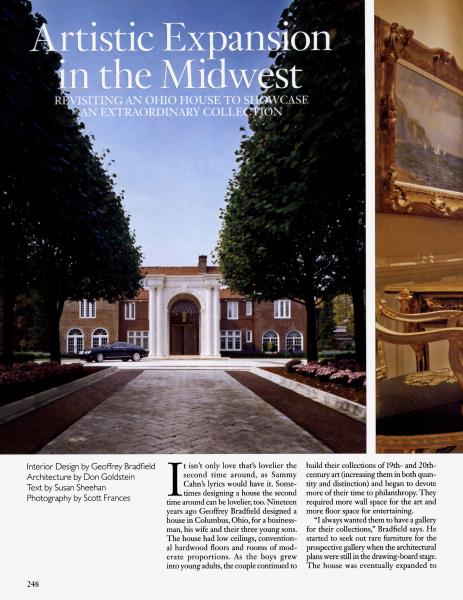
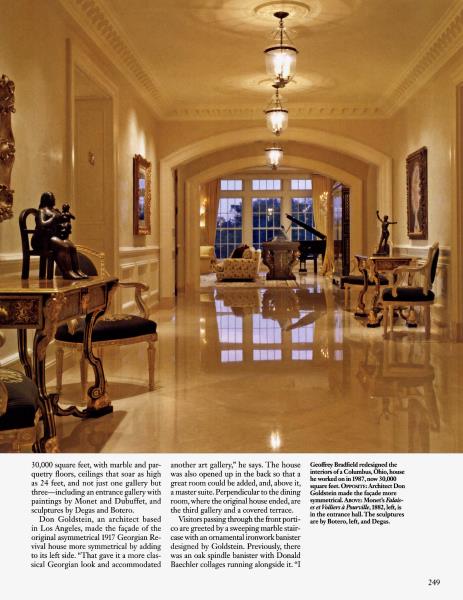
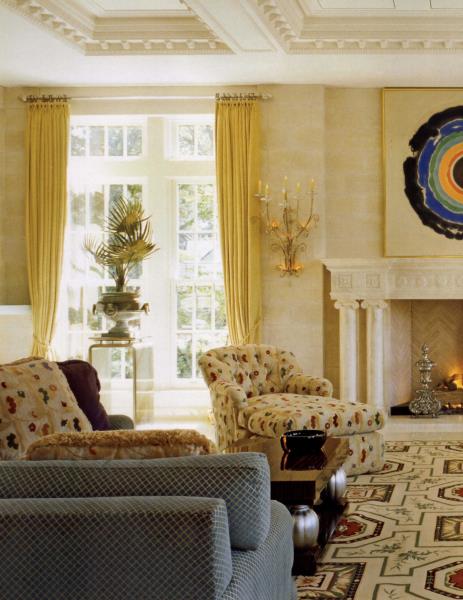
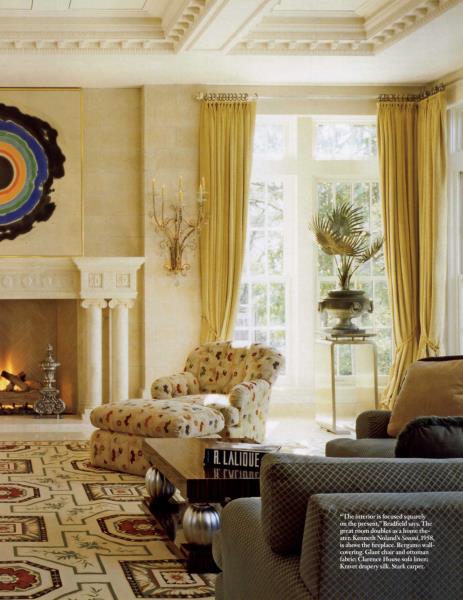
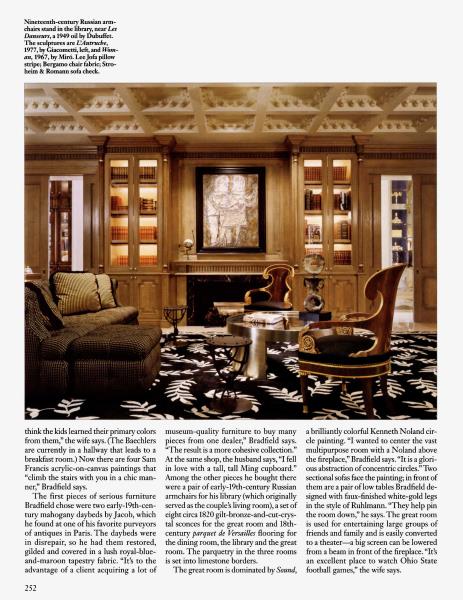
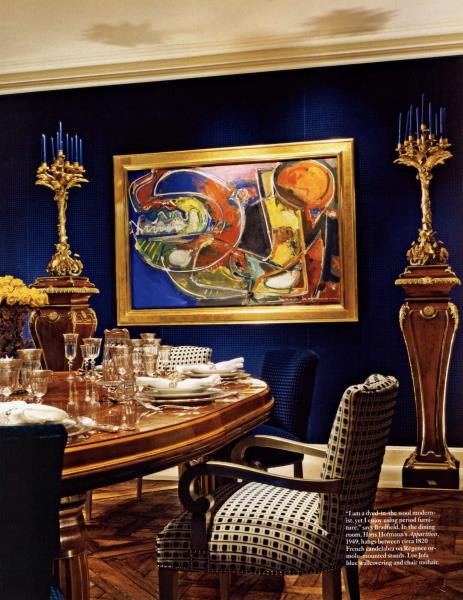
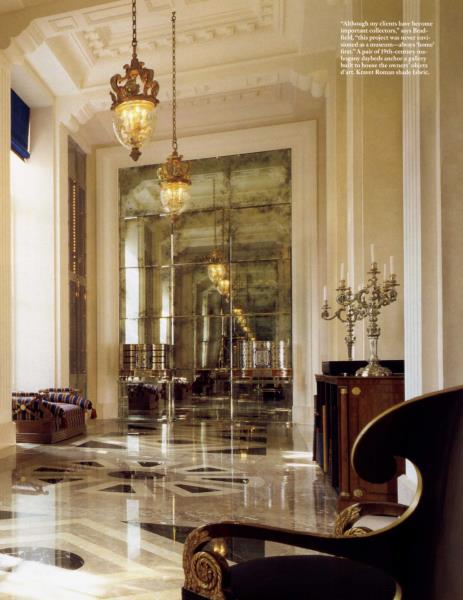
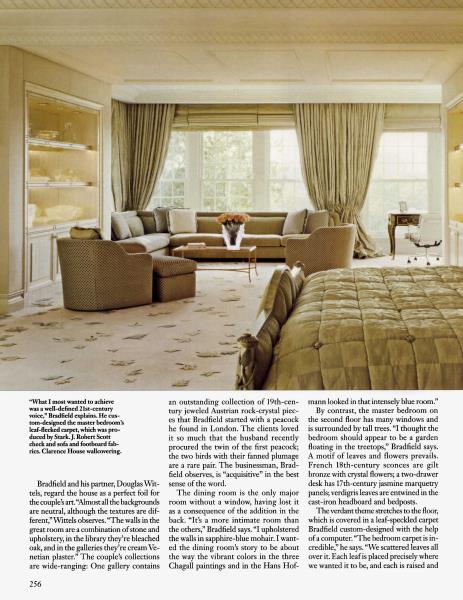
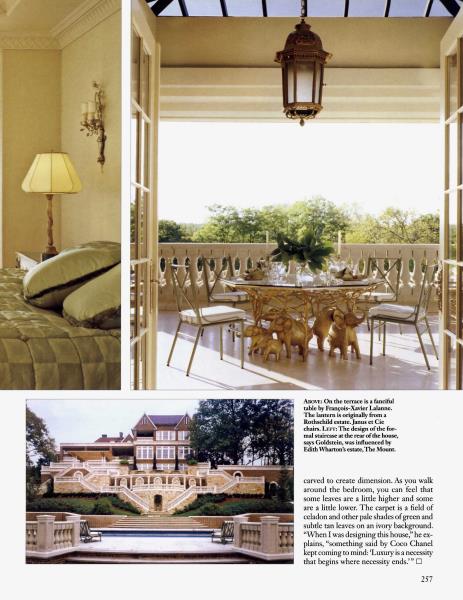
OriginalA purpose-built museum masquerading as a Georgian Revival home, where 30,000 square feet of marble, gilt, and mirrored galleries exist to showcase a serious modern art collection alongside carefully sourced French and Russian antiques. Bradfield orchestrates the collision of Botero sculptures and Régence candelabras with the confidence of a theatrical producer — the Coco Chanel quote about luxury is the house's actual mission statement. It's a philanthropist-collector's social stage, designed to be empty until the party arrives.
Run AA Midwestern businessman's palace costuming itself as a European museum. Bradfield orchestrates a maximalist collision of 19th-century antiques and blue-chip postwar art within a Georgian Revival shell expanded to 30,000 square feet — the Coco Chanel quote about luxury is the tell. Everything here is acquired, nothing inherited, yet the sheer quality and coherence of the accumulation transcends mere performance.
Run BA Midwestern businessman's monument to acquisition, where a 1917 Georgian shell was inflated to 30,000 square feet specifically to house museum-caliber art and entertain at institutional scale. Bradfield treats the home as a curated gallery with residential amenities — the sapphire Hofmann dining room and marble-floored galleries perform wealth with absolute conviction, but the Coco Chanel quote about luxury and necessity reveals the aspiration underneath. It's a collector's palace that knows exactly what it cost and wants you to know too.
AnalysisSplits on Maximalism and Theatricality — spanning Space/Stage groups.

Test–Retest: 17

Page 106Page 107Page 108Page 109Page 110Page 111Page 112Page 113Page 114Page 115Page 116Page 117
#9484Jorge PardoArtistic Freedom
AD 2018-127/9
RUNGrandeurMate.Maxi.Hist.Prov.Hosp.Form.CurationThea.
Original435234222
Run A434-1234222
Run B4352341-122
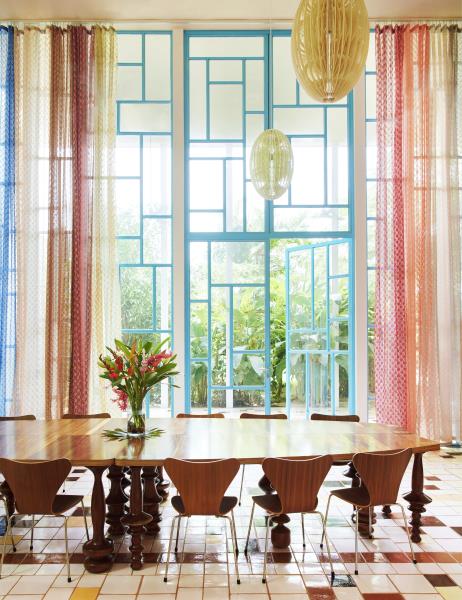
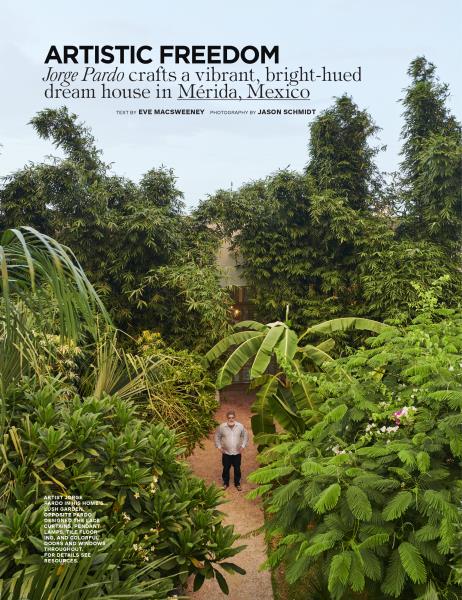
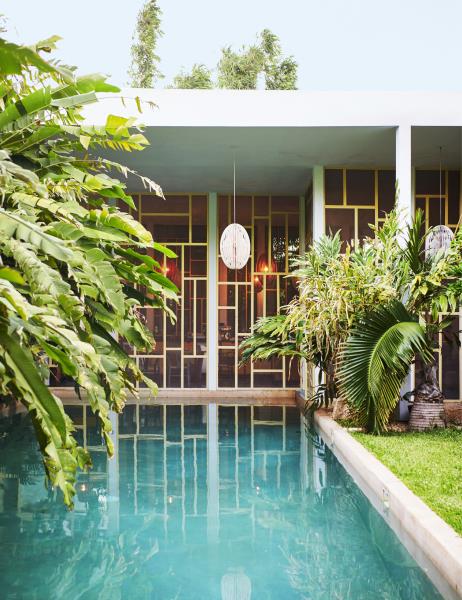
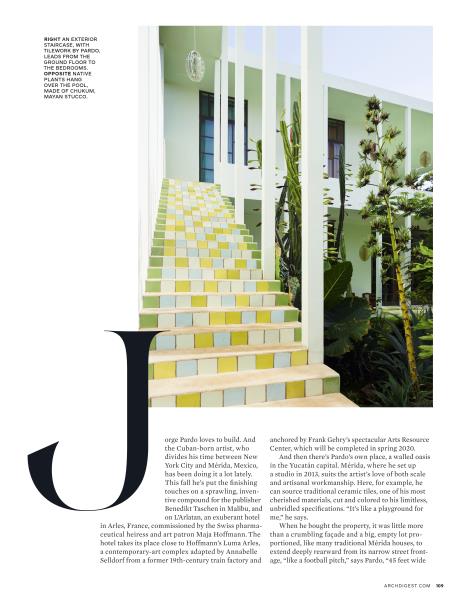
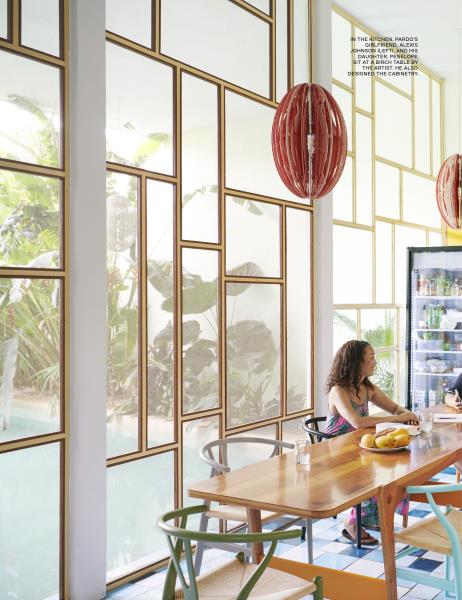
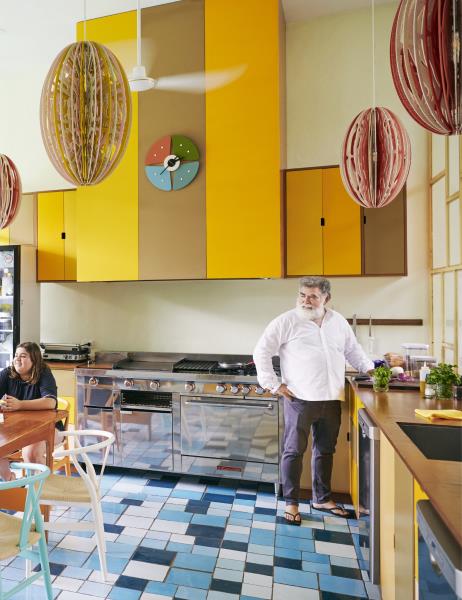
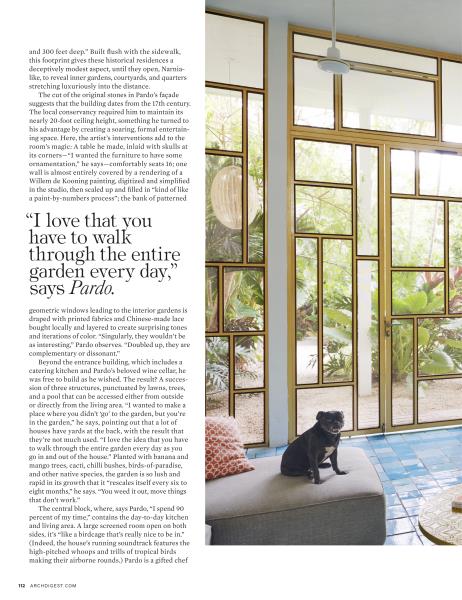
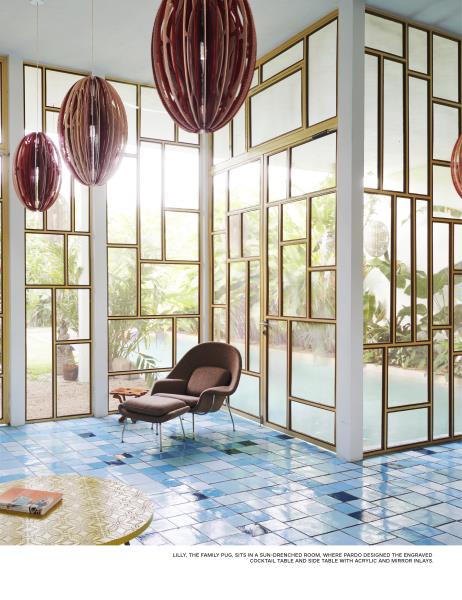
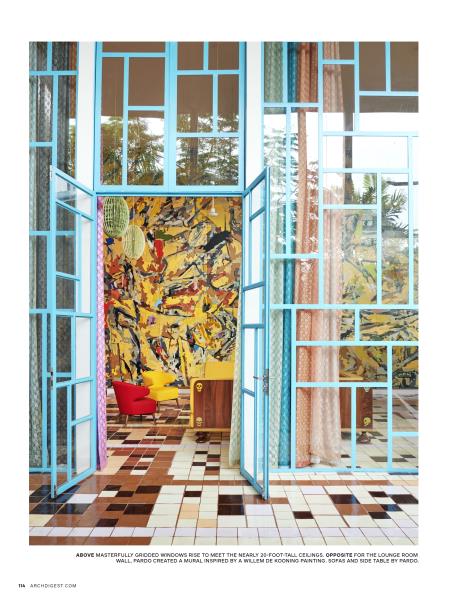
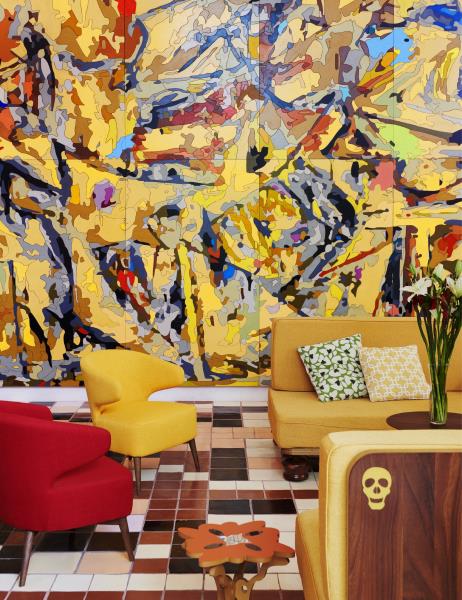
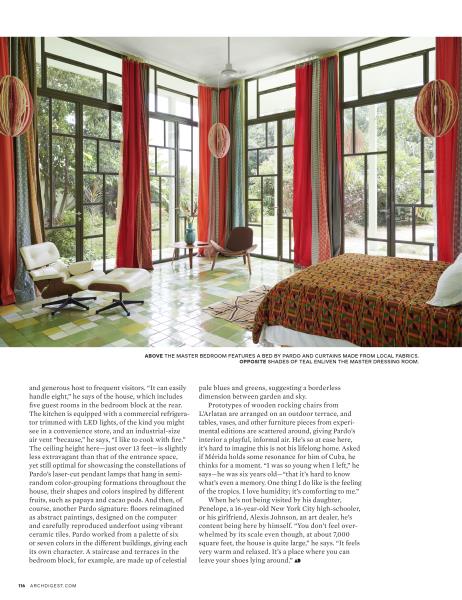
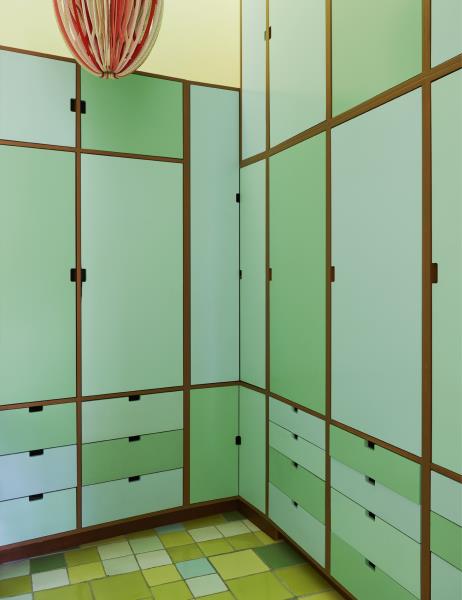
OriginalAn artist's total environment where the house itself is the artwork — every tile, pendant, curtain, and mural designed by one hand to create a coherent tropical maximalism. The nearly 20-foot ceilings and 17th-century shell provide the stage, but Pardo fills it with a joyful, chromatic density that feels more like walking through a living painting than a decorated home. It's bold and unapologetic, but the sandals-by-the-door ease keeps it from tipping into performance.
Run AAn artist's total environment where architecture becomes a canvas — every tile, pendant, curtain, and mural is Pardo's own making, creating a chromatic fever dream that's somehow domestic. The 17th-century Mérida shell provides gravitas while the interiors explode with tropical modernist color that feels genuinely lived-in rather than performed. It's what happens when a Cuba-born artist with unlimited creative freedom builds his own world in the Yucatán.
Run BAn artist's total environment where architecture becomes sculpture. Pardo treats every surface — floors, walls, windows, furniture — as a canvas, creating a maximalist tropical compound where nearly 20-foot ceilings, hand-designed ceramic tiles, and a paint-by-numbers de Kooning mural coexist with a family pug and flip-flops on the floor. It's visually overwhelming yet deeply personal: not a gallery, but a life lived inside one man's uncompromising aesthetic vision.
AnalysisSplits on Maximalism and Formality — spanning Space/Stage groups. Retests trend downward — initial impression may have been generous.

Test–Retest: 18

Page 98Page 99Page 100Page 101Page 102Page 103Page 104Page 105
#4418Allan KatzConnecticut Folk Tale
AD 1993-038/9
RUNGrandeurMate.Maxi.Hist.Prov.Hosp.Form.CurationThea.
Original255551221
Run A255551221
Run B2555511-121
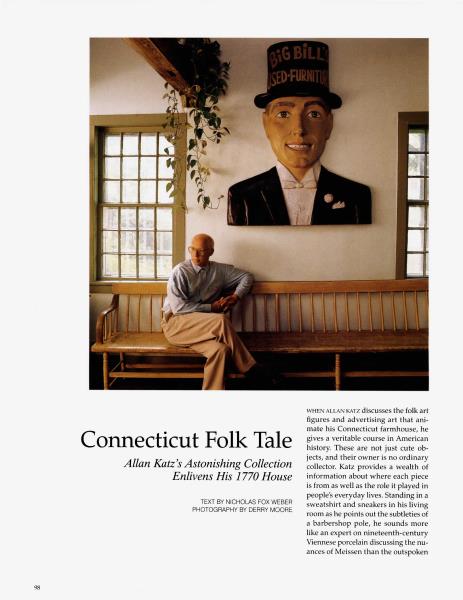
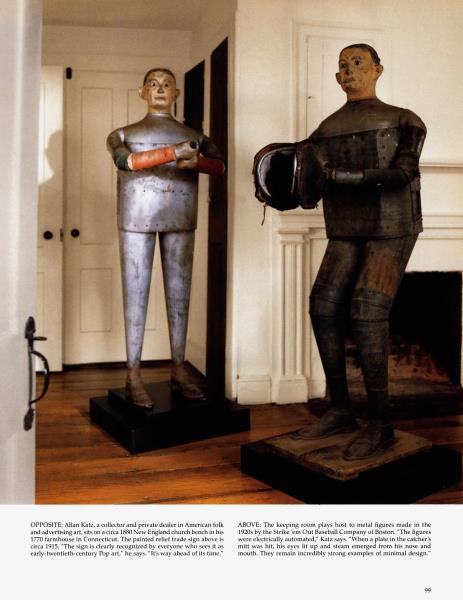
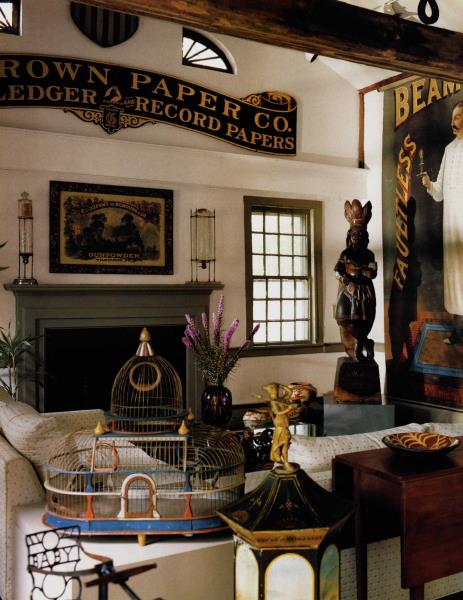
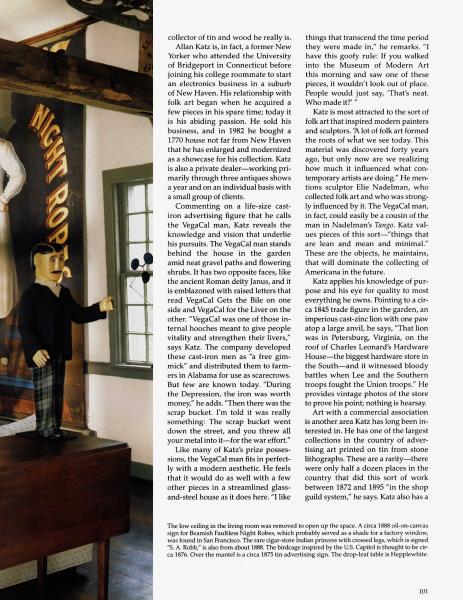
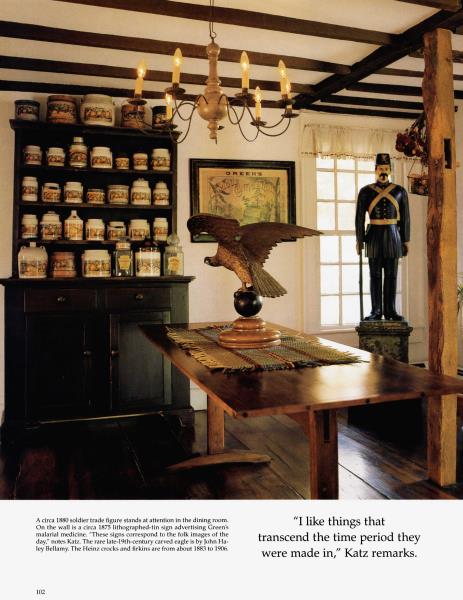
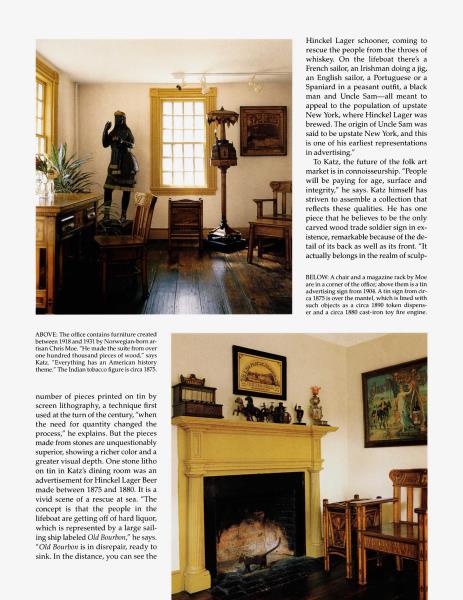
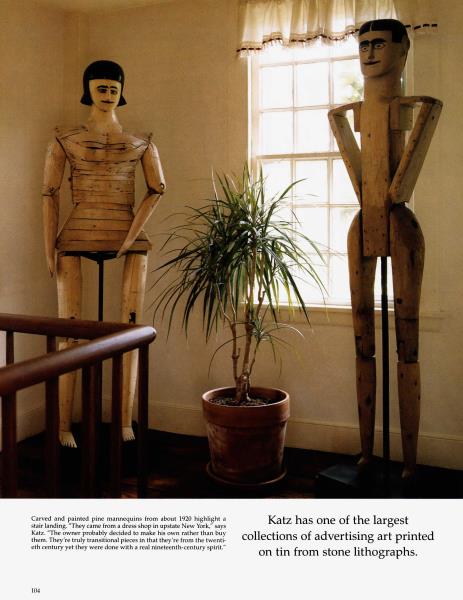
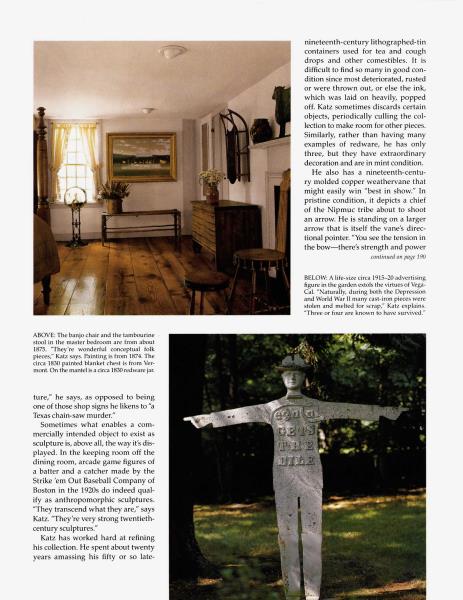
OriginalA scholar-dealer's farmhouse where American folk art isn't displayed but inhabits the rooms like a population of tin men, carved mannequins, and trade figures that have found their permanent address. The 1770 architecture is a humble servant to the collection — low ceilings and exposed beams creating the perfect scale for life-size cast-iron advertising figures and stone-lithographed signs that Katz treats as sculpture rather than antiques. Nothing here performs for anyone but the collector himself.
Run AA scholar-collector's farmhouse where American folk art and advertising ephemera are treated with the seriousness of Old Masters. The 1770 architecture disappears behind life-size cast-iron figures, carved mannequins, and trade signs that transform every room into a cabinet of curiosities with genuine intellectual rigor. Nothing here performs for anyone but Allan Katz himself — a man in sneakers who happens to live inside a museum.
Run BA scholar-dealer's private cabinet of wonders housed in a genuine 1770 farmhouse, where life-size cast-iron trade figures and 19th-century tin lithographs accumulate with the density and coherence of a folk art museum. Nothing here performs for an audience — every object is chosen for its place in American commercial history, and the low-beamed rooms feel like they've been absorbing these pieces for centuries. The sweatshirt-and-sneakers energy is real: this is a collection that exists to be understood, not admired.
AnalysisOnly Formality breaks consensus — the original (2) holds while retests split (2/1), a classic boundary case.

Test–Retest: 19

Page 54Page 55Page 56Page 57Page 58Page 59Page 60Page 61Page 62Page 63
#4547David WhitcombHUDSON RIVER ANTHOLOGY
AD 1994-078/9
RUNGrandeurMate.Maxi.Hist.Prov.Hosp.Form.CurationThea.
Original433433343
Run A433433343
Run B44+13433343
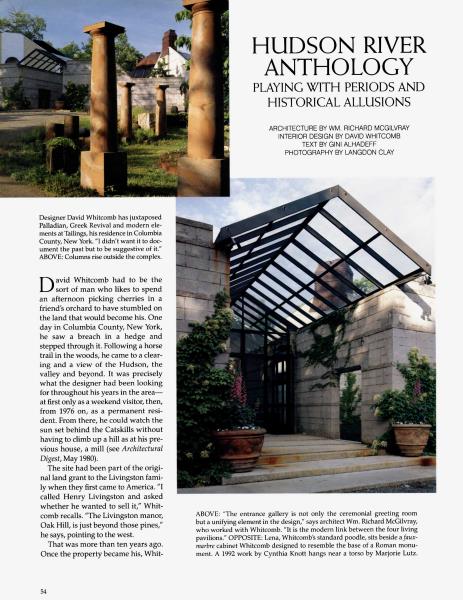
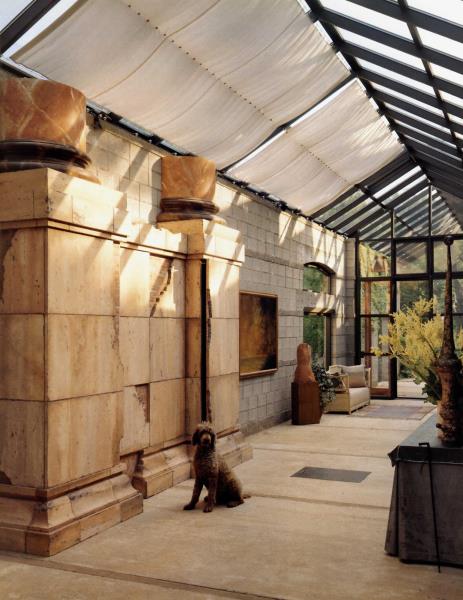
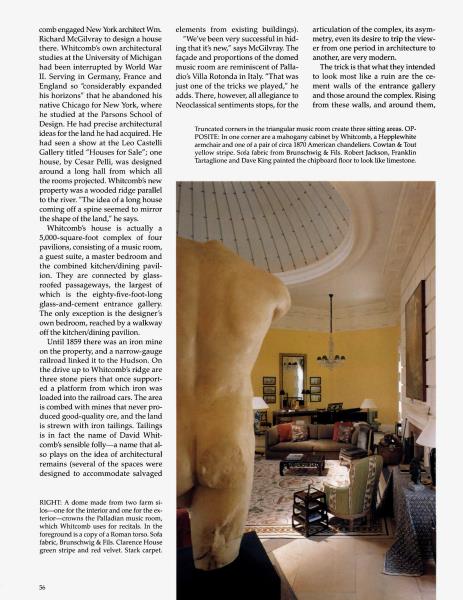
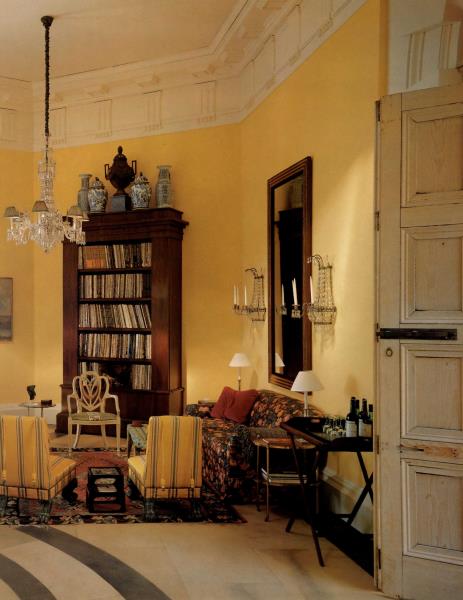
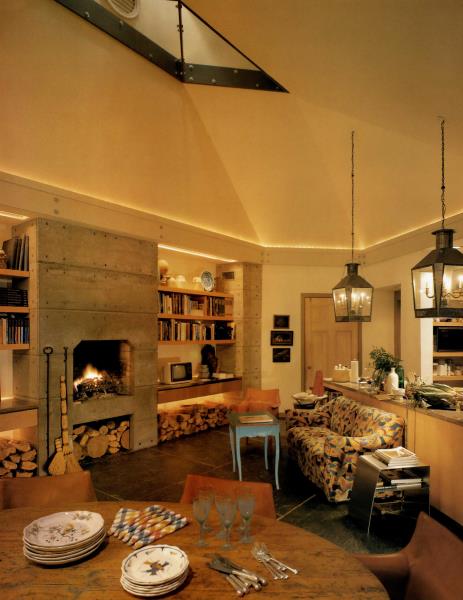
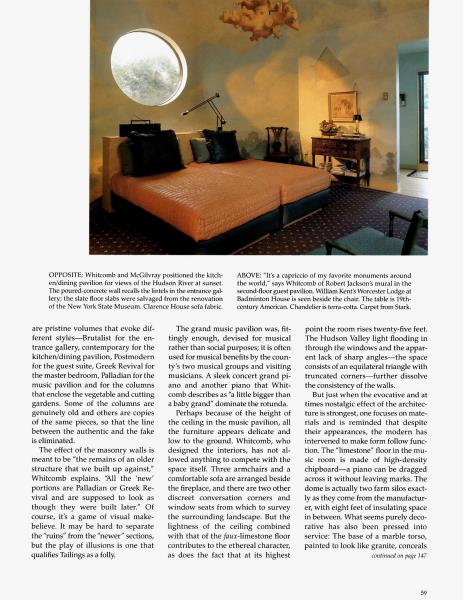
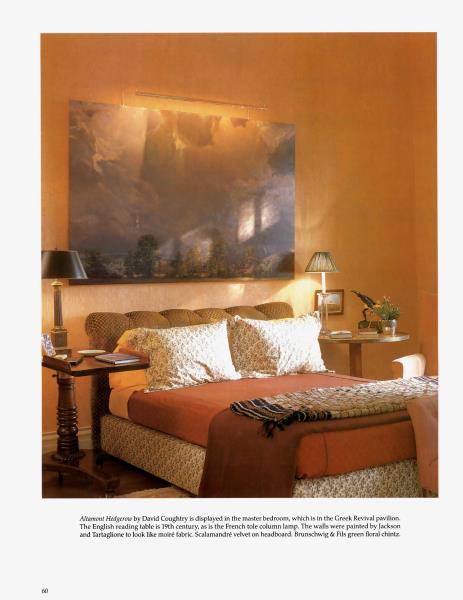
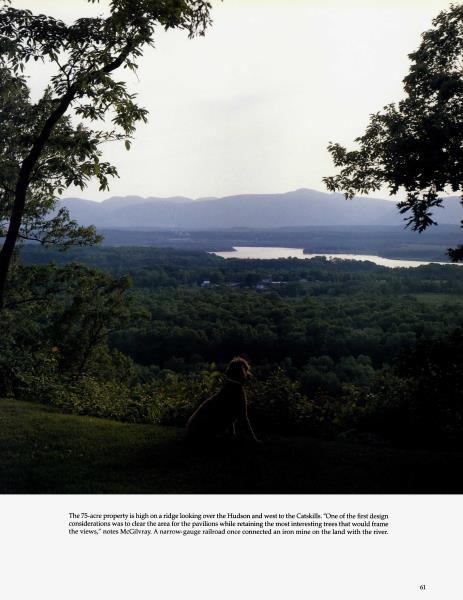
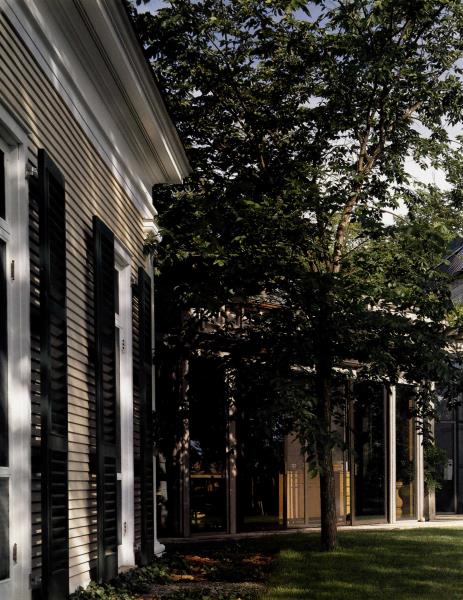
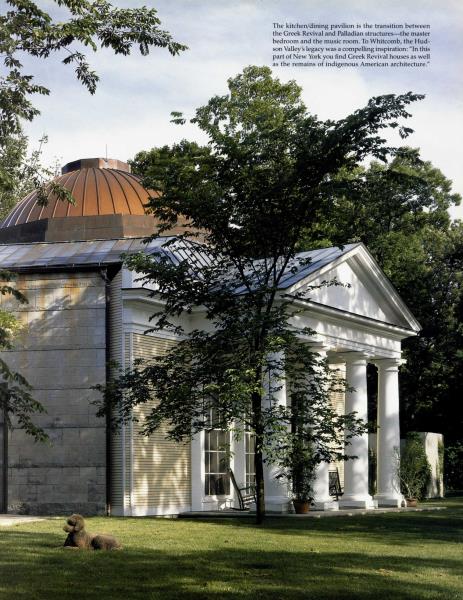
OriginalAn architect-designer's intellectual folly on a Hudson River ridge, where Palladian columns meet poured concrete and glass-roofed passageways connect pavilions that each commit to a different historical period. The trick is genuine — salvaged elements and painted illusions blur the line between ruin and new construction — but the dog sleeping in the entrance gallery and firewood stacked beside the concrete fireplace betray a home that's used hard despite its museum-grade ambitions. It's a capriccio built for one person's pleasure, not an audience's approval.
Run AAn architectural capriccio by a designer playing God on a Hudson Valley ridge — four pavilions spanning Brutalist to Palladian, connected by glass corridors, all built to house one man and his poodle. The salvaged columns and faux-limestone floors are brilliant fabrications, not inherited authenticity, and the whole complex reads as a deeply personal intellectual exercise in period-mixing that happens to also be a house.
Run BAn architect-designer's intellectual folly on a Hudson Valley ridge, where Palladian pavilions, Greek Revival porticos, and Postmodern glass connectors stage a deliberate conversation about historical authenticity and theatrical ruin. The warmth of ochre walls, chintz, and stacked firewood domesticates what could be a cold academic exercise. Whitcomb named it 'Tailings' after the iron-mine debris on the land—a wink that the whole enterprise is playing with the idea of salvage and fragment.
AnalysisOnly Material Warmth breaks consensus — the original (3) holds while retests split (3/4), a classic boundary case.

Test–Retest: 20

Page 138Page 139Page 140Page 141Page 142Page 143Page 144Page 145
#4633Tom HamiltonWILD LIFE IN PUERTO RICO
AD 1995-098/9
RUNGrandeurMate.Maxi.Hist.Prov.Hosp.Form.CurationThea.
Original454253121
Run A4541-153121
Run B4541-153121
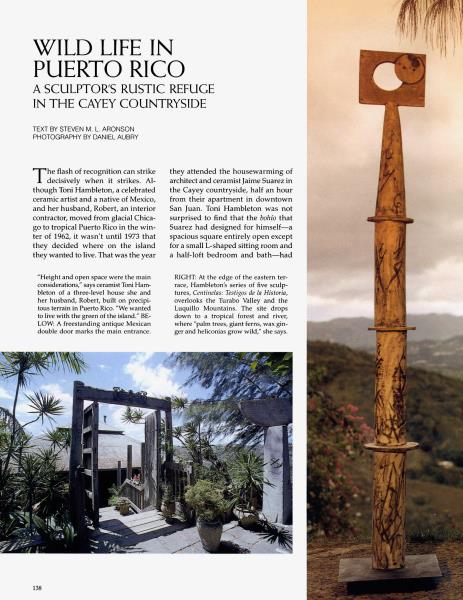
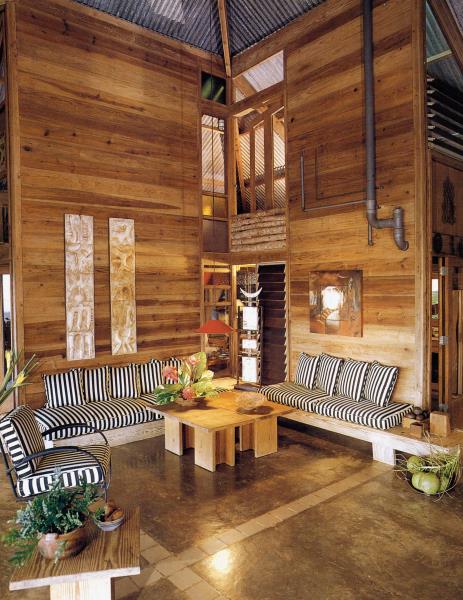
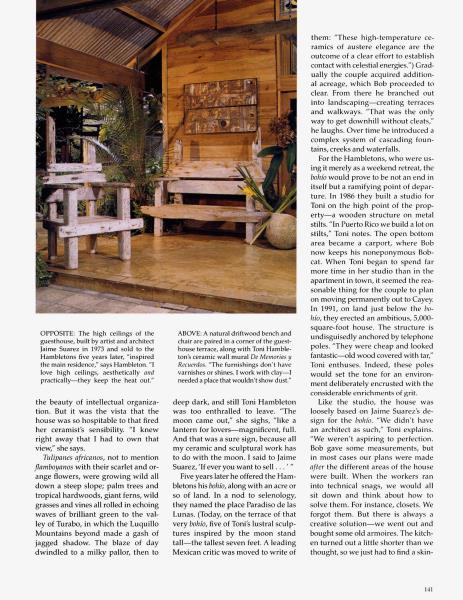
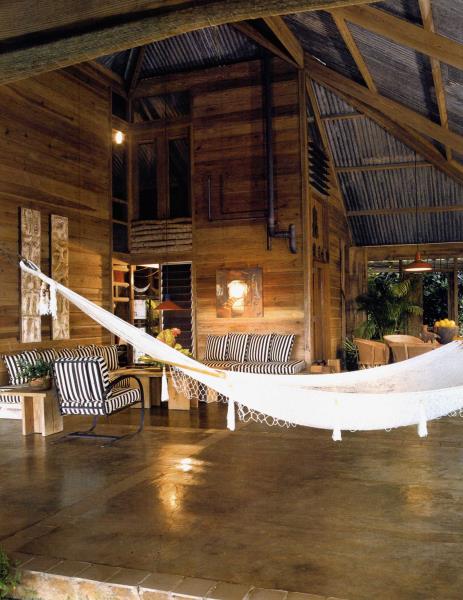
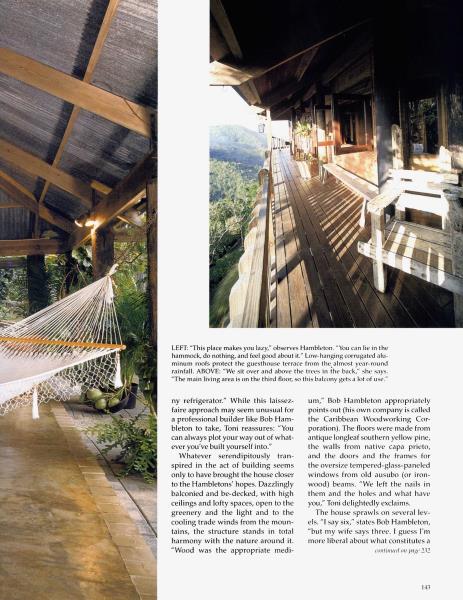
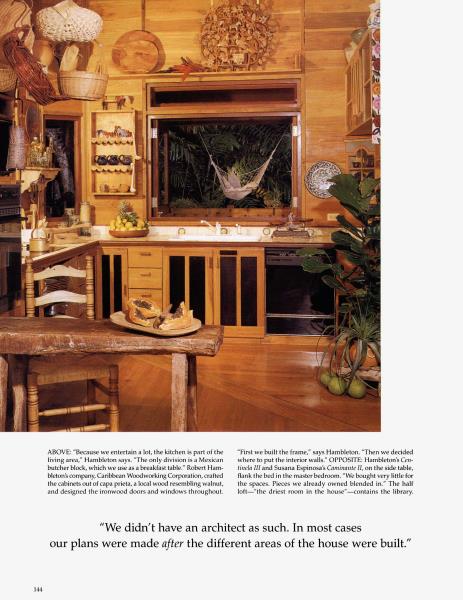
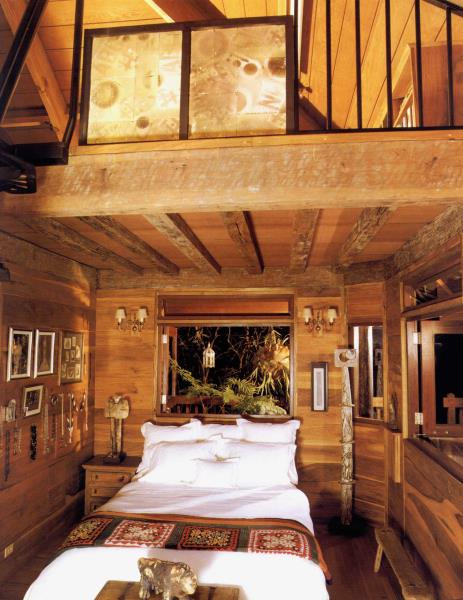
OriginalAn artist's self-built compound that grew organically from the Puerto Rican hillside over two decades, where every beam was chosen and every ceramic totem was fired by the residents themselves. The radical warmth of all-timber construction and the hammock-slung informality make this less a designed home than a lived sculpture. It's the rare house where provenance is absolute — nothing was bought to impress; everything was made to belong.
Run AAn artist's compound grown organically from the hillside over two decades, where every surface is warm wood and every object was made or found by the people who live there. The triple-height timber spaces are genuinely grand but radically informal — a hammock hangs where a chandelier might. This is provenance you can't buy: a sculptor's life materialized in capa prieto and clay on a Puerto Rican mountaintop.
Run BAn artist's compound grown organically from the Puerto Rican mountainside over two decades, where every surface is handmade wood and every object was either created by the sculptor-owner or found along the way. The rustic grandeur of triple-height timber ceilings and corrugated roofing contains a life of genuine creative accumulation — pre-Columbian-inspired totems guard the terrace while a hammock occupies the living room. This is art-making as architecture, unperformative and deeply rooted.
AnalysisNear-perfect agreement with a single split on Historicism (2→1). Two retests converge on the revised score, suggesting the original may have been the outlier.

Test–Retest: 21

Page 178Page 179Page 180Page 181Page 182Page 183Page 184Page 185
#4676Ismail MerchantIsmail Merchant
AD 1996-048/9
RUNGrandeurMate.Maxi.Hist.Prov.Hosp.Form.CurationThea.
Original444453432
Run A44445344+12
Run B44445344+12
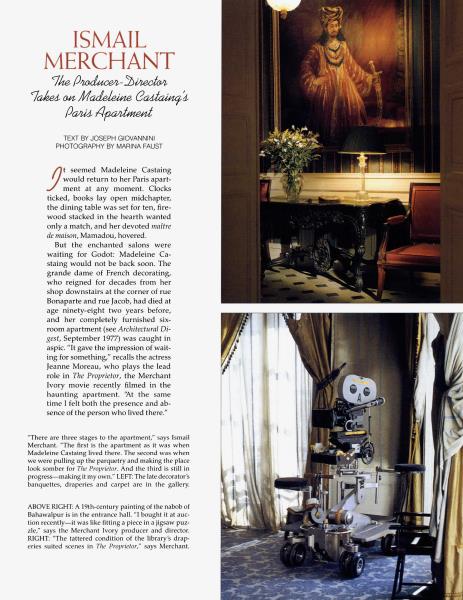
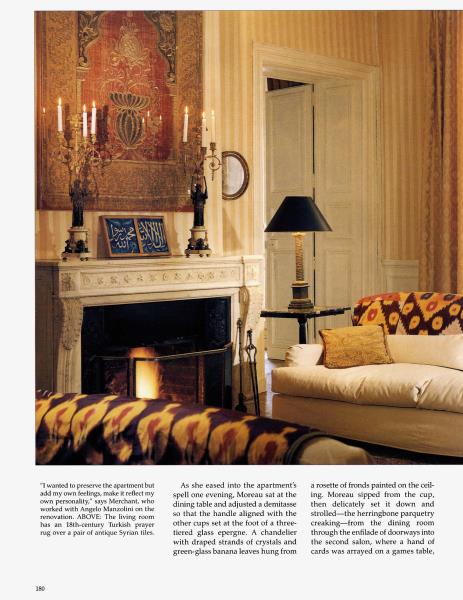
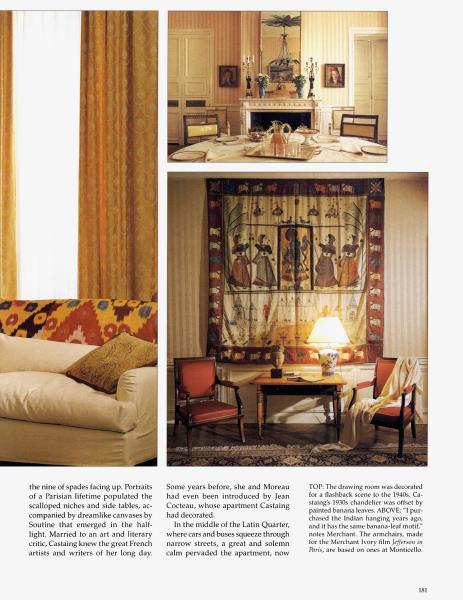
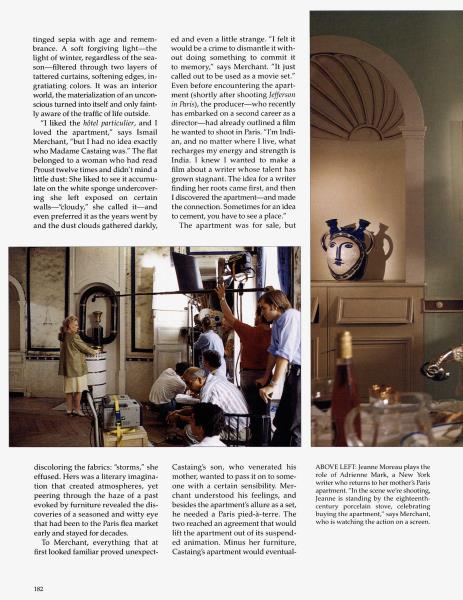
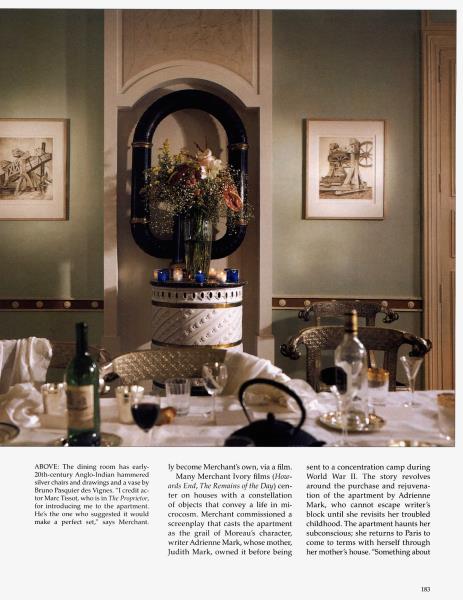
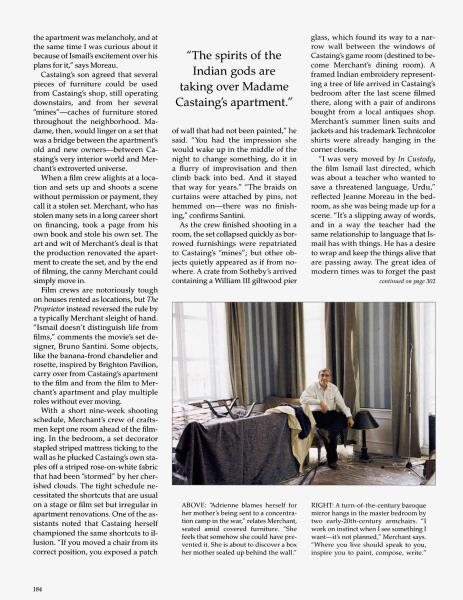
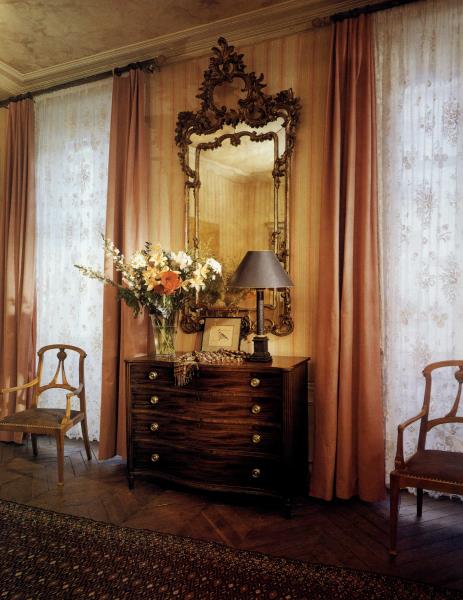
OriginalA haunted Parisian salon where Madeleine Castaing's ghost lingers in every tattered curtain and dust-darkened fabric, now overlaid with Ismail Merchant's Indo-cosmopolitan sensibility. The apartment is genuine accumulation made cinematic — a real place that became a film set precisely because it couldn't be designed. Patina here isn't a style choice; it's biography.
Run AA haunted Parisian salon where Madeleine Castaing's decades of dust and Ismail Merchant's Indian roots stage an improbable cultural séance. The tattered grandeur is genuine — curtains 'stormed' by age, parquet creaking underfoot — and Merchant's additions (Islamic calligraphy, Indian embroidery) feel like a conversation with the ghost of the previous occupant rather than a renovation. It's a film set that insists on being a home, or a home that was always performing for an imagined camera.
Run BA haunted Parisian salon preserved in amber, where Madeleine Castaing's deliberate dust and 'stormed' fabrics meet Ismail Merchant's Indian devotional objects in a cross-cultural séance. The patina is ferociously authentic — tattered curtains left to age, walls intentionally uncleaned — creating an interior world that privileges atmosphere over presentation. It's a decorator's apartment that became a filmmaker's stage set without ever losing its soul.
AnalysisNear-perfect agreement with a single split on Curation (3→4). Two retests converge on the revised score, suggesting the original may have been the outlier.

Test–Retest: 22

Page 126Page 127Page 128Page 129Page 130Page 131Page 132Page 133Page 134Page 135Page 136Page 137
#5007Tina TurnerTINA TURNER
AD 2000-038/9
RUNGrandeurMate.Maxi.Hist.Prov.Hosp.Form.CurationThea.
Original544334443
Run A5443343-143
Run B544334443
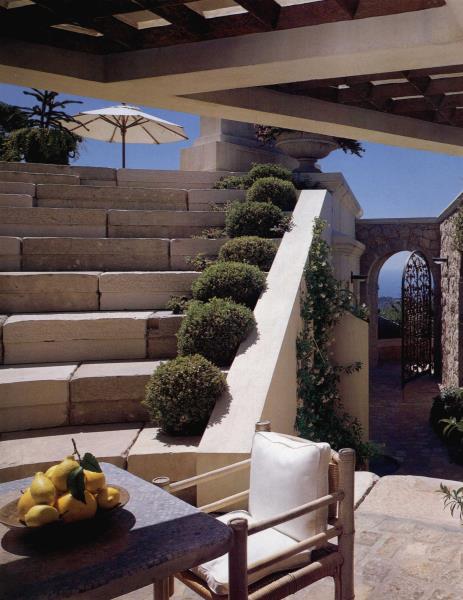
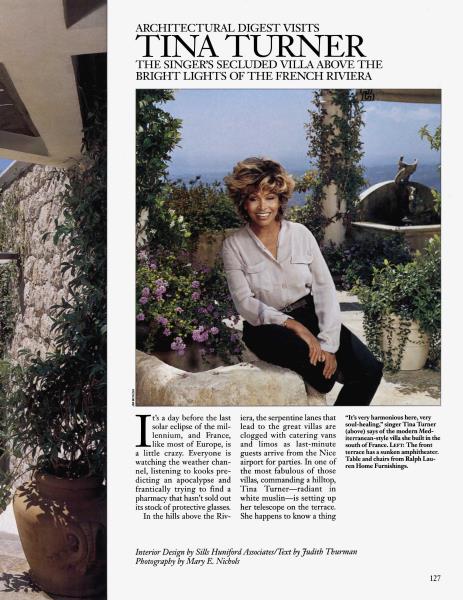
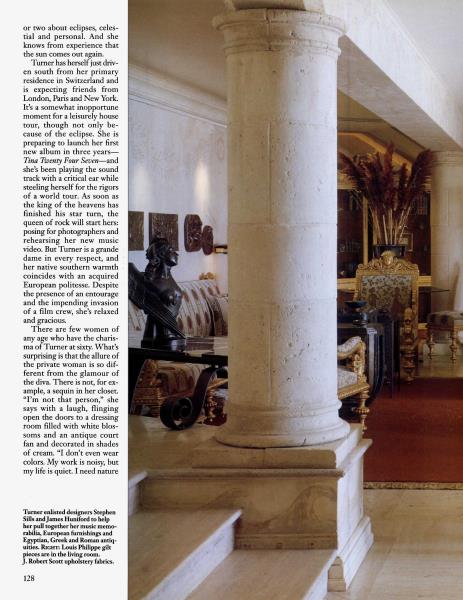
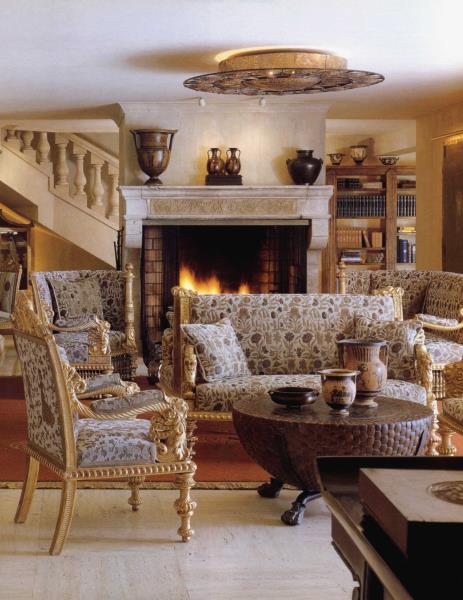
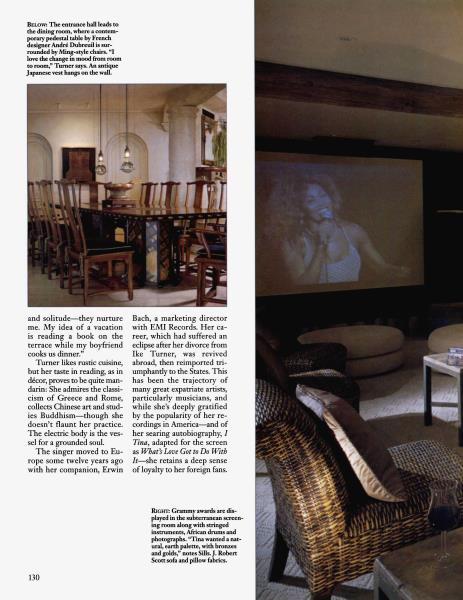
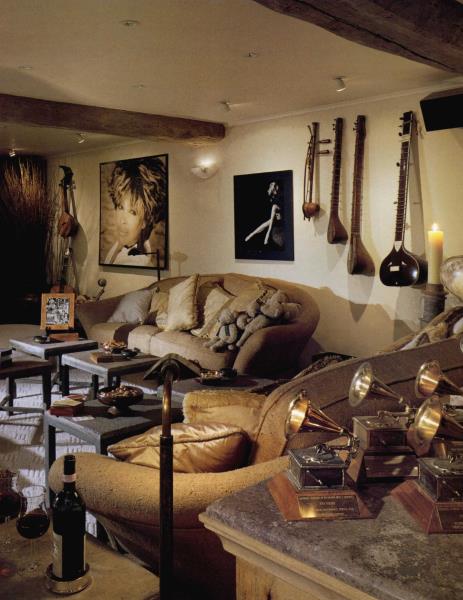
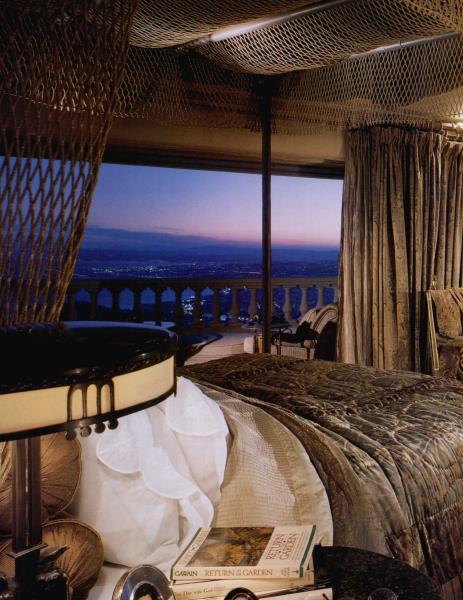
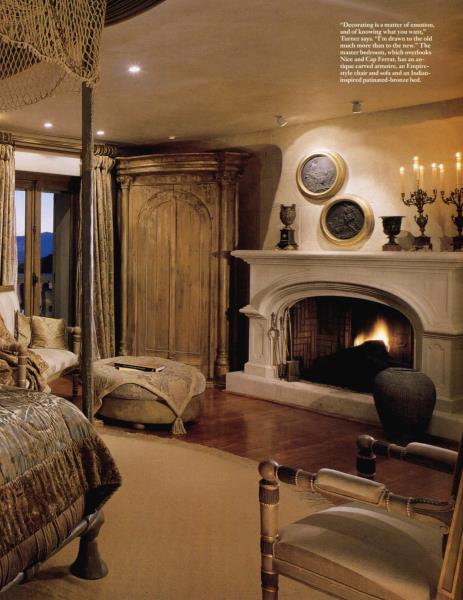
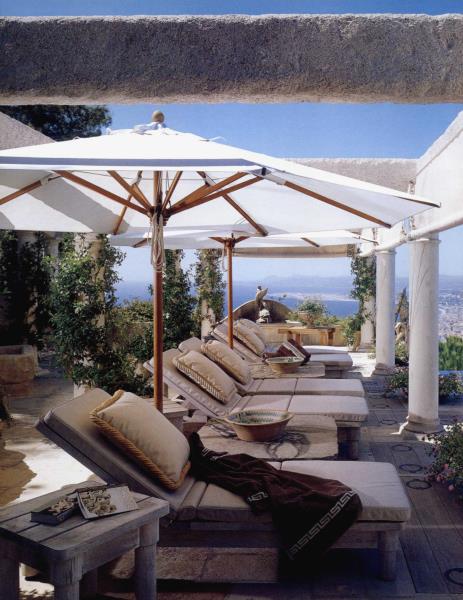
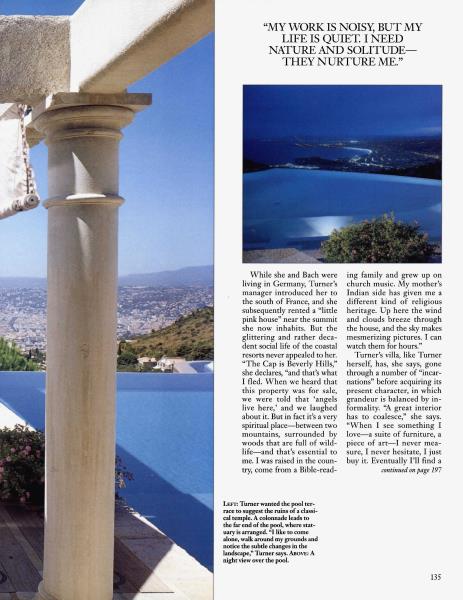
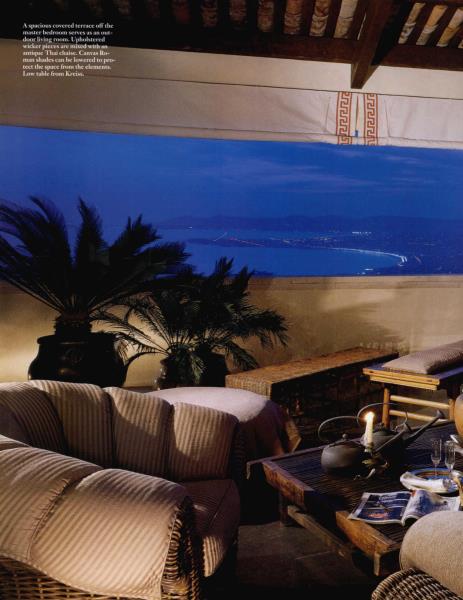
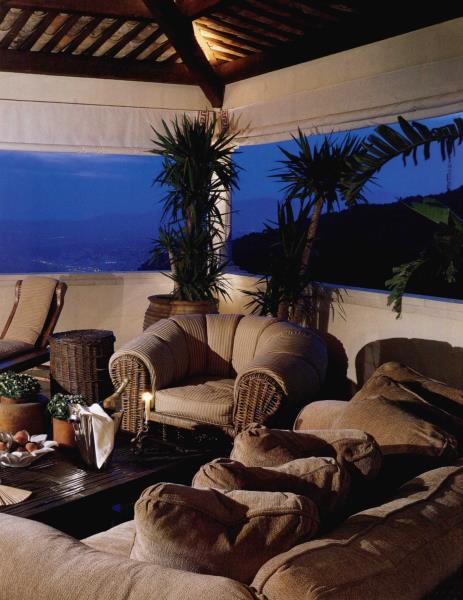
OriginalA rock queen's Mediterranean acropolis — classical columns and Roman antiquities given warmth by wicker, candlelight, and earth-toned fabrics. The grandeur is real but domesticated: Grammys are tucked in the basement alongside sitars, and the most theatrical view is reserved for the private bedroom terrace. Turner's villa performs not for guests but for a woman who escaped spectacle and built herself a temple of solitude with very good bones.
Run AA Mediterranean hilltop fortress where rock royalty retreats into classical antiquity. The Grammys are in the basement and the sequins are banned — Turner channels her energy into stone columns, ancient urns, and firelit warmth rather than celebrity spectacle. Grandeur serves solitude here, not performance.
Run BA rock queen's Mediterranean temple — monumental stone architecture softened by a global bazaar of antiquities, wicker, and warm earth tones. The Grammy room in the basement and the Indian four-poster overlooking Nice tell you everything: the spectacle is real but the woman lives quietly inside it. Grandeur deployed in service of solitude, not celebrity.
AnalysisOnly Formality breaks consensus — the original (4) holds while retests split (3/4), a classic boundary case.

Test–Retest: 23

Page 232Page 233Page 234Page 235Page 236Page 237
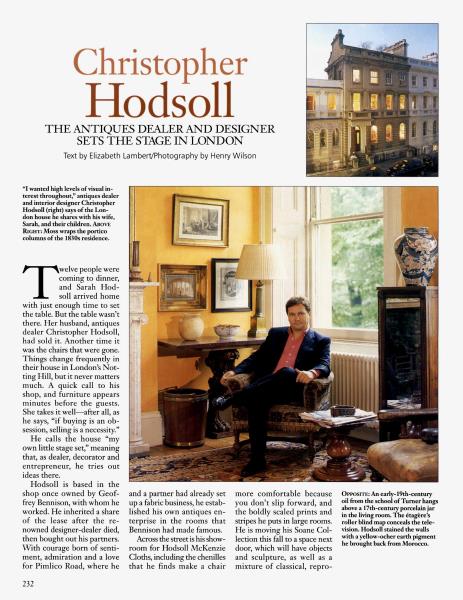
#5143Christopher HodsollChristopher Hodsoll
AD 2001-098/9
RUNGrandeurMate.Maxi.Hist.Prov.Hosp.Form.CurationThea.
Original454444332
Run A454443-1332
Run B454444332
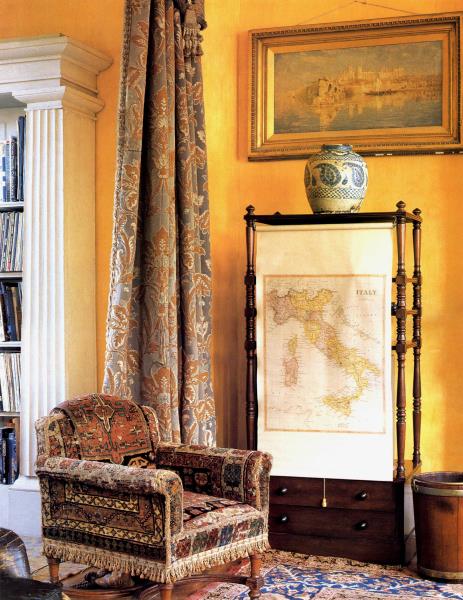
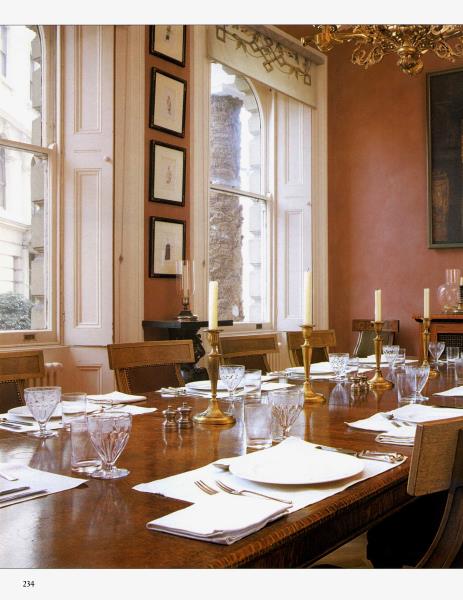
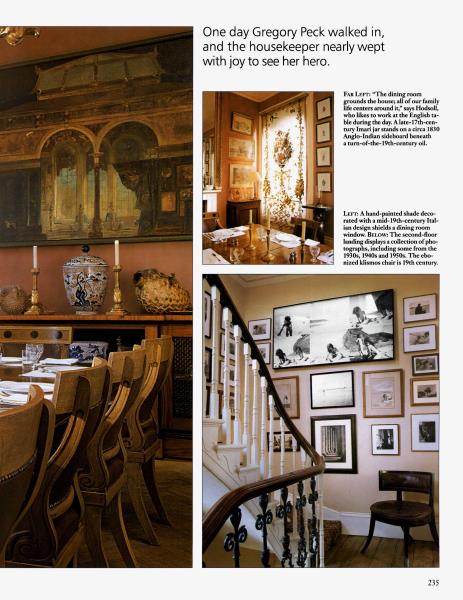
OriginalA London antiques dealer's living inventory — rooms dressed in deep ochre and terracotta where 17th-century ceramics and kilim-covered chairs rotate through like cast members in an ever-changing production. The warmth is genuine, the provenance earned through trade rather than inheritance, and the formality dissolved by four daughters who refuse to knock. Hodsoll calls it his 'own little stage set,' but the wear on the leather and the chaos of the stairwell gallery wall betray a house that serves life first and commerce second.
Run AAn antiques dealer's living workshop where the inventory constantly rotates through rooms saturated in Moroccan earth pigment and layered with centuries of collected objects. The warmth is genuine — children sit on irreplaceable leather, bulldogs roam freely, and the odd dent is celebrated. This is maximalism earned through trade, not purchased through a decorator.
Run BAn antiques dealer's London townhouse that doubles as a rotating showroom, where 18th-century Imari jars and kilim armchairs coexist with four daughters' muddy shoes. The yellow-ocher Moroccan pigment walls and deep terracotta dining room create a warmth that's almost Mediterranean despite the Georgian bones. This is maximalism earned through trade, not decoration — every object has arrived through the shop and may leave before dessert.
AnalysisOnly Hospitality breaks consensus — the original (4) holds while retests split (3/4), a classic boundary case.

Test–Retest: 24

Page 170Page 171Page 172Page 173Page 174Page 175
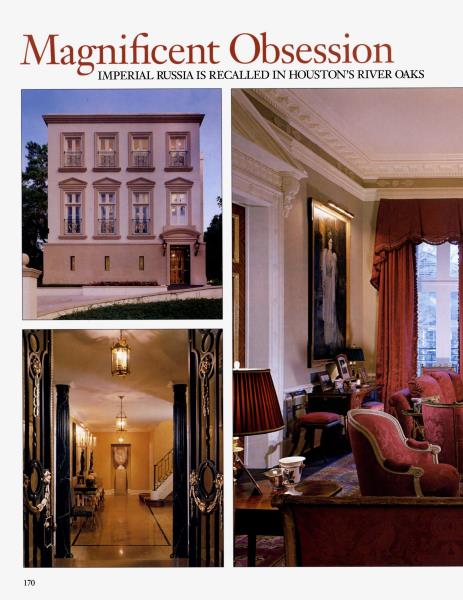
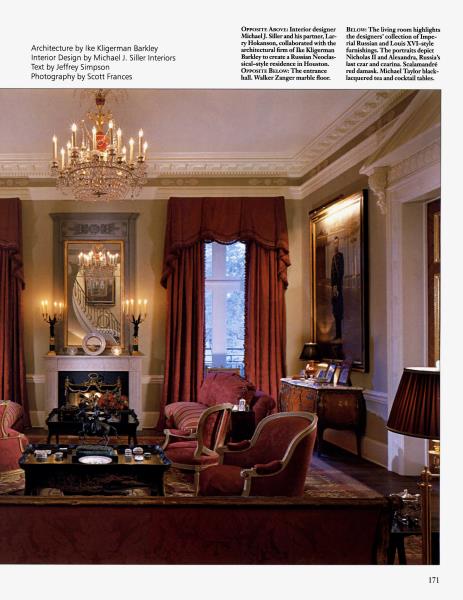
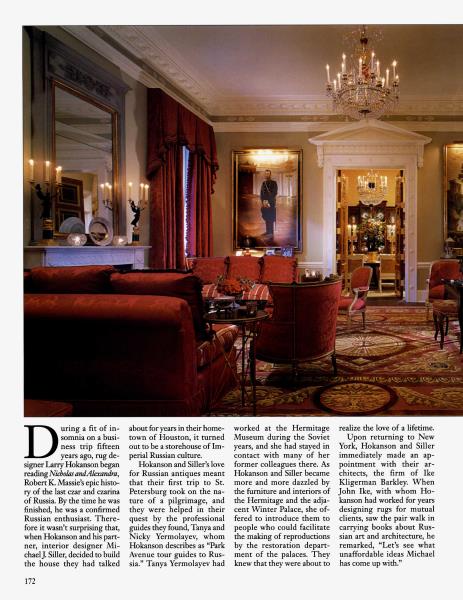
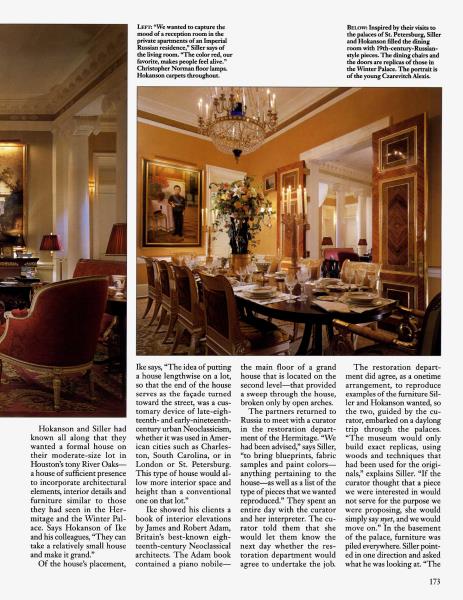
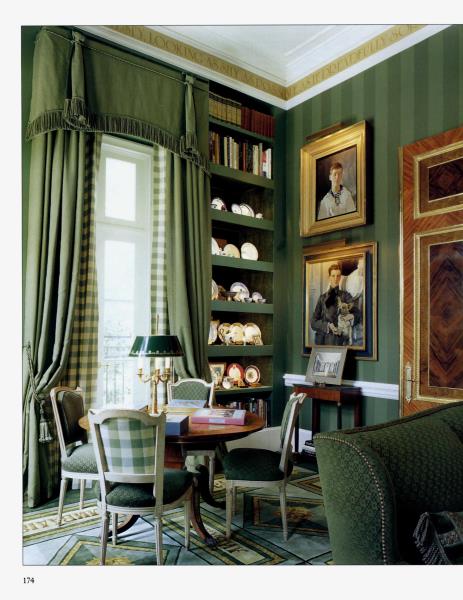
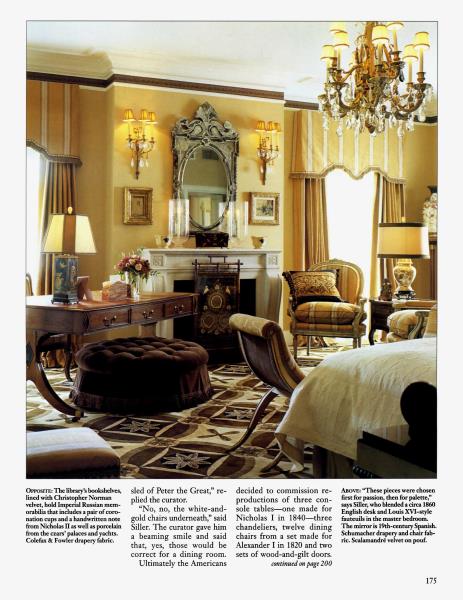
#5192Robert K. MassieMagnificent Obsession
AD 2001-128/9
RUNGrandeurMate.Maxi.Hist.Prov.Hosp.Form.CurationThea.
Original545534554
Run A545534554
Run B54553454-14
OriginalA Houston rug designer's fever dream of Imperial Russia, built from scratch to replicate the Winter Palace using Hermitage-commissioned reproductions and Scalamandré everything. The obsession is genuine — this isn't decorating, it's cosplay at architectural scale — but the result is more museum vitrine than lived-in home. Magnificent and slightly unhinged in the best possible way.
Run AA fever dream of Imperial Russia built from scratch in Houston's River Oaks, where Hermitage-commissioned reproductions and Scalamandré damask create a hermetically sealed fantasy with zero anachronisms. The obsession is genuine — rug designer reads Massie, visits St. Petersburg, commissions the restoration department — but the result is a stage set of astonishing conviction rather than a lived-in palace. Maximum coherence, maximum density, maximum theatricality in service of a very specific mania.
Run BImperial Russia transplanted to Houston's River Oaks with fanatical commitment — Hermitage curators commissioned reproductions, Winter Palace doors replicated, Scalamandré damask on every wall. It's a magnificent folly born of genuine obsession rather than decorator ambition, but the perfection of every surface betrays its newness. A palace without a dynasty.
AnalysisOnly Curation breaks consensus — the original (5) holds while retests split (5/4), a classic boundary case.

Test–Retest: 25

Page 300Page 301Page 302Page 303Page 304Page 305
#5399Guy and Marie-Hélène de RothschildGuy and Marie-Hélène de Rothschild
AD 2004-058/9
RUNGrandeurMate.Maxi.Hist.Prov.Hosp.Form.CurationThea.
Original455554331
Run A455554332+1
Run B455554332+1
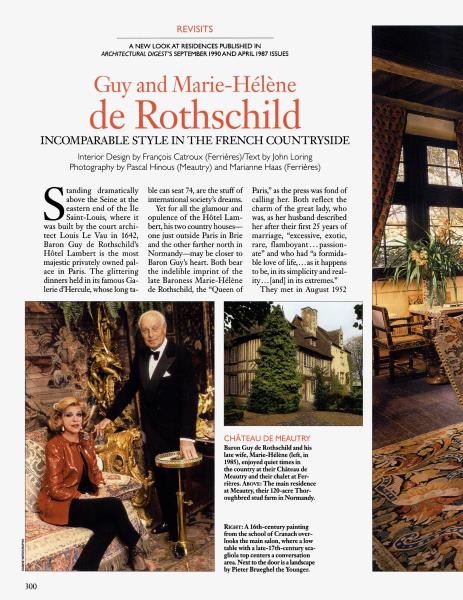
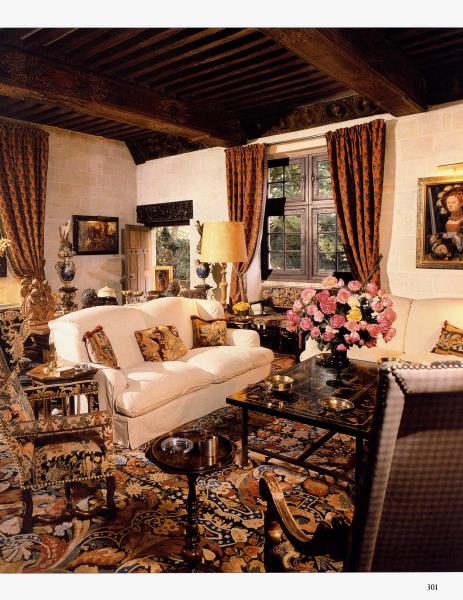
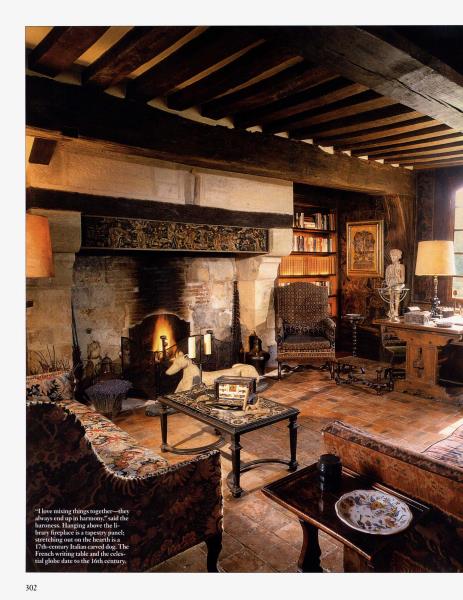
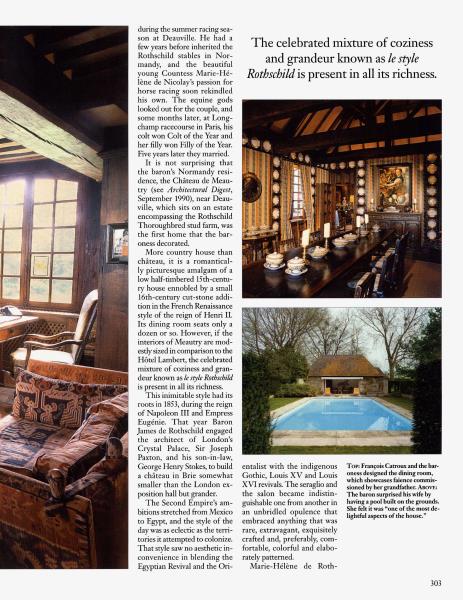
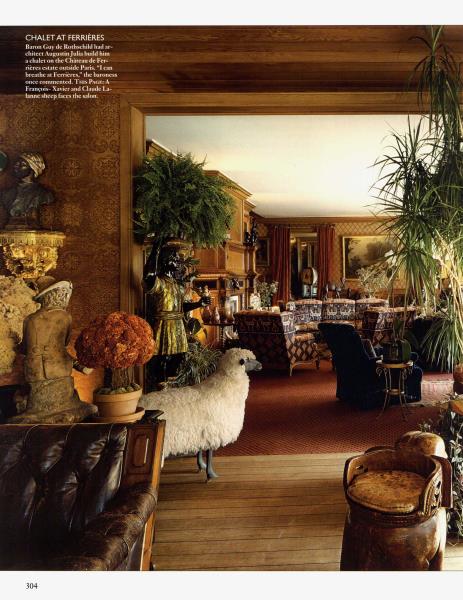
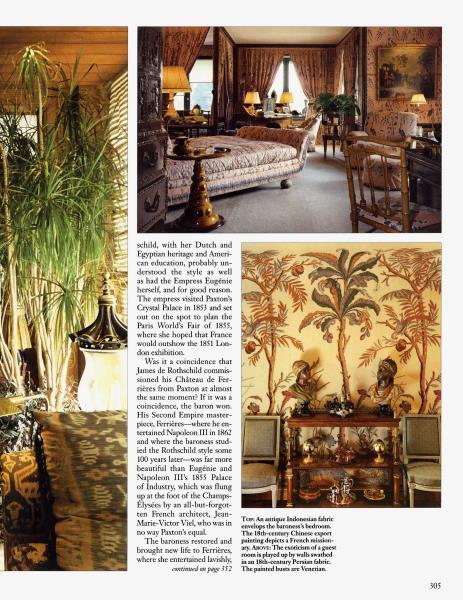
OriginalLe style Rothschild in its purest expression: 150 years of aristocratic accumulation layered into medieval Norman stone with the confidence of people who never needed to prove anything. The maximalism is total but effortless — Lalanne sheep graze beside Buddhist sculptures and Persian textiles in rooms where the baroness's celebrated eye turned eclecticism into a house language. The warmth is real, the patina is earned, and the theatricality is zero because when your family built Ferrières for Napoleon III, you've already won.
Run ALe style Rothschild in its purest expression: centuries of accumulated treasure layered with such confident density that a Cranach painting, a Lalanne sheep, and an Indonesian bedroom fabric coexist without irony. The warmth is real — worn terracotta, blazing hearths, and slipcovers among the Old Masters betray a family that treated their museum-quality châteaux as actual homes. This is what provenance looks like when it doesn't need to prove anything.
Run BLe style Rothschild at its most authentic: a celebrated mixture of coziness and grandeur where 16th-century stone fireplaces, Aubusson carpets, and Lalanne sculptures coexist in rooms that have been genuinely lived in by one of Europe's great families. The density is extraordinary but never chaotic — every object earned its place through decades of passionate collecting rather than a single decorating campaign. This is what real provenance looks like: not curated age but actual age, layered with the baroness's famous talent for mixing rare with flamboyant, exotic with intimate.
AnalysisNear-perfect agreement with a single split on Theatricality (1→2). Two retests converge on the revised score, suggesting the original may have been the outlier.

Test–Retest: 26

Page 92Page 93Page 94Page 95Page 96Page 97Page 98Page 99Page 100Page 101
#5795UnknownGreenhouse Effect
AD 2008-088/9
RUNGrandeurMate.Maxi.Hist.Prov.Hosp.Form.CurationThea.
Original421114333
Run A42111434+13
Run B42111434+13
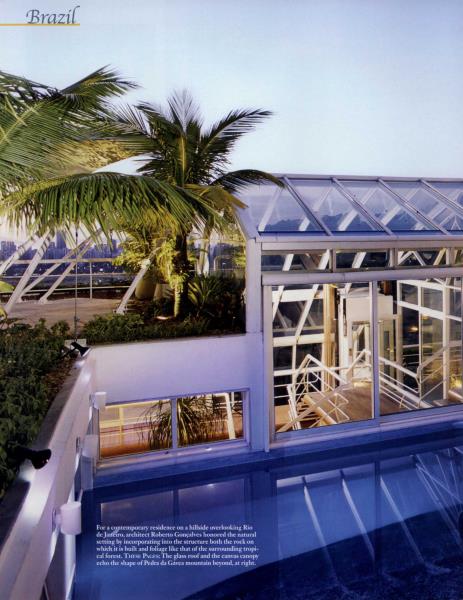
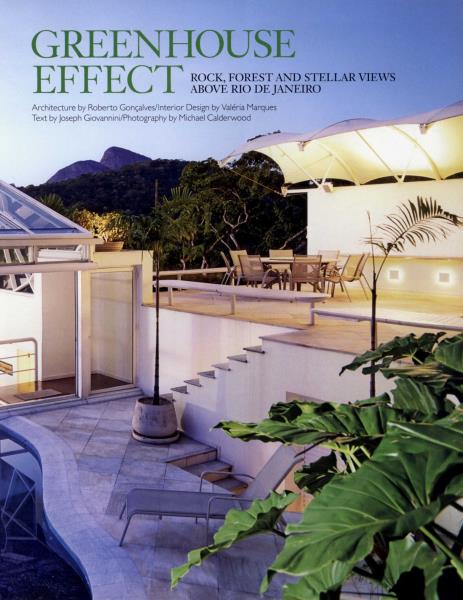
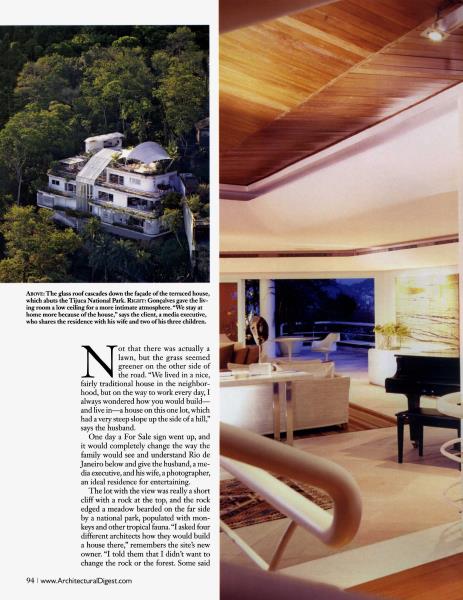
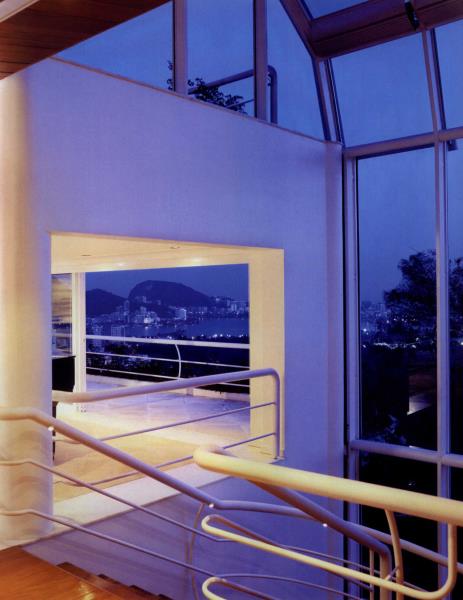
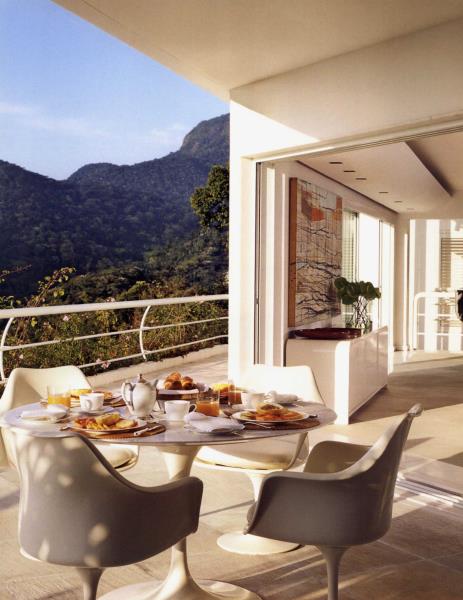
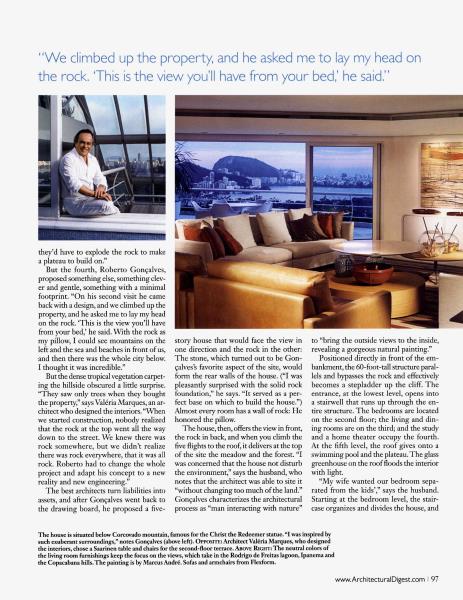
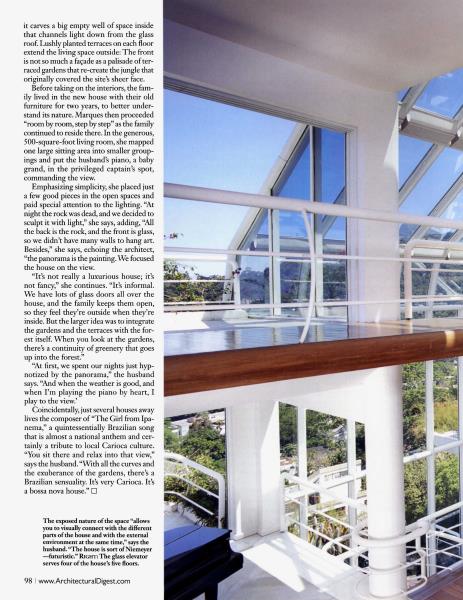
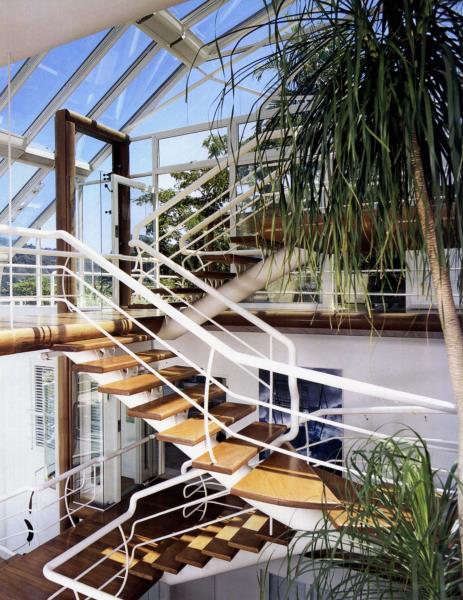
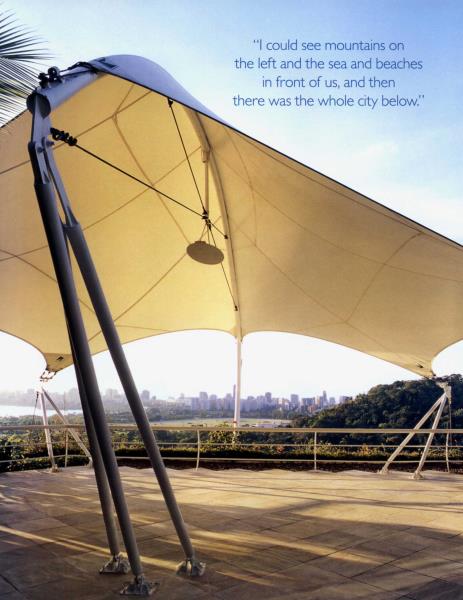
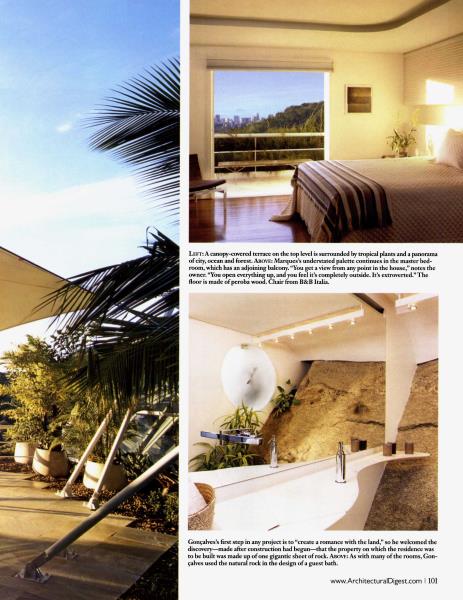
OriginalA modernist greenhouse perched above Rio, where architecture is the spectacle and the panorama is the art collection. The interiors are deliberately emptied out — spare white volumes under cascading glass — so that rock, forest, and city become the decoration. It's a bossa nova house: structurally bold but emotionally relaxed, more about the view from the bed than the brand on the chair.
Run AA transparent crystal ship perched on a cliff above Rio, where the architecture is the main event and the interiors deliberately recede. The glass greenhouse structure frames Corcovado, Ipanema, and the Tijuca forest as living paintings, while the spare, cool interiors feel almost provisional — a family camping luxuriously inside a piece of land art. It's a bossa nova house: rhythmically complex in structure, deceptively casual in presentation.
Run BA crystalline aerie above Rio de Janeiro that treats the city's panorama as its primary artwork. The five-story glass greenhouse cascading down volcanic rock is architecturally audacious but deliberately under-furnished — Valéria Marques's spare interiors defer entirely to the view, making this less a decorated home than an inhabited observation deck. It's a bossa nova house: sensual in its curves and openness, but cool in its materials.
AnalysisNear-perfect agreement with a single split on Curation (3→4). Two retests converge on the revised score, suggesting the original may have been the outlier.

Test–Retest: 27

Page 126Page 127Page 128Page 129Page 130Page 131Page 132Page 133
#6021Rob Morrow and Debbon AyerEbb and Flow
AD 2010-128/9
RUNGrandeurMate.Maxi.Hist.Prov.Hosp.Form.CurationThea.
Original353123232
Run A353123232
Run B34-13123232
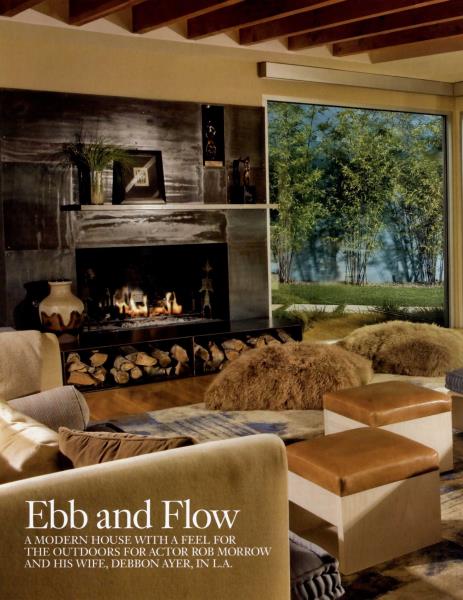
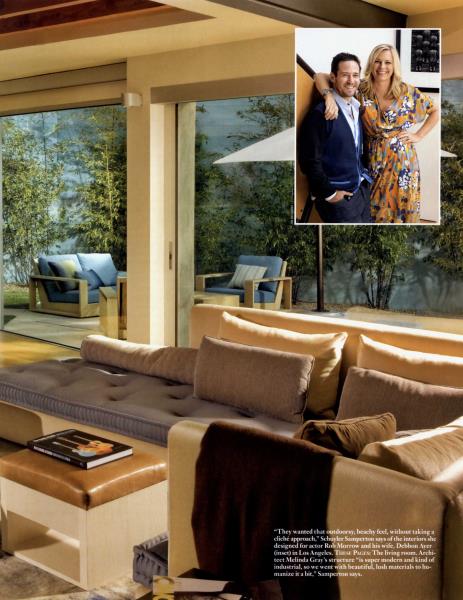
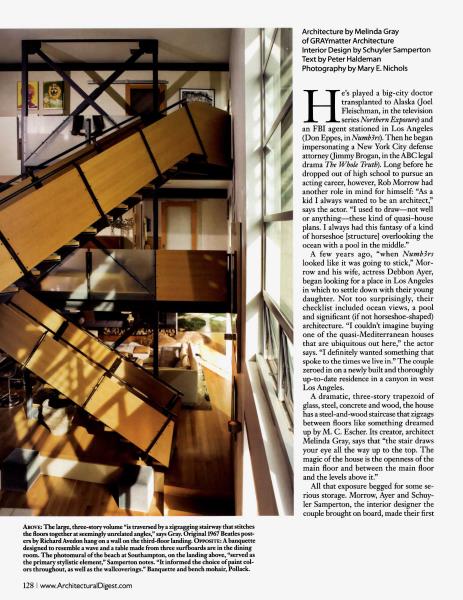
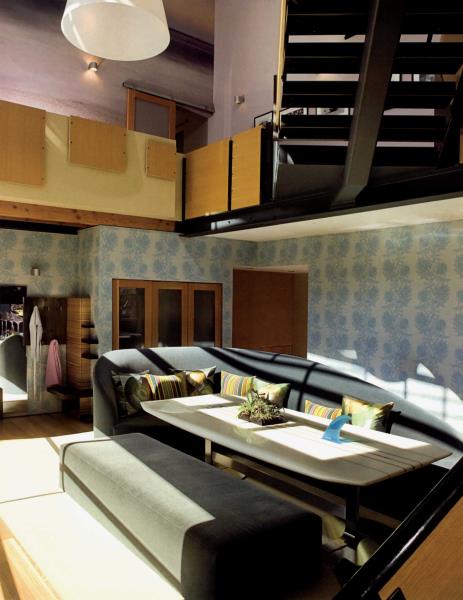
OriginalA modern canyon house that disguises its architectural ambition under layers of warmth — sheepskins, firewood, and hot-rolled steel conspire to make glass-and-concrete feel like a lodge. The Samperton interiors pull beach-palette colors from a blown-up Southampton photograph without ever going coastal-cliché. It's a home that wants to be barefoot and cozy despite its three-story Escher staircase.
Run AA modern canyon house that refuses to feel cold. Steel-and-glass architecture deliberately softened with sheepskin, leather, and a palette drawn from sand, sea, and sky — the beach aesthetic without a single cliché. Morrow's personal collections (vintage cameras, comic art, a telescope aimed at the canyon) anchor it as a home rather than a showpiece.
Run BA modern canyon house that deploys warm, tactile materials — sheepskin, darkened steel, stacked firewood — to humanize an ambitious glass-and-steel architecture. The interiors resist the cold minimalism typical of L.A. modernism, achieving what Morrow calls 'cozy despite its modernness,' with organically patterned wallpaper and a beach-derived color palette grounding the three-story volume. It's a Hollywood actor's home that reads more like a well-appointed surf lodge than a celebrity showcase.
AnalysisOnly Material Warmth breaks consensus — the original (5) holds while retests split (5/4), a classic boundary case.

Test–Retest: 28

Page 68Page 70Page 72
#6648Todd MerrillThere's No Place Like Home
AD 2018-048/9
RUNGrandeurMate.Maxi.Hist.Prov.Hosp.Form.CurationThea.
Original334233343
Run A334232-1343
Run B334232-1343
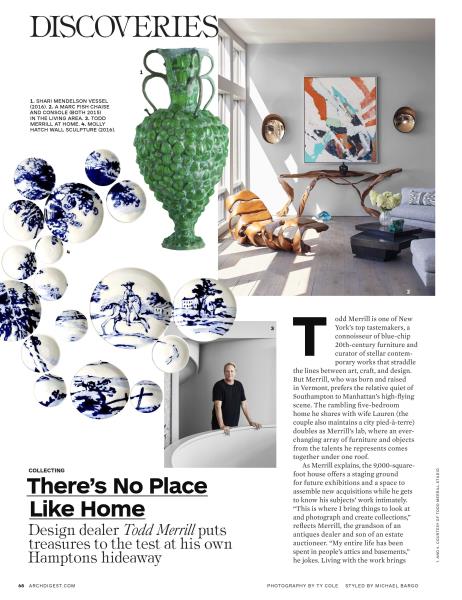
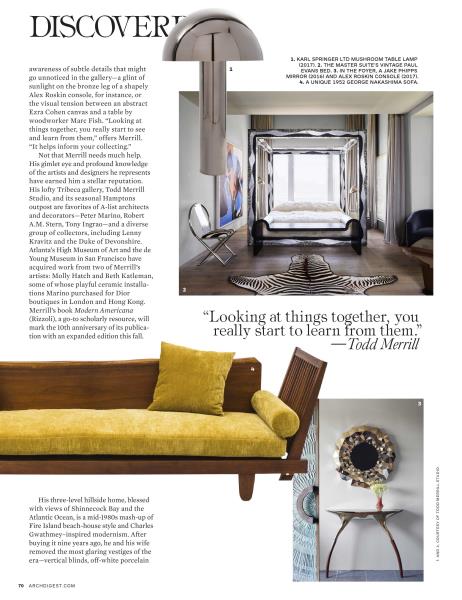
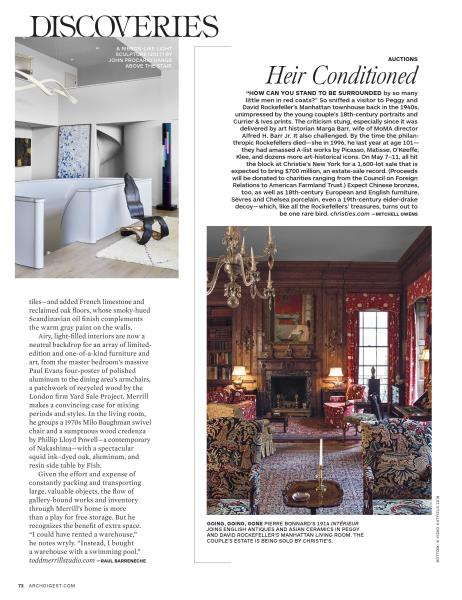
OriginalA dealer's laboratory disguised as a beach house. Todd Merrill uses his Hamptons retreat as a rotating showroom where museum-quality contemporary craft objects — ceramic installations, sculptural vessels, limited-edition furniture — stage themselves against a deliberately neutral mid-century modernist shell. The curation is professional and intentional, but the warmth of reclaimed oak floors and the casual beach-house bones keep it from tipping into gallery sterility.
Run AA dealer's laboratory disguised as a beach house. Todd Merrill uses his Hamptons home as a staging ground where blue-chip 20th-century design and contemporary craft rotate through in curated conversation — more showroom than sanctuary, but with enough warmth in the reclaimed oak and lived-in scale to keep it from feeling clinical. The maximalism is coherent and professional, every object earning its place through expertise rather than excess.
Run BA dealer's working laboratory disguised as a beach house. Todd Merrill rotates museum-quality contemporary craft and mid-century icons through a relaxed Hamptons shell, treating his home as both staging ground and personal testing chamber. The density is professional, not performative — every object earns its place through his connoisseur's eye rather than a decorator's arrangement.
AnalysisNear-perfect agreement with a single split on Hospitality (3→2). Two retests converge on the revised score, suggesting the original may have been the outlier.

Test–Retest: 29

Page 102Page 103Page 104Page 105Page 106Page 107Page 108Page 109Page 110Page 111
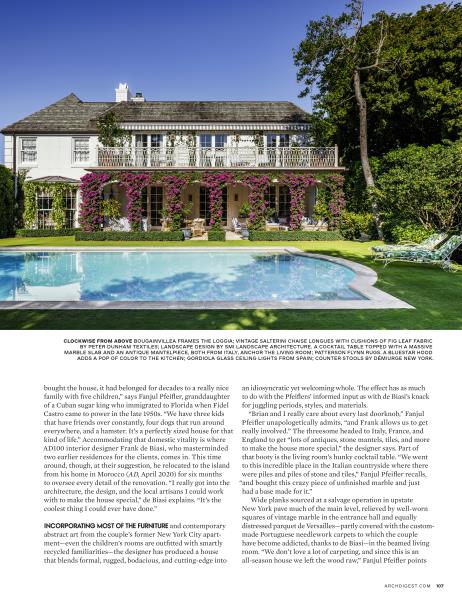
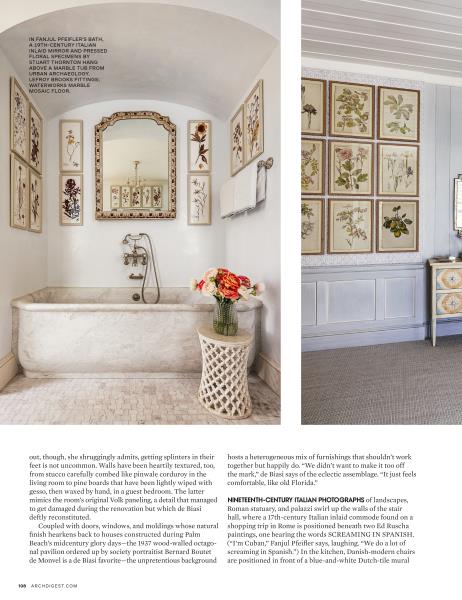
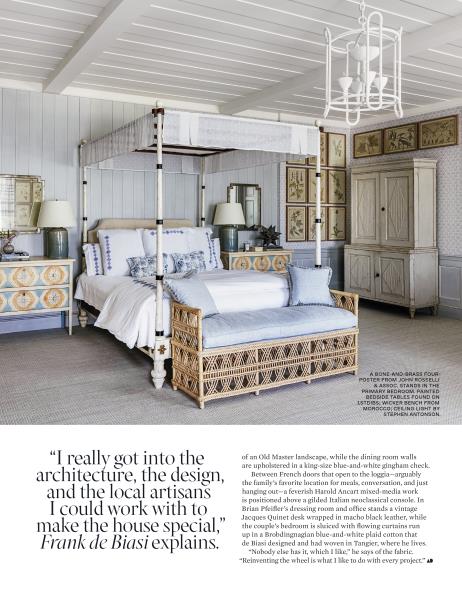
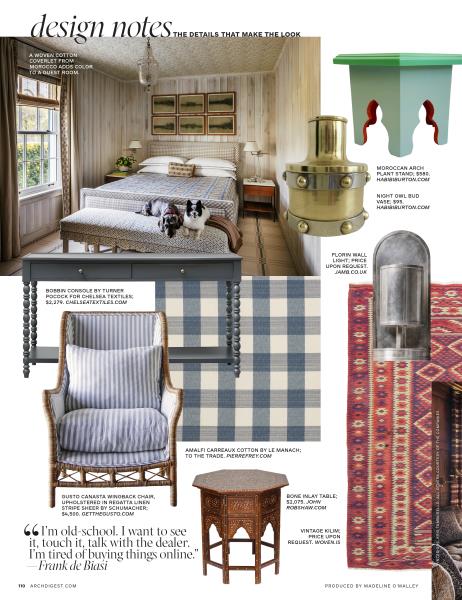
#6941Emilia Fanjul PfeiflerA NEW LEAF
AD 2022-078/9
RUNGrandeurMate.Maxi.Hist.Prov.Hosp.Form.CurationThea.
Original454444242
Run A454444242
Run B4544443+142
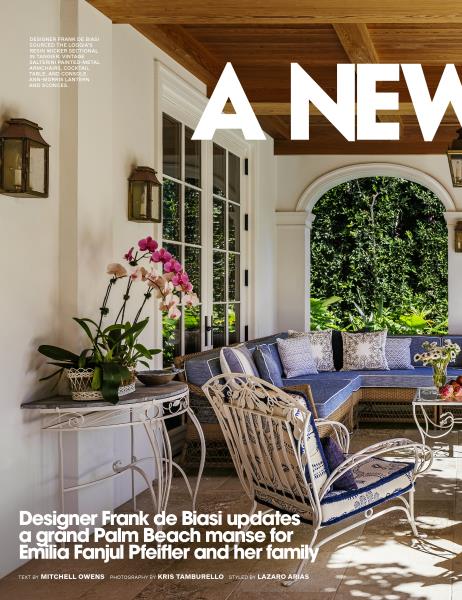
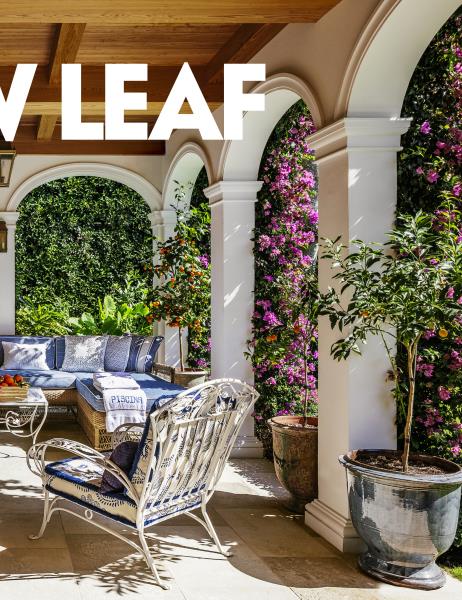
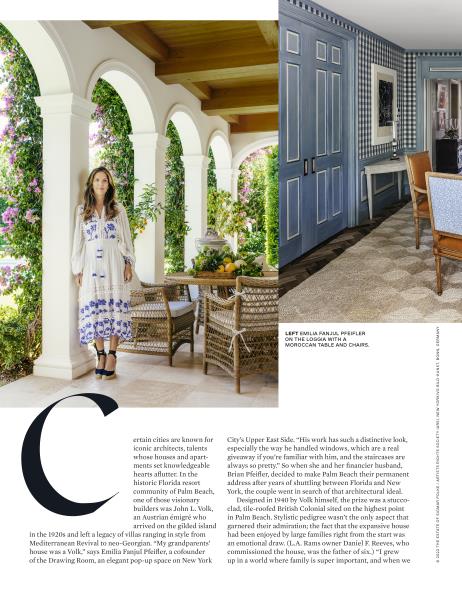
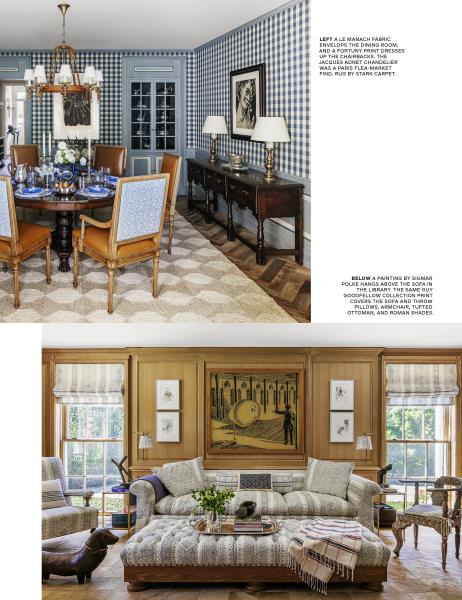
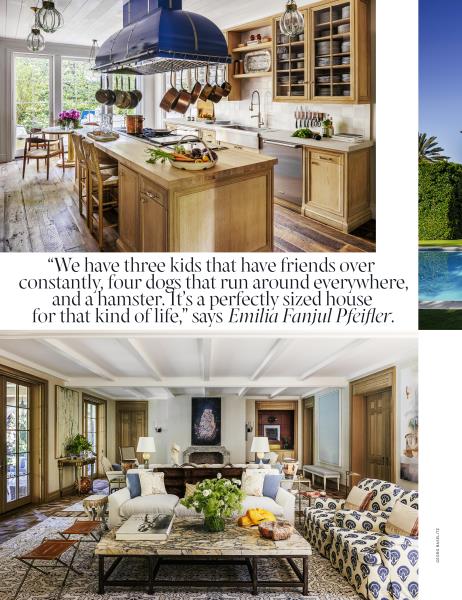
OriginalPalm Beach British Colonial brought to vivid life through a curator's eye and a family's chaos. The blue-and-white gingham, wicker, and salvaged marble create a coherent vision of genteel tropical living that's been deliberately roughed up—splinters in the pine floors, dogs on the furniture, kilims layered over distressed parquet. It's old money aspiration executed with genuine taste and real lived-in warmth.
Run APalm Beach grandeur domesticated by dogs, splinters, and genuine flea-market obsession. De Biasi layers blue gingham, Guy Goodfellow prints, and Moroccan textiles over Volk's 1940 Colonial bones to produce a house that reads as inherited even when it was just renovated. The effect is aristocratic ease without performance—old Florida money that prefers raw wood floors to polished marble.
Run BPalm Beach British Colonial with the soul of a well-traveled European country house. De Biasi layers gingham, botanical prints, and flea-market antiques over Volk's 1940 bones to create something that feels inherited rather than installed — the raw wood floors and four dogs ensure nothing stays precious for long. It's maximalist collecting disciplined by a strict blue-and-white palette that transforms density into warmth.
AnalysisOnly Formality breaks consensus — the original (2) holds while retests split (2/3), a classic boundary case.

Test–Retest: 30

Page 108Page 109Page 110Page 111
#6974Adam PendletonMAKING SPACE
AD 2022-128/9
RUNGrandeurMate.Maxi.Hist.Prov.Hosp.Form.CurationThea.
Original321111332
Run A321111332
Run B32112+11332
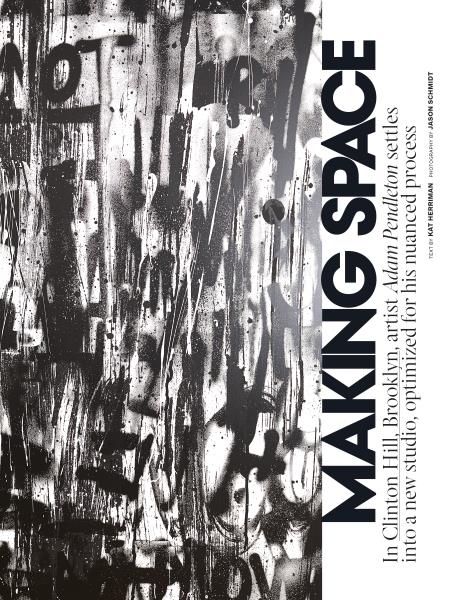
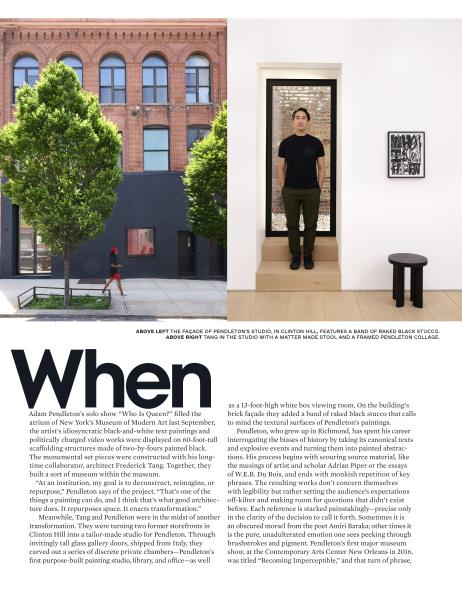
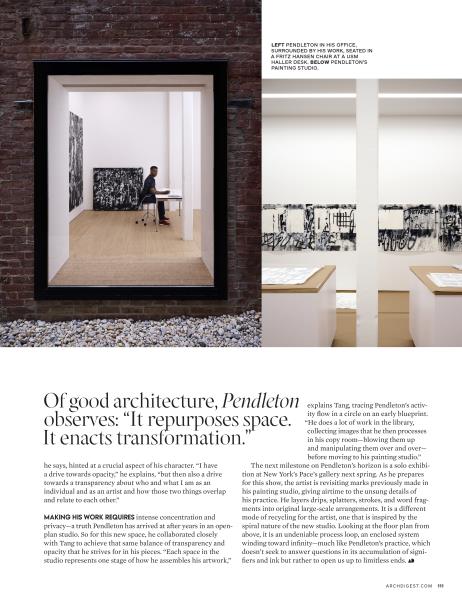
OriginalA purpose-built machine for art-making: spare, monochromatic, and architecturally rigorous. The studio mirrors Pendleton's black-and-white painting practice in its materiality — raked black stucco outside, white cube volumes inside — collapsing the boundary between the work and the space that produces it. Privacy and process trump spectacle at every turn.
Run AA purpose-built creative machine disguised as a Clinton Hill storefront. The monochromatic severity — raked black stucco outside, white gallery chambers inside — mirrors Pendleton's own black-and-white paintings, making the studio itself an extension of the work. Every room is calibrated for process, not presentation; this is a space that exists to make things, not to be seen.
Run BA purpose-built creative machine: cool, spare, and calibrated for an artist who needs both transparency and opacity in his process. The gallery-white interiors and raked-black facade are extensions of Pendleton's black-and-white practice, not decoration. Every room exists as a station in a deliberate workflow — this is a studio that thinks like its occupant's paintings.
AnalysisOnly Provenance breaks consensus — the original (1) holds while retests split (1/2), a classic boundary case.

Test–Retest: 31

Page 98Page 99Page 100Page 101Page 102Page 103
#7021Vannier JacobsFAMILY STYLE
AD 2023-078/9
RUNGrandeurMate.Maxi.Hist.Prov.Hosp.Form.CurationThea.
Original332123242
Run A332123242
Run B3322+123242
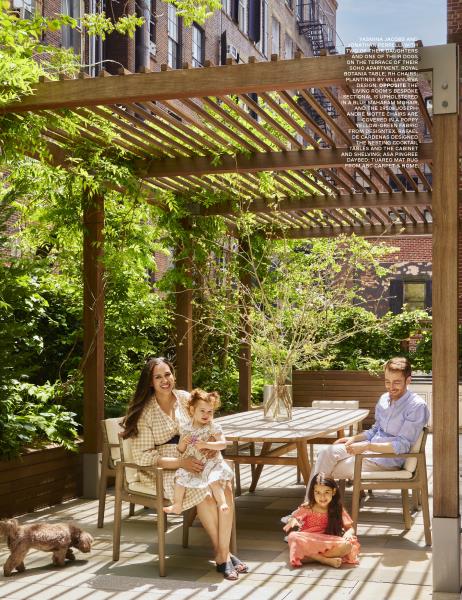
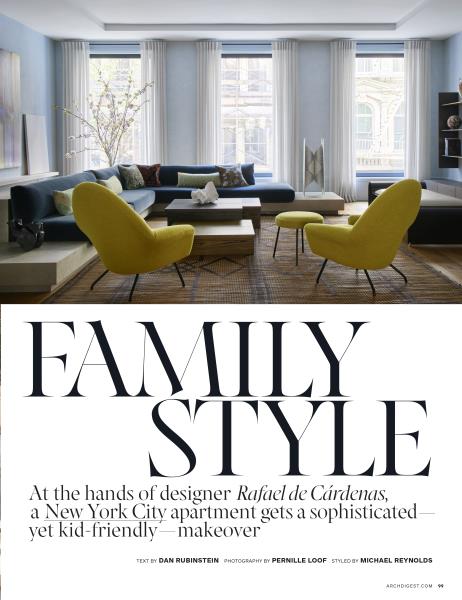
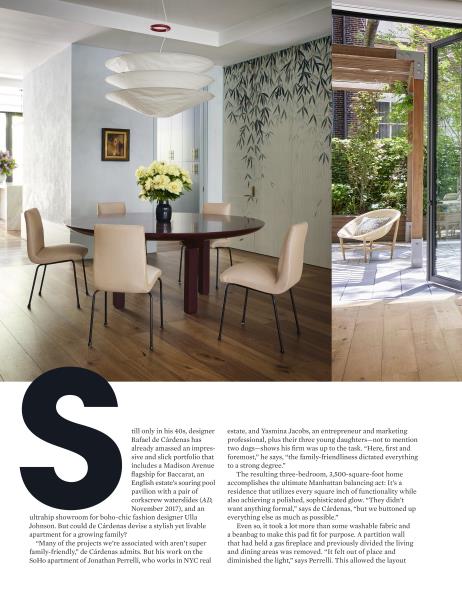
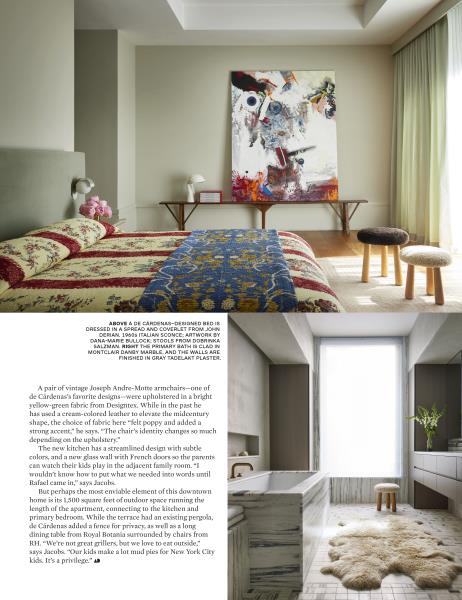
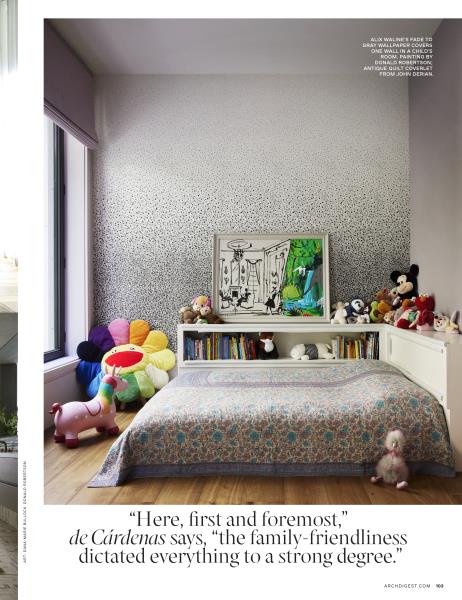
OriginalA polished downtown family apartment where Rafael de Cárdenas's editorial precision gets softened by the reality of three kids and two dogs. The cool blue-gray palette and carefully placed midcentury accents read as sophisticated containment — everything buttoned up but designed to be touched. The 1,400-square-foot terrace is the real flex, turning a Manhattan apartment into something approaching a house.
Run AA buttoned-up family apartment that manages the Manhattan trick of looking polished while being genuinely kid-proof. De Cárdenas deployed quiet designer pieces and washable everything to create sophistication that doesn't flinch at mud pies. The 1,400-square-foot terrace is the real flex — outdoor living room-scale space in downtown New York, casually presented under a vine-draped pergola.
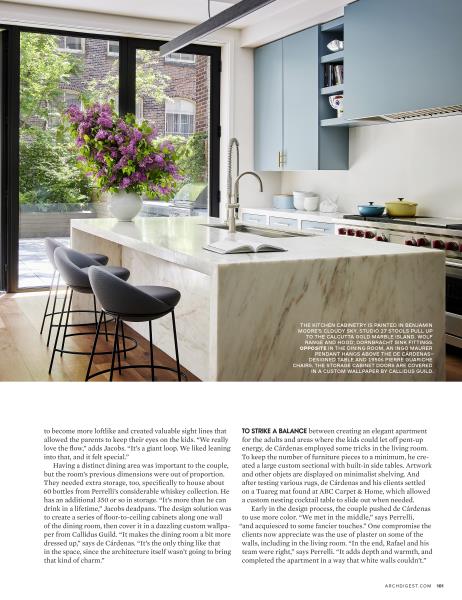
Run BA sophisticated Manhattan family apartment where designer polish is deliberately softened for kid-proof reality. De Cárdenas delivers composed, editorial rooms — the yellow armchairs perfectly flanking the sectional, the marble island commanding the kitchen — but the stuffed animals, washable fabrics, and terrace mud pies keep it honest. It's the rare AD feature where the design serves the family rather than the other way around.
AnalysisOnly Historicism breaks consensus — the original (1) holds while retests split (1/2), a classic boundary case.

Test–Retest: 32

Page 35Page 36Page 38
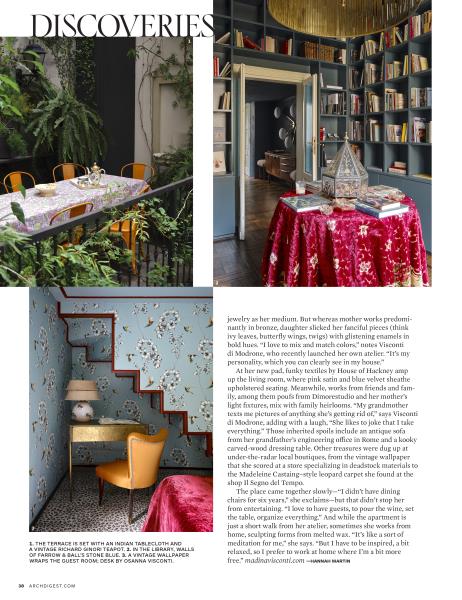
#7077Madina Visconti di ModroneAD VISITS Jewel Box
AD 2024-048/9
RUNGrandeurMate.Maxi.Hist.Prov.Hosp.Form.CurationThea.
Original445444222
Run A44545+14222
Run B445444222
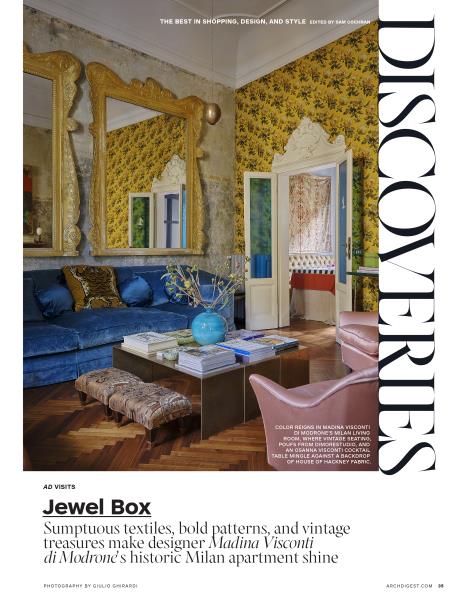
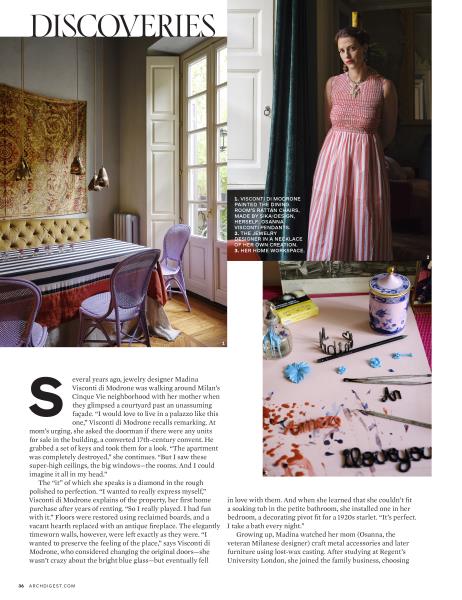
OriginalA Milanese jewel box where aristocratic bones meet a young designer's chromatic fearlessness. The 17th-century convent walls were left deliberately timeworn while House of Hackney florals, grandmother's castoffs, and flea-market deadstock pile up in joyful, coherent maximalism. This is inherited provenance dressed in personal exuberance — not performing wealth, but living loudly inside it.
Run AA Milanese jewelry designer's palazzo apartment where genuine aristocratic provenance meets exuberant personal taste — grandmother's hand-me-downs layered with flea-market deadstock wallpaper and House of Hackney textiles in a 17th-century convent she deliberately left unpolished. The maximalism is entirely self-directed: six years without dining chairs but every wall singing with pattern, a jewel box assembled by someone who trusts her own eye more than any decorator's.
Run BA young Milanese aristocrat's jewel box where inherited palazzo bones meet flea-market fearlessness. Pattern clashes with pattern in a way that feels genuinely accumulated rather than styled — grandmother's castoffs next to deadstock leopard carpet, all held together by a maximalist's unerring color instinct. The grandeur is real but unperformed; she didn't have dining chairs for six years and didn't care.
AnalysisOnly Provenance breaks consensus — the original (4) holds while retests split (5/4), a classic boundary case.

Test–Retest: 33

Page 112Page 113Page 114Page 115Page 116Page 117Page 118Page 119Page 120Page 121Page 122Page 123
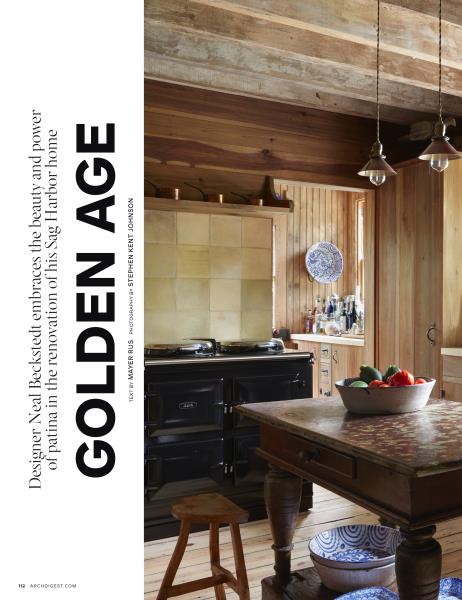
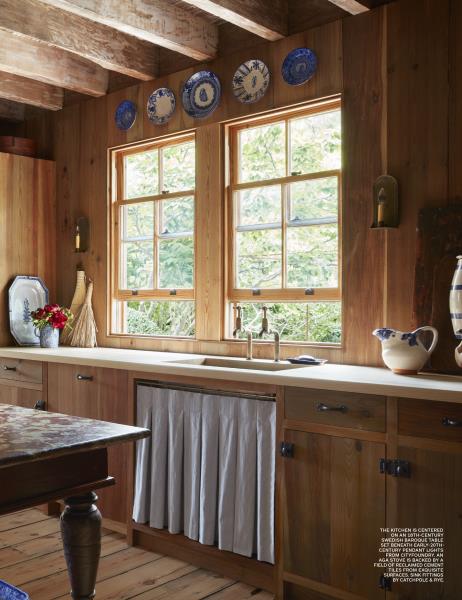
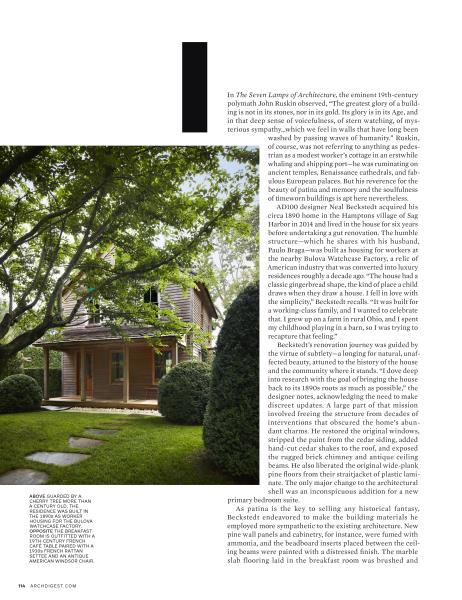
#7158Neal BeckstedtGOLDEN AGE
AD 2025-058/9
RUNGrandeurMate.Maxi.Hist.Prov.Hosp.Form.CurationThea.
Original254442131
Run A25444214+11
Run B254442131
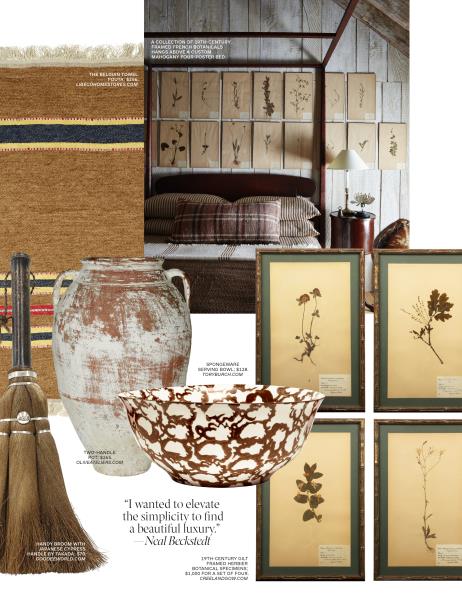
OriginalA designer's deeply personal archaeology of a humble 1890s worker's cottage, where every intervention was a subtraction rather than an addition. The warmth is almost overwhelming — copper, cedar, pine, linen, wicker — layered with a polyglot collection of antiques that never announces its pedigree. This is wealth expressed as the discipline of restraint, a barn-raised childhood remembered through French luminaries and Swedish cupboards.
Run AA designer's personal archaeology project: a humble 1890s factory worker's cottage stripped to its bones and re-layered with genuinely aged materials and a polyglot collection of antiques that never announces its sophistication. The patina is both real and cultivated — acid-washed marble, weathered copper, reclaimed tile — producing a home that feels like it has been slowly loved for a century rather than renovated last year. Rural Ohio nostalgia filtered through a Parisian flea-market eye.
Run BA designer's love letter to working-class American vernacular, elevated with a connoisseur's eye but never betraying its humble bones. The patina is partly earned, partly orchestrated, but the effect is seamless — a farmhouse that smells like cedar and old books. Beckstedt proves that restraint and warmth are their own form of luxury, producing a home that feels inherited even when it was meticulously assembled.
AnalysisOnly Curation breaks consensus — the original (3) holds while retests split (4/3), a classic boundary case.

Test–Retest: 34

Page 140Page 141Page 142Page 143Page 144Page 145Page 146Page 147
#7298Malcolm Forbes / Christopher 'Kip' ForbesForbes Trinchera Ranch
AD 1988-068/9
RUNGrandeurMate.Maxi.Hist.Prov.Hosp.Form.CurationThea.
Original354443122
Run A3544432+122
Run B3544432+122
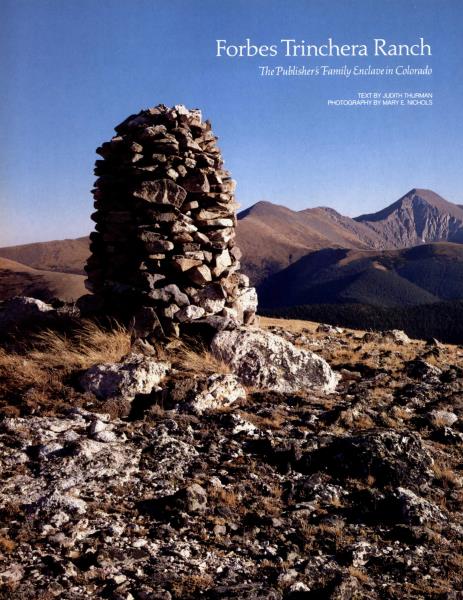
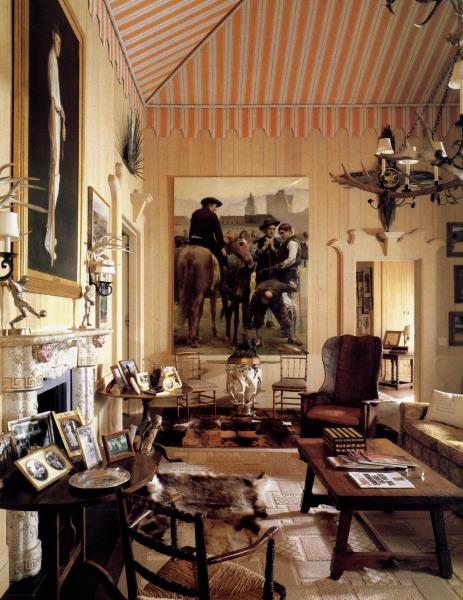
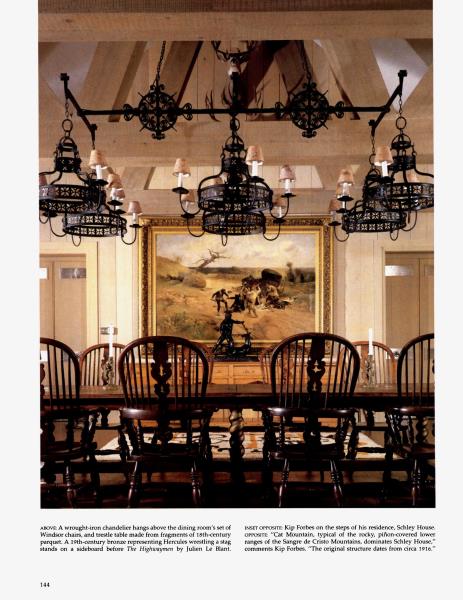
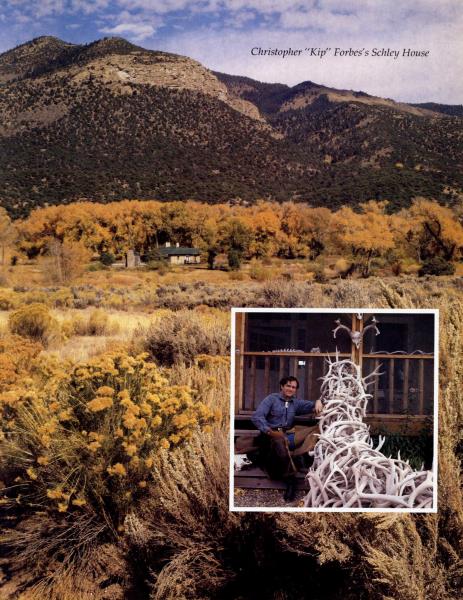
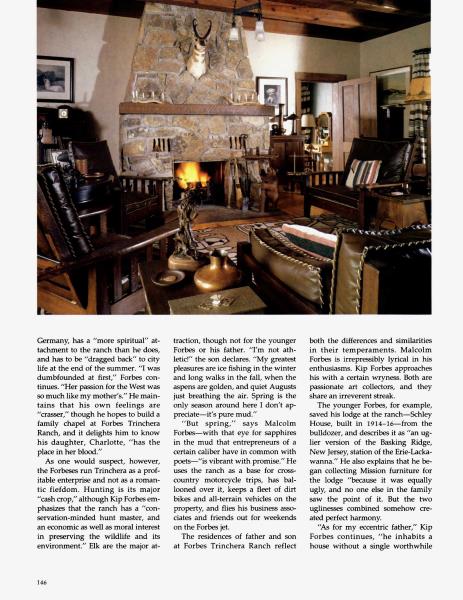
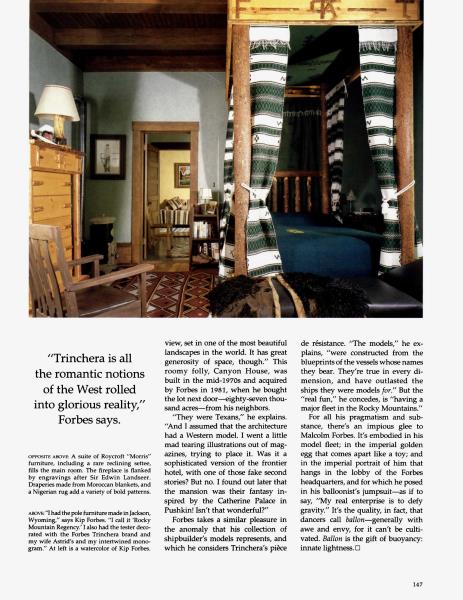
OriginalA dynasty's wilderness retreat where capitalist ambition dissolves into frontier romanticism. The interiors are maximalist Western lodges — cowhide, antlers, bronzes, genre paintings — accumulated with genuine collector's obsession rather than decorator's calculation. 'Trinchera is all the romantic notions of the West rolled into glorious reality,' and the rooms believe it completely.
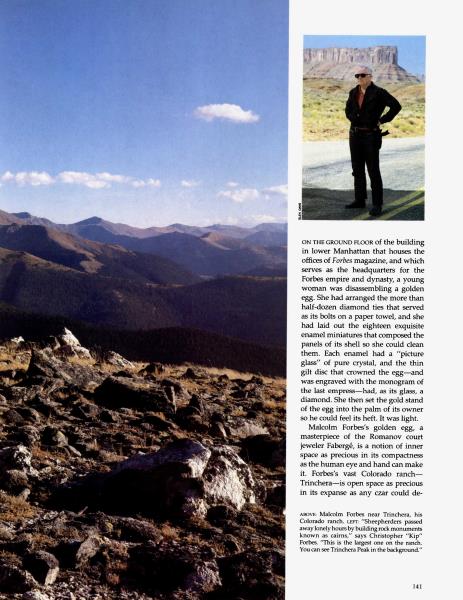
Run AA publisher's frontier fantasy made real by genuine commitment — rescued buildings, personally collected Mission furniture nobody else wanted, and shed antlers piled on the porch. The quarter-million-acre ranch is the Forbes family's antidote to Manhattan, where Western genre paintings and cowhide rugs aren't decorating choices but evidence of a family that actually rides, hunts, and fishes this land. Two ugliness-loving eccentrics found each other: Kip Forbes and the Schley House.
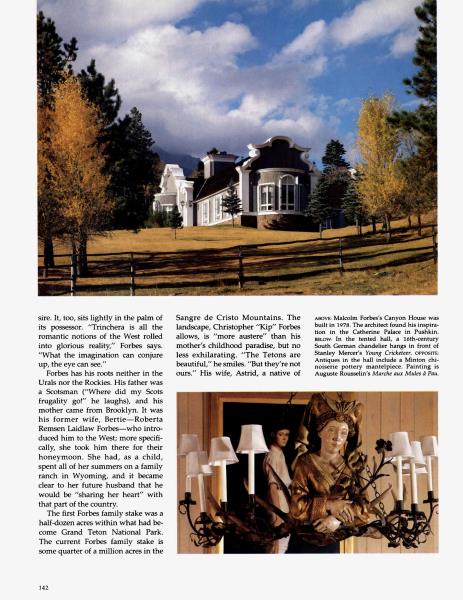
Run BA dynastic Western retreat where inherited eccentricity trumps editorial polish. The Forbes family has layered cowboy romanticism, Russian imperial whimsy, and genuine frontier artifacts into spaces that feel accumulated rather than designed — the Catherine Palace-inspired Canyon House sitting in the Sangre de Cristos is gloriously absurd and completely sincere. This is wealth deployed in service of a personal fantasy of the American West, not for anyone else's approval.
AnalysisNear-perfect agreement with a single split on Formality (1→2). Two retests converge on the revised score, suggesting the original may have been the outlier.

Test–Retest: 35

Page 154Page 155Page 156Page 157Page 158Page 159Page 160Page 161
#7334UnknownBold Symmetry Over Central Park
AD 1988-118/9
RUNGrandeurMate.Maxi.Hist.Prov.Hosp.Form.CurationThea.
Original434434454
Run A43442-14454
Run B434434454
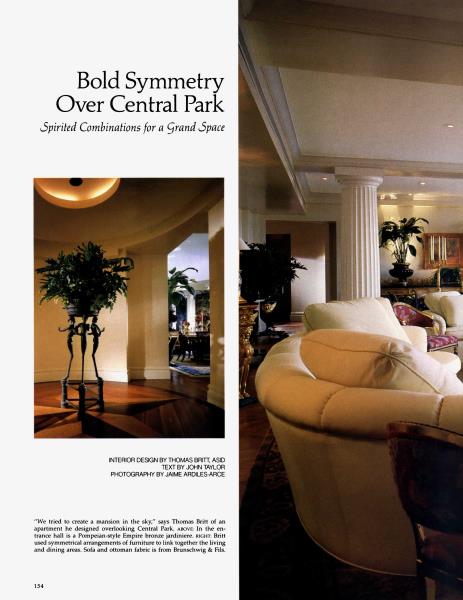
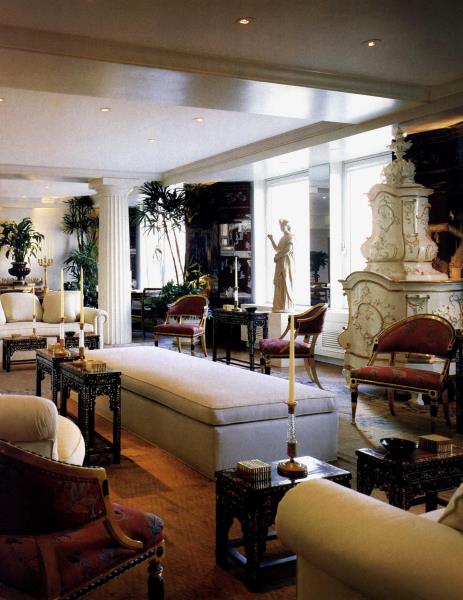
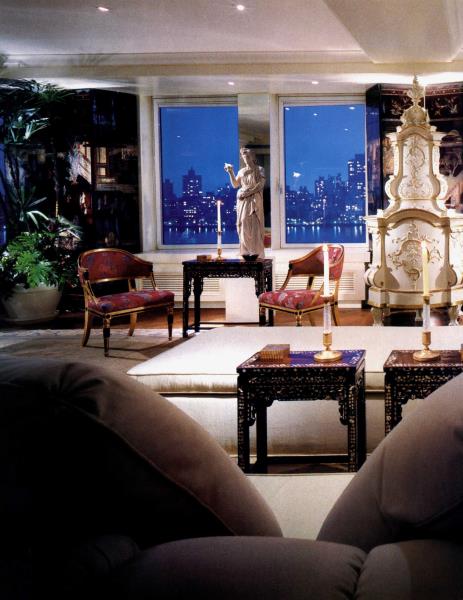
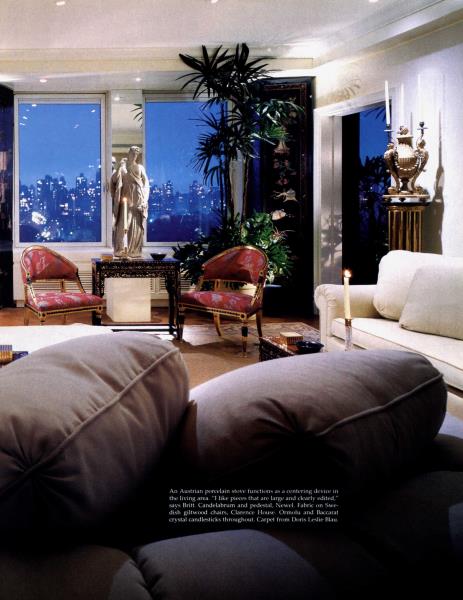
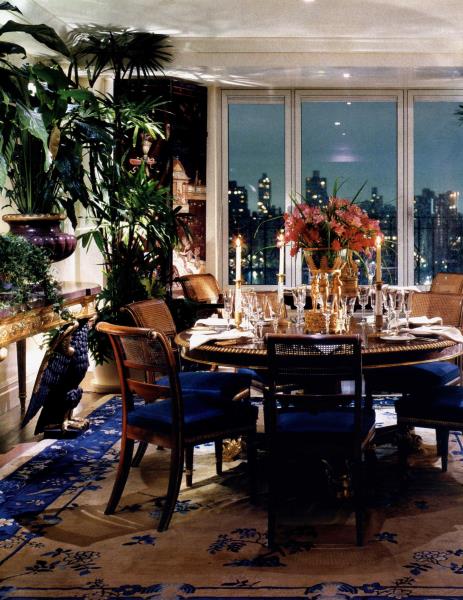
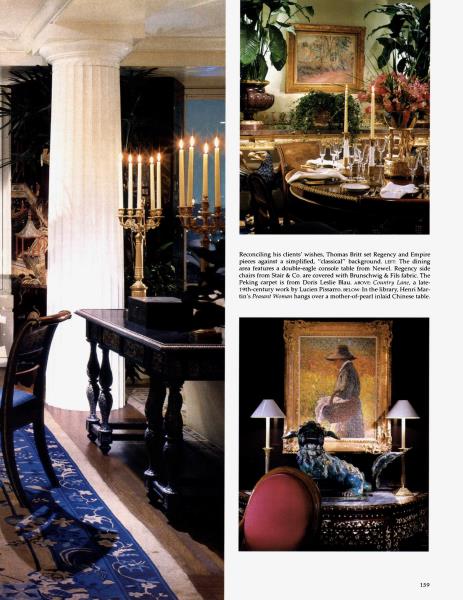
OriginalA designer's grand gesture played out fifty feet above Central Park — Regency and Empire furniture marshaled into strict symmetrical formations against Doric columns, with a twelve-foot Austrian porcelain stove as the theatrical anchor. The nighttime views turn the apartment into a stage set where candlelight, neoclassical statuary, and Coromandel screens perform for guests. Impressive and coherent, but unmistakably a decorator's vision rather than a life organically lived.
Run AA designer's grand symmetrical exercise that transforms a modern high-rise apartment into a Regency-Empire stage set over Central Park. The Austrian porcelain stove and Doric columns anchor a space where every object occupies a grid position—impressive, immaculate, and unmistakably performed. Britt's hand is everywhere; the owners' lives are nowhere.
Run BA designer's grand opera staged fifty feet above Central Park — Regency and Empire pieces marshaled into rigid symmetrical formations against Doric columns, with a twelve-foot Austrian porcelain stove as the improbable star. By day it's a classical salon; by night, with twenty-seven candles and the city skyline as backdrop, it becomes pure theater. Britt's hand is everywhere, and the owners are cast as residents of their own set piece.
AnalysisOnly Provenance breaks consensus — the original (3) holds while retests split (2/3), a classic boundary case.

Test–Retest: 36

Page 180Page 181Page 182Page 183Page 184Page 185Page 186Page 187
#7366Malcolm ForbesMalcolm Forbes in Fiji
AD 1989-028/9
RUNGrandeurMate.Maxi.Hist.Prov.Hosp.Form.CurationThea.
Original354345132
Run A354345133+1
Run B354345133+1
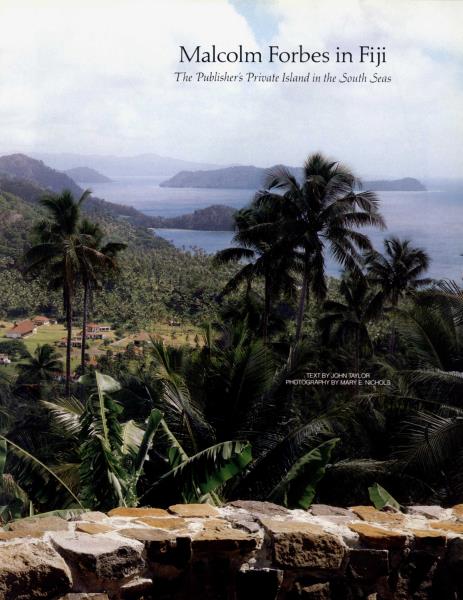
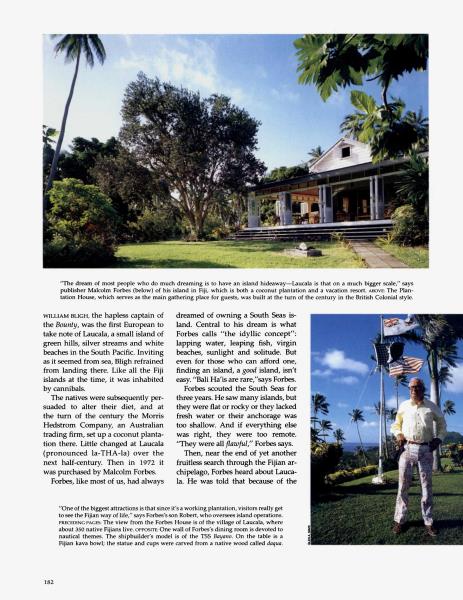
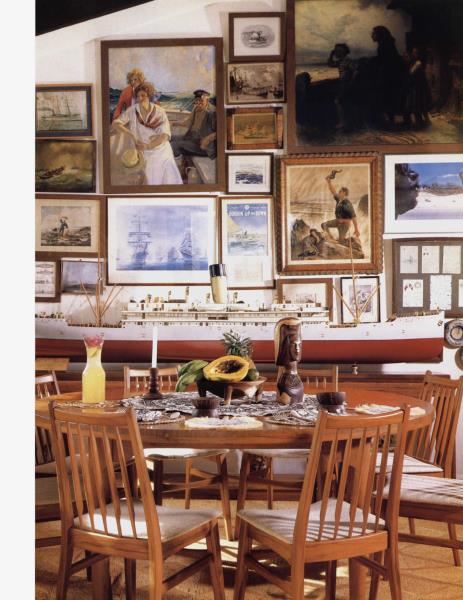
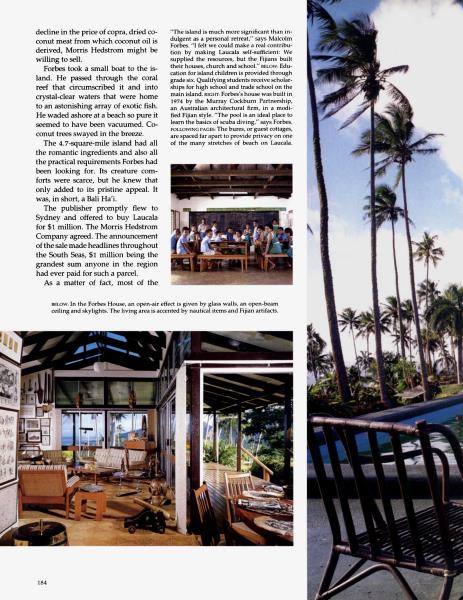
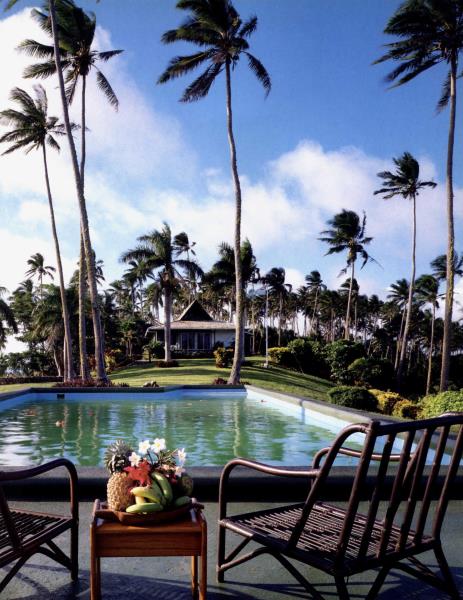
OriginalA billionaire's private island that reads more like a working coconut plantation than a trophy estate. The nautical art salon wall is the one room of collector's intensity, while everything else surrenders to coconut palms, open timber, and the unhurried rhythms of Fijian village life. Forbes bought paradise and had the restraint to leave it largely as he found it.
Run AA tycoon's tropical compound where the collector's instinct runs wild against thatched roofs and palm canopies. The nautical art salon-hung floor-to-ceiling in a Fijian dining room is the tell — Forbes brought his obsessions to the end of the earth and let the island absorb them. More plantation than palace, more personal retreat than performance, but the $1 million headline purchase betrays a man who wanted you to know he had his own island.
Run BA billionaire publisher's tropical compound that feels more like a working coconut plantation than a mogul's vanity project. The salon-hung nautical paintings and ship models betray the collector's obsessive personality, while the thatched bures and open-air architecture defer entirely to the island's lush setting. It's the rare private island that prioritizes community — 300 native Fijians live here — over exclusion.
AnalysisNear-perfect agreement with a single split on Theatricality (2→3). Two retests converge on the revised score, suggesting the original may have been the outlier.

Test–Retest: 37

Page 118Page 119Page 120Page 121Page 122Page 123Page 124Page 125
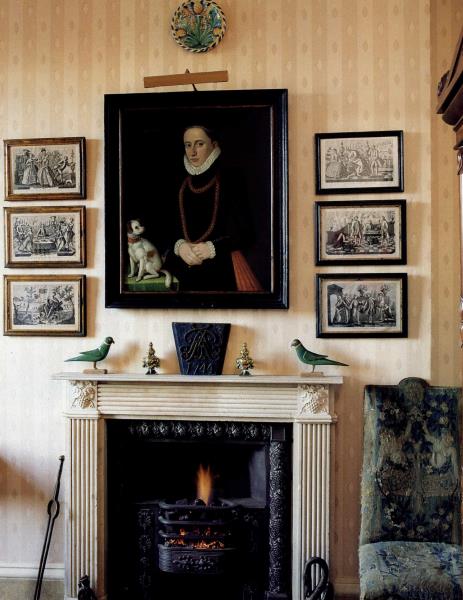
#7454Tristram JellinekTheatrical Menagerie
AD 1989-128/9
RUNGrandeurMate.Maxi.Hist.Prov.Hosp.Form.CurationThea.
Original255452121
Run A2554522+121
Run B255452121
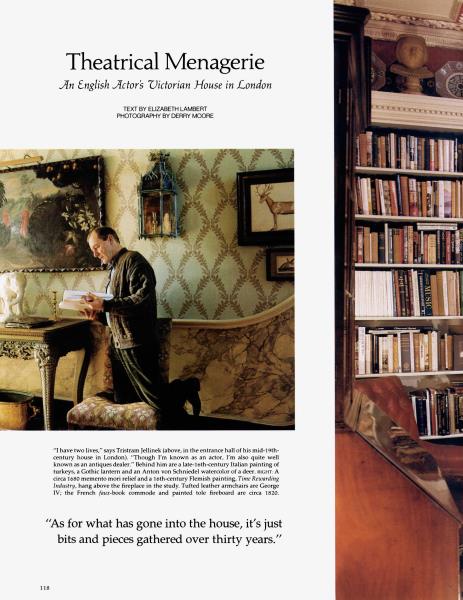
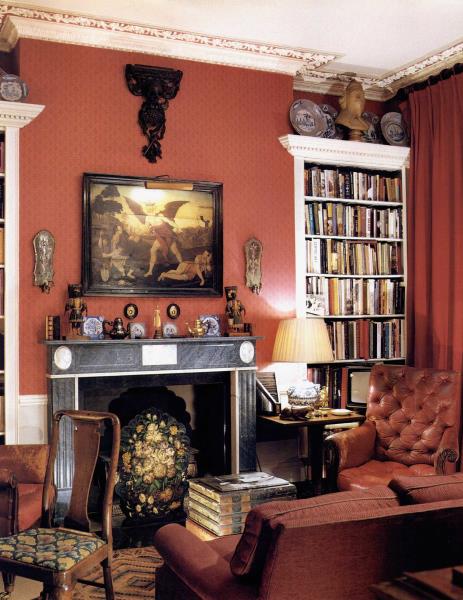
OriginalA Victorian actor's den where thirty years of auction-house finds have accreted into a deeply personal menagerie — painted turkeys, Noah's arks, a stuffed lion, and three live dogs all cohabiting in red-walled rooms of genuine warmth. Nothing was chosen to impress; everything was chosen because it delighted one man. The anti-decorator's decorator house: maximalist, coherent, and utterly unpretentious.
Run AA genuine collector's lair where thirty years of auction finds, antique dealing, and animal obsession have calcified into something richer than any decorator could fabricate. The dogs own the tufted leather as much as the owner does, and every surface tells a story only its inhabitant fully understands. Victorian in bones but bohemian in spirit — warmth without pretension, density without chaos.
Run BA genuine eccentric's accumulation: thirty years of auction finds unified by instinct rather than intention, where painted turkeys converse with Noah's arks and King Charles spaniels claim the best seats. The house is warm, cluttered, deeply personal, and completely indifferent to impressing anyone — Victorian in bones and spirit, with every room feeling like the private study of a man who'd rather read than entertain.
AnalysisOnly Formality breaks consensus — the original (1) holds while retests split (2/1), a classic boundary case.

Test–Retest: 38

Page 118Page 119Page 120Page 121Page 122Page 123Page 124Page 125Page 126Page 127
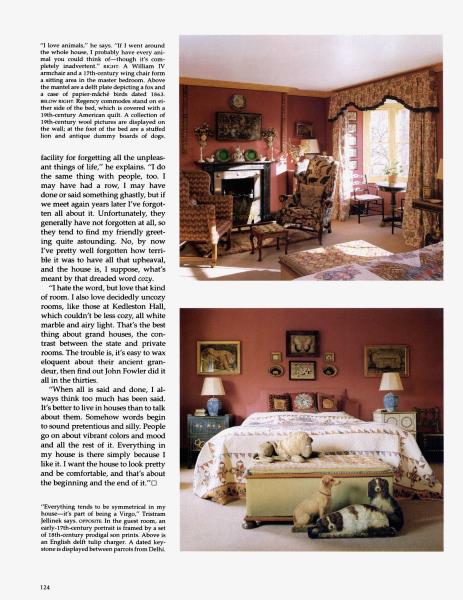
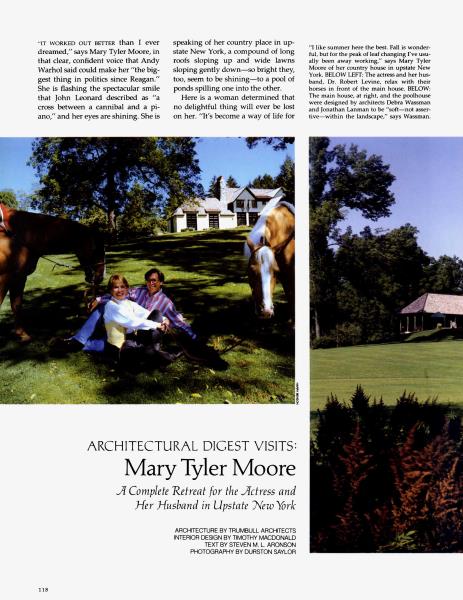
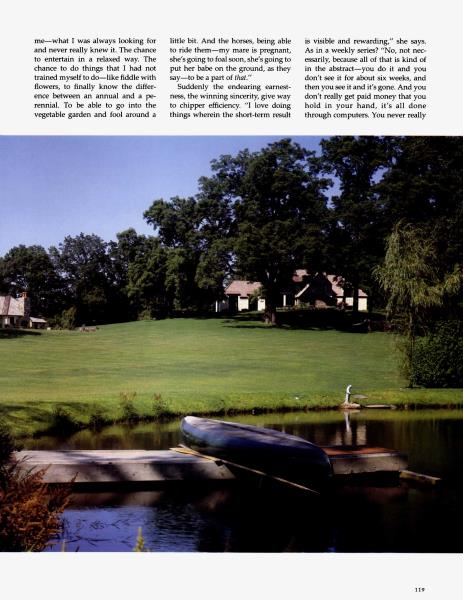
#7606Mary Tyler MooreMary Tyler Moore
AD 1991-068/9
RUNGrandeurMate.Maxi.Hist.Prov.Hosp.Form.CurationThea.
Original354442231
Run A354442232+1
Run B354442231
OriginalA Cotswold-by-way-of-the-Hudson-Valley retreat where plaster pigments glow like old frescoes and salvaged barn boards anchor rooms dense with folk art and family history. The dog-on-every-sofa ethos and Shaker-adjacent simplicity make this genuinely a place of retreat, not performance. Moore's collector's eye gives every surface life without ever tipping into museum preciousness.
Run AA celebrity's genuine country retreat where dogproof furniture and Civil War ancestor portraits share space with Shaker-inspired pieces and salvaged barn floors. The raspberry-pigmented walls and massive stone fireplaces create a Cotswold-meets-Americana warmth that feels personally accumulated rather than decorator-directed. This is wealth deployed for comfort and privacy, not performance.
Run BA Cotswold-inflected country retreat where folk art, ancestor portraits, and salvaged barn-board floors create the warmth of a home that's been lived in for generations even though it was recently assembled. The raspberry entrance hall and stone fireplace living room feel genuinely dogproof and personal — this is a celebrity home designed for the celebrity to disappear into, not to remind visitors who lives here. Every antique was chosen by someone who prowls shops for love, not provenance.
AnalysisOnly Theatricality breaks consensus — the original (1) holds while retests split (2/1), a classic boundary case.

Test–Retest: 39

Page 70Page 71Page 72Page 73Page 74Page 75
#7630UnknownA Manhattan Reformation
AD 1991-098/9
RUNGrandeurMate.Maxi.Hist.Prov.Hosp.Form.CurationThea.
Original344334443
Run A4+144334443
Run B344334443
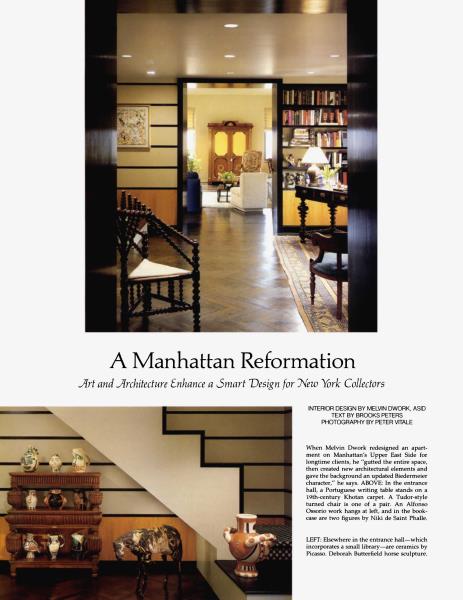
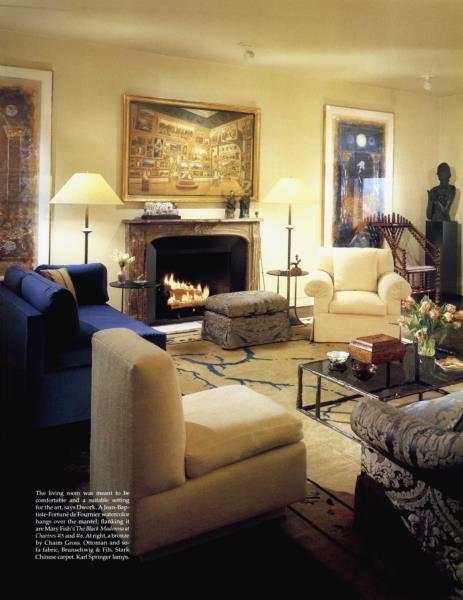
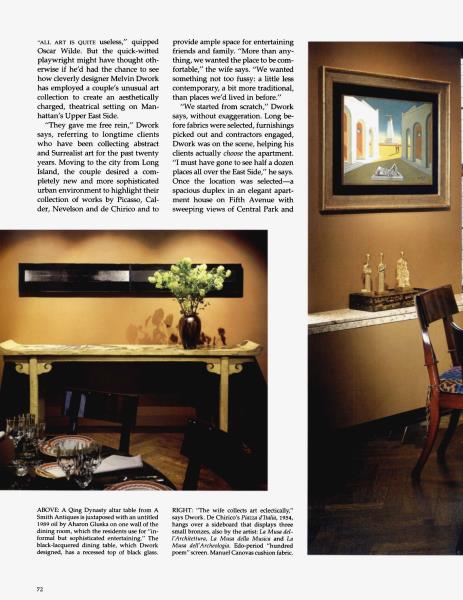
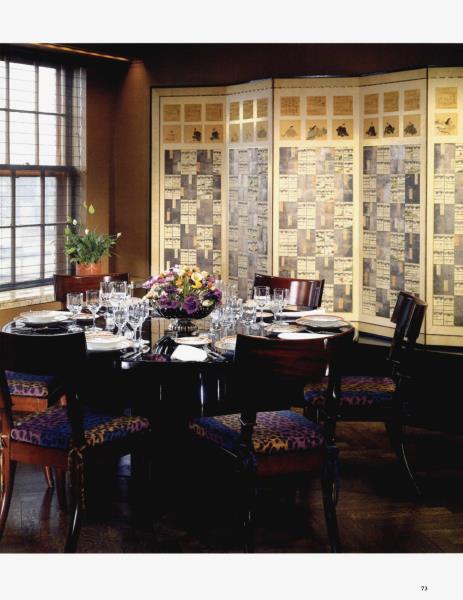
OriginalA serious collector's duplex where Surrealist masterworks and Asian antiques coexist in dark, Biedermeier-inflected rooms designed to feel both theatrical and intimate. Dwork's controlled palette of ebony, satinwood, and deep upholstery creates a stage for the art without competing with it. The formality is real but tempered by two decades of genuine accumulation — this is a home that earned its density.
Run AA serious collector's duplex where Surrealist paintings and museum-quality antiques coexist within a moody, Biedermeier-inflected shell of dark wood and ebony. Dwork's design is confident and layered — every room a composed gallery — but the twenty-year collection and worn-in comfort keep it from tipping into pure theater. Fifth Avenue address, art-world ambitions, dinner-party scale.
Run BA sophisticated collector's stage set where Surrealist masterworks and centuries of antiques perform against a dark, Biedermeier-inflected architectural envelope. Dwork gutted the Fifth Avenue duplex to create a theatrical backdrop that takes its art seriously — the de Chirico over the sideboard isn't decoration, it's the point. Warm, dense, and clubby, with the confidence of longtime collectors who know exactly what they like.
AnalysisOnly Grandeur breaks consensus — the original (3) holds while retests split (4/3), a classic boundary case.

Test–Retest: 40

Page 162Page 163Page 164Page 165Page 166Page 167
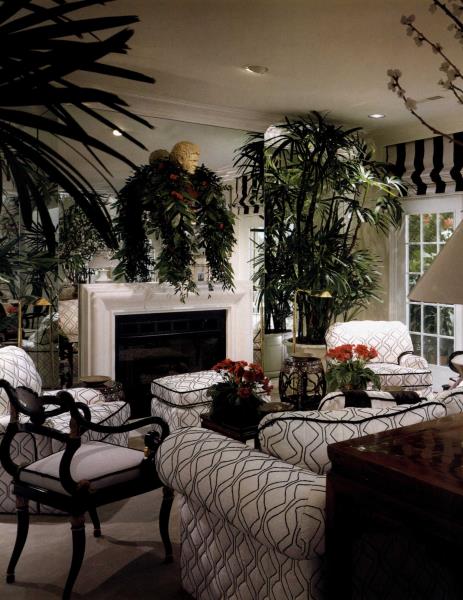
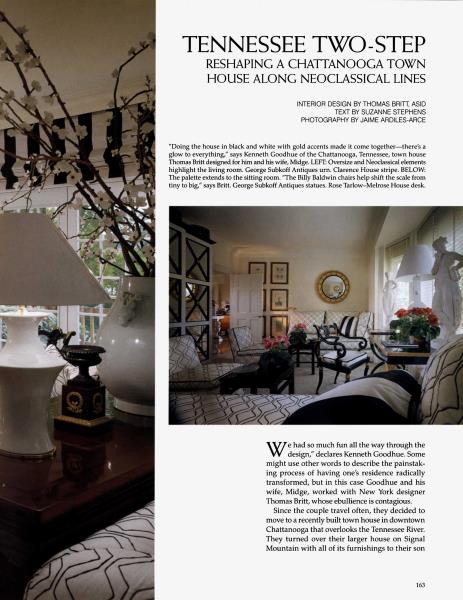
#7904Kenneth and Midge GoodhueTennessee Two-Step
AD 1994-058/9
RUNGrandeurMate.Maxi.Hist.Prov.Hosp.Form.CurationThea.
Original334423443
Run A334423443
Run B334424+1443
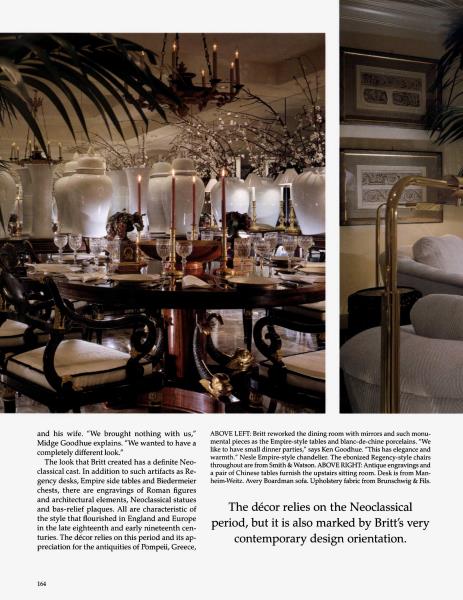
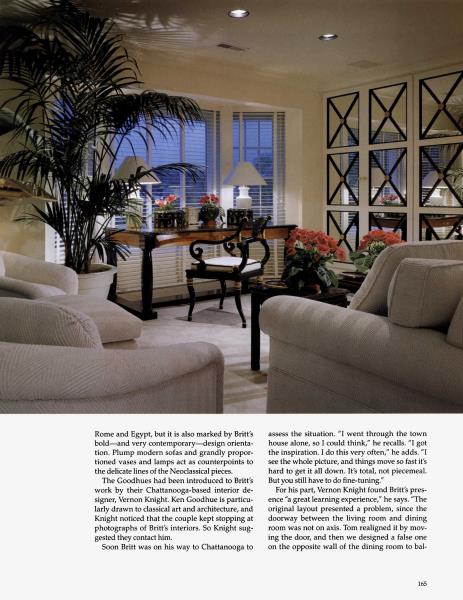
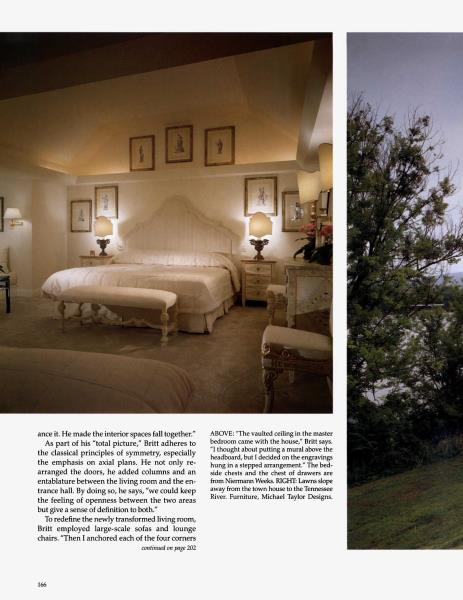
OriginalA designer's total picture executed in a disciplined black-white-gold palette: Neoclassical bones dressed with tropical exuberance. Everything arrived at once but the coherence is so complete it reads as confident conviction rather than catalog shopping. Britt's theatrical restraint — dramatic without being loud — makes a Chattanooga town house feel like a sophisticated stage set for cultivated entertaining.
Run AA designer's total-picture Neoclassical fantasy executed in a disciplined black-white-gold palette, where Empire antiques and Roman engravings cohabit with oversized tropical plants and bold geometric upholstery. Everything arrived at once — there's no patina, no inheritance, just Thomas Britt's confident hand orchestrating a Chattanooga town house into a miniature Regency stage set overlooking the Tennessee River.
Run BNeoclassical ambition executed in a bold black-and-white-and-gold palette, where Thomas Britt's editorial hand is evident in every symmetrical vignette and coordinated stripe. The tropical plants soften what would otherwise be a stage set, but the admission that nothing was brought from the previous home reveals this as a designed fantasy, not an accumulated life. A socialite's entertaining vessel dressed as a scholar's retreat.
AnalysisOnly Hospitality breaks consensus — the original (3) holds while retests split (3/4), a classic boundary case.

Test–Retest: 41

Page 156Page 157Page 158Page 159
#8014Jon Robin Baitz and Joe MantelloJON ROBIN BAITZ AND JOE MANTELLO
AD 1995-118/9
RUNGrandeurMate.Maxi.Hist.Prov.Hosp.Form.CurationThea.
Original154241111
Run A15425+11111
Run B154241111
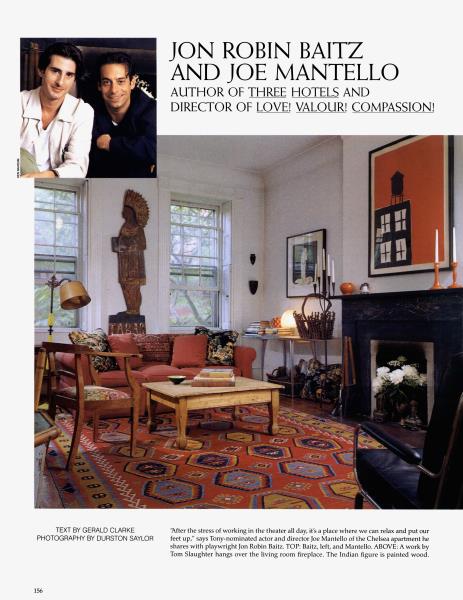
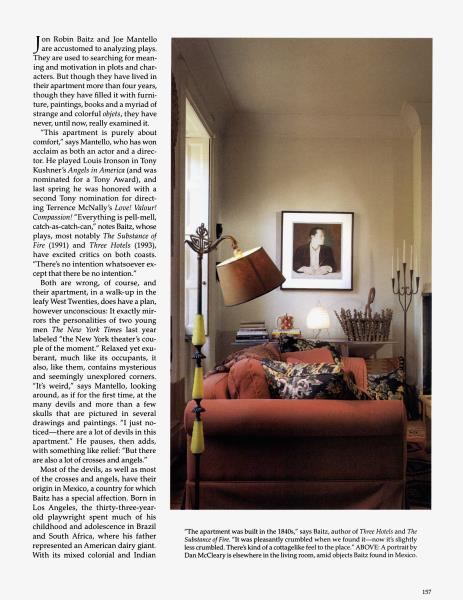
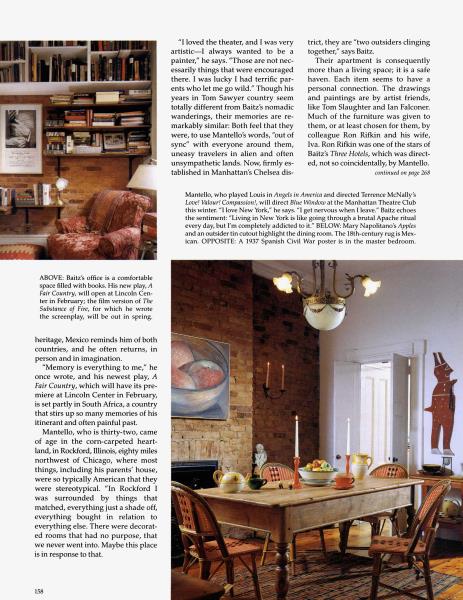
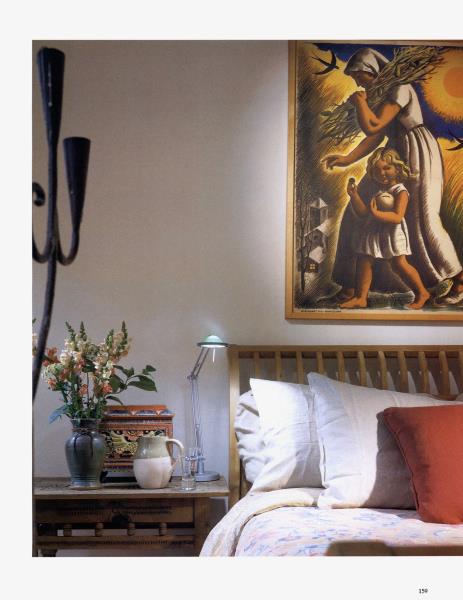
OriginalA playwright's and director's genuine nest — pell-mell, catch-as-catch-can, and all the richer for it. Mexican folk art, Brazilian memories, and gifts from theater friends pile up in warm earth tones across a modest Chelsea walk-up that feels like the inside of a well-traveled mind. The devils, crosses, and angels Mantello notices with surprise are the unconscious autobiography of two men who analyze stories for a living but never bothered to read their own apartment.
Run AA theater couple's Chelsea walk-up that functions as emotional shelter, not stage. Mexican devils and South African crosses accumulated from genuinely nomadic childhoods coexist with friends' art and hand-me-down furniture in a space that is warm, cluttered, and stubbornly personal. The pell-mell maximalism isn't decorating — it's autobiography.
Run BA theater couple's Chelsea walk-up that reads like a warm, unconscious autobiography — Mexican devils and angels, gifts from actor friends, and childhood souvenirs from Brazil and South Africa accumulated without a plan but with unmistakable personal coherence. The 'pell-mell, catch-as-catch-can' philosophy produces rooms that are dense, deeply warm, and entirely unperformative. This is what happens when two people who analyze meaning for a living stop analyzing at home.
AnalysisOnly Provenance breaks consensus — the original (4) holds while retests split (5/4), a classic boundary case.

Test–Retest: 42

Page 188Page 189Page 190Page 191Page 192Page 193Page 194Page 195
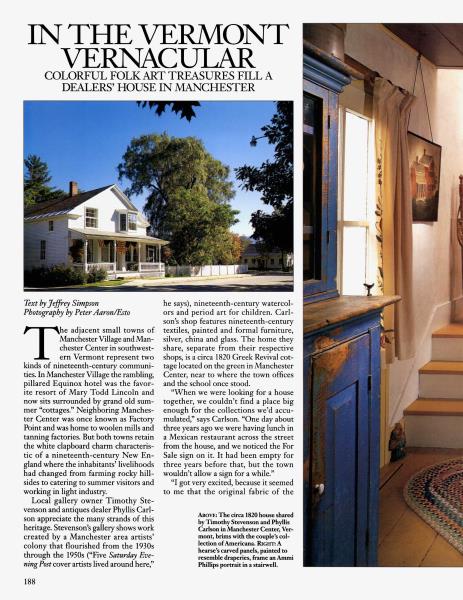
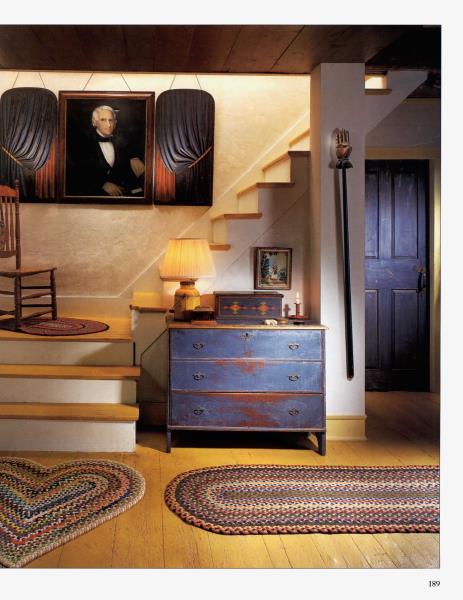
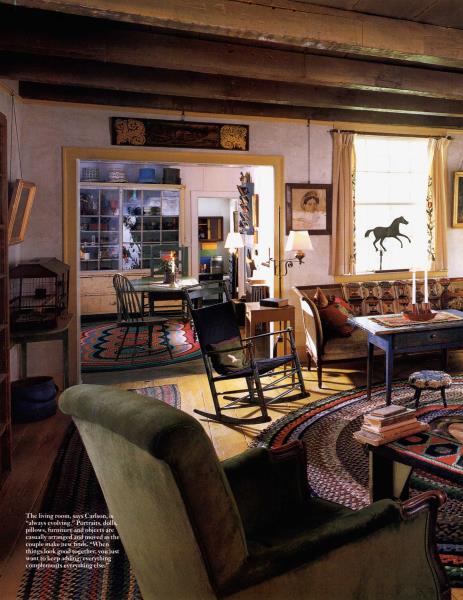
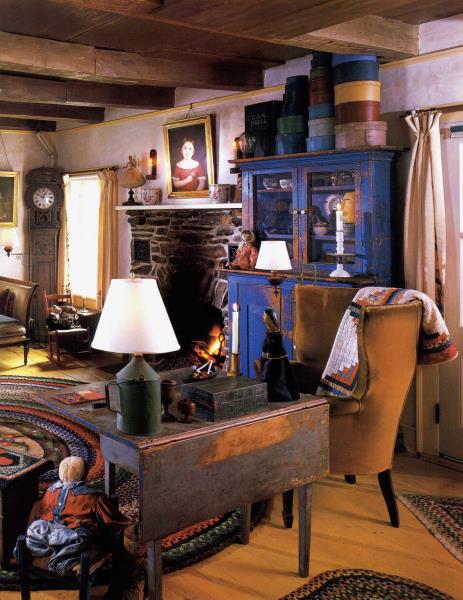
#8309Timothy Stevenson and Phyllis CarlsonIN THE VERMONT VERNACULAR
AD 1999-068/9
RUNGrandeurMate.Maxi.Hist.Prov.Hosp.Form.CurationThea.
Original155552121
Run A155551-1121
Run B155552121
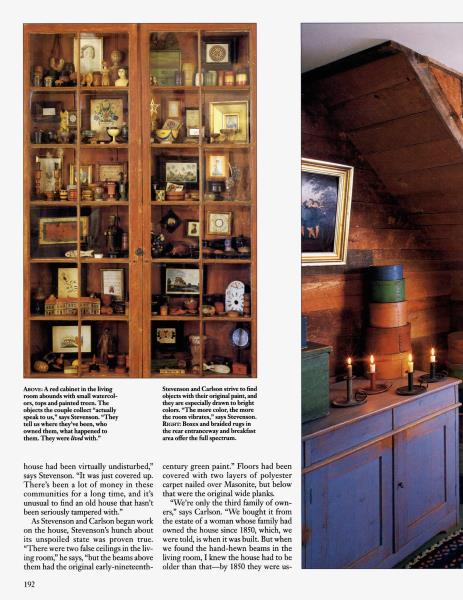
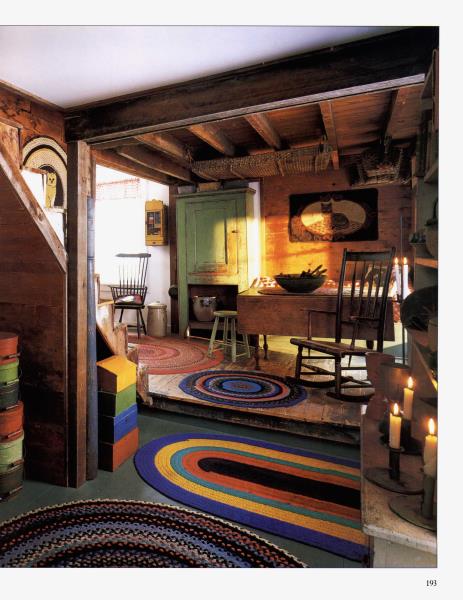
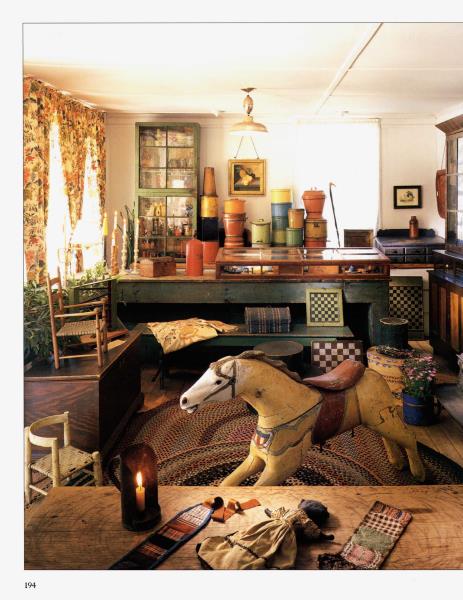
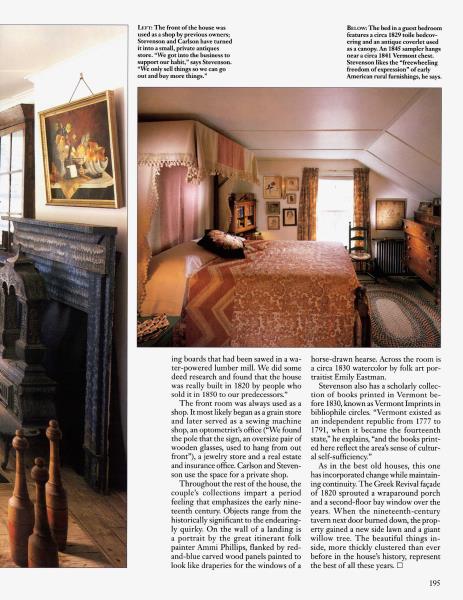
OriginalA dealers' den where every object has been handled, haggled over, and placed with the intuition of two people who've spent their lives inside this material world. The low-beamed rooms glow with candlelight and original paint surfaces in a color palette — indigo, ochre, barn red — that feels genetically Vermont. This is maximalism as autobiography, not decoration.
Run AA dealers' den where every surface vibrates with the accumulated conviction of two people who genuinely love early American folk art. The coherence is extraordinary — blues and mustards recurring across painted chests, braided rugs, and bandboxes in rooms barely tall enough to stand in — yet nothing feels arranged for the camera. This is maximalism as biography, not decoration.
Run BA folk art dealer's den where every object has been handled, studied, and loved into place. The circa 1820 cottage is less a house than a living archive — braided rugs, blue-painted blanket chests, Ammi Phillips portraits, and stacked bandboxes create a saturated world of early American color that feels genuinely accumulated rather than arranged. This is maximalism in service of obsession, not display.
AnalysisOnly Hospitality breaks consensus — the original (2) holds while retests split (1/2), a classic boundary case.

Test–Retest: 43

Page 124Page 125Page 126Page 127Page 128Page 129Page 130Page 131
#8399Doris Magsaysay HoA Manila Makeover
AD 2000-088/9
RUNGrandeurMate.Maxi.Hist.Prov.Hosp.Form.CurationThea.
Original454235343
Run A454235342-1
Run B454235343
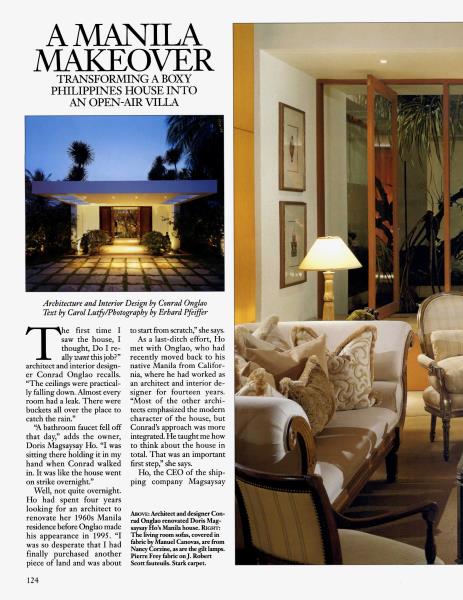
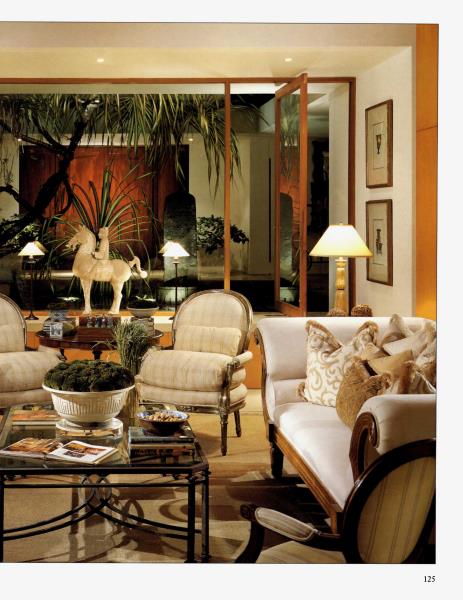
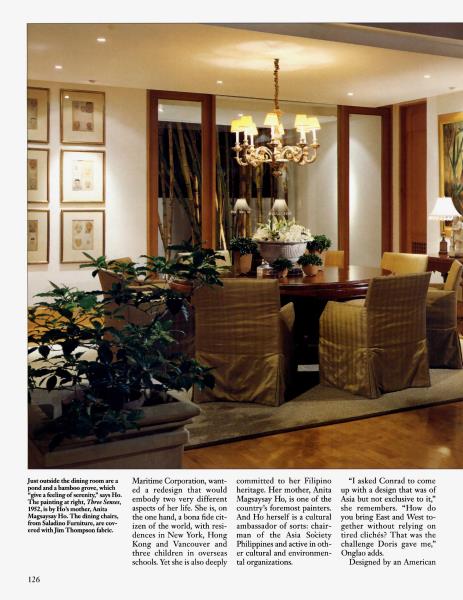
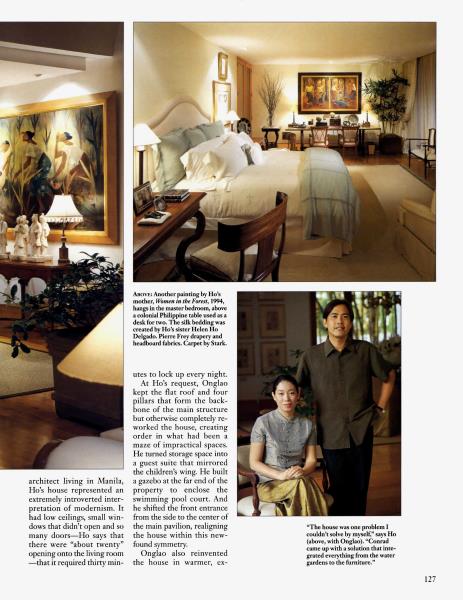
OriginalA tropical modernist pavilion dressed in cream linen and rattan, where the boundary between indoors and garden has been deliberately dissolved. Onglao's renovation turns a boxy 1960s Manila house into something that feels like a permanent resort — generous, warm, and calibrated for social life. The mother's paintings and colonial Philippine furniture anchor it to place, but this is ultimately a designed atmosphere, not an inherited one.
Run AA tropical salon where East meets West without cliché — woven textures, warm wood, and family paintings compose a house that feels like an open-air living room for Manila's cultural elite. Onglao's genius is making a renovated 1960s box feel like it grew organically from the garden, with every room opening to water and greenery. The warmth is genuine but the staging is deliberate; this is a home built to host beautifully.
Run BA tropical salon where East-West fusion actually works. Onglao transformed a crumbling modernist box into a seamless indoor-outdoor villa where rattan and J. Robert Scott coexist under warm wood ceilings, all orchestrated around a central pool court that glows like a stage set at dusk. The warmth is genuine but the hand of the designer is everywhere — this is a house built for gathering, not solitude.
AnalysisOnly Theatricality breaks consensus — the original (3) holds while retests split (2/3), a classic boundary case.

Test–Retest: 44

Page 204Page 205Page 206Page 207Page 208Page 209Page 210Page 211
#8454UnknownSERENITY IN THE CITY
AD 2001-048/9
RUNGrandeurMate.Maxi.Hist.Prov.Hosp.Form.CurationThea.
Original443333342
Run A443332-1342
Run B443332-1342
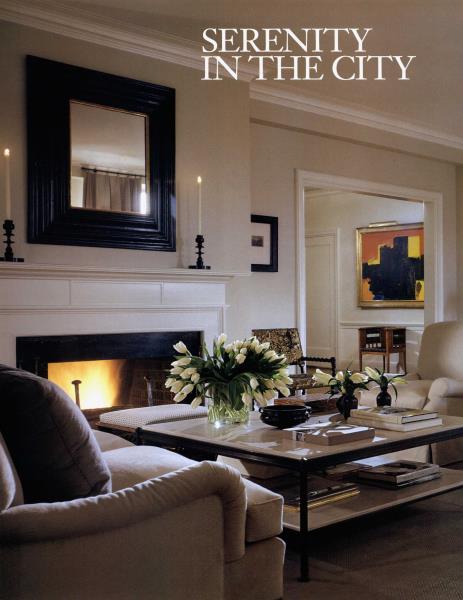
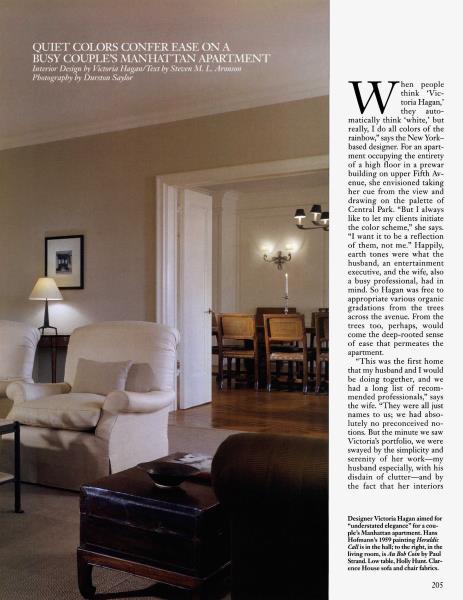
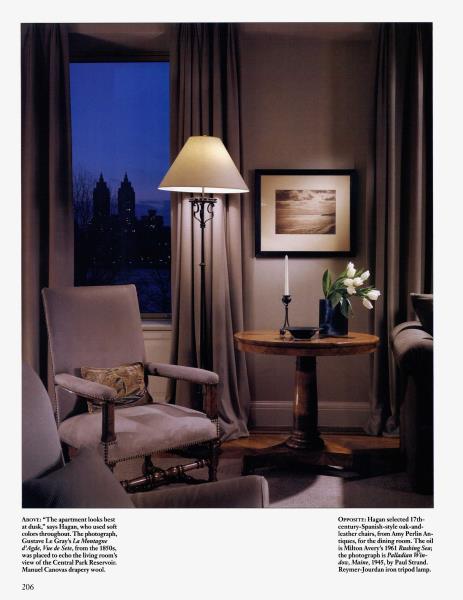
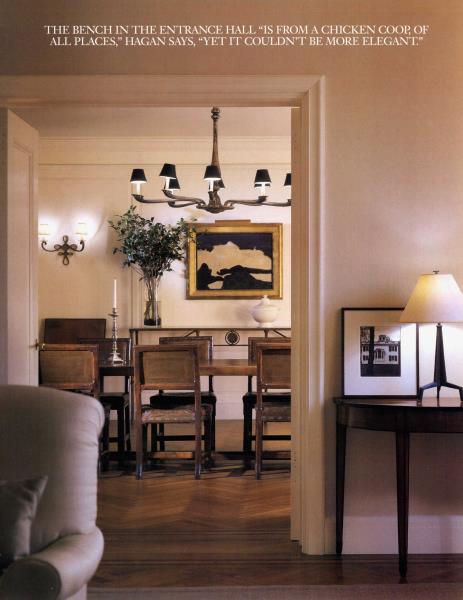
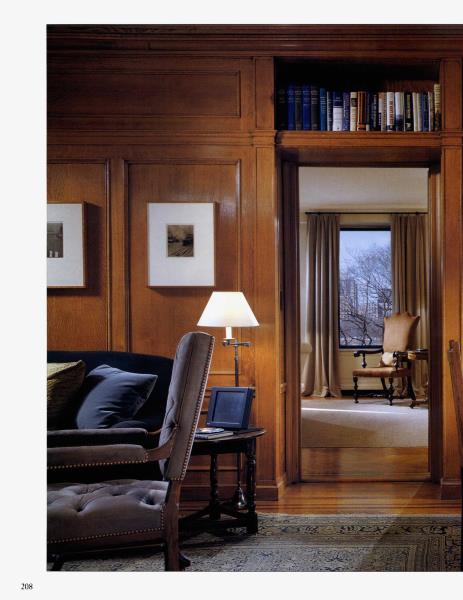
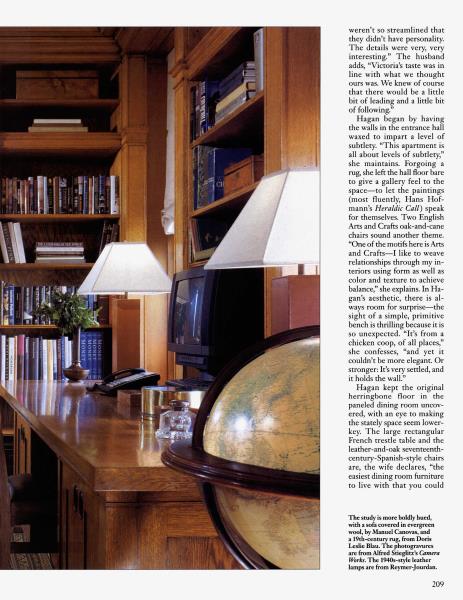
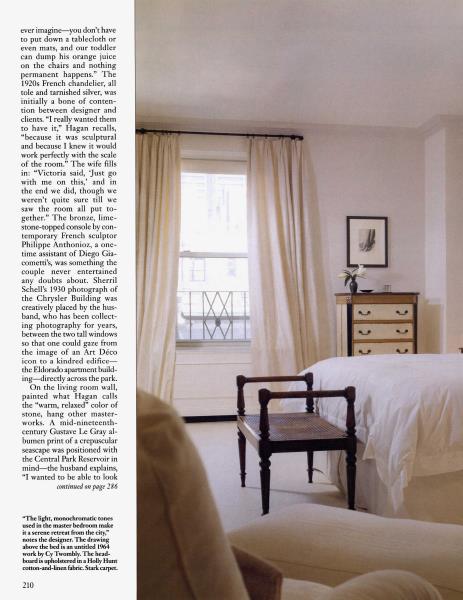
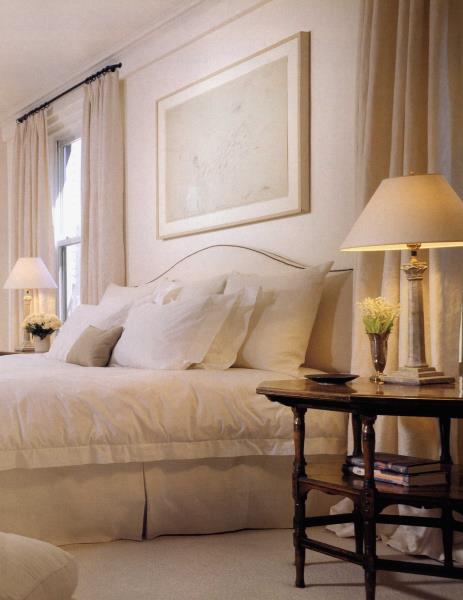
OriginalQuiet Fifth Avenue authority dressed in earth tones and serious art. Hagan's 'understated elegance' is the aesthetic of people who can afford to whisper — the Hofmann over the fireplace and the Twombly in the bedroom are museum-quality but never raise their voices. The paneled study and chicken-coop bench coexist with the same unforced confidence that makes prewar Manhattan apartments feel like they've always been this way.
Run AQuiet authority on upper Fifth Avenue — a designer's disciplined hand deploying earth tones, serious art, and prewar bones to create a retreat that whispers rather than shouts. The chicken-coop bench beside the Hans Hofmann captures the ethos perfectly: humble provenance elevated by confident placement. This is wealth that has learned to exhale.
Run BUnderstated upper Fifth Avenue restraint, where a designer's disciplined hand channels earth tones and quiet luxury into a prewar shell. The art collection is serious but personally motivated, the paneled study feels genuinely inhabited, and Hagan's signature simplicity reads as considered calm rather than editorial emptiness. A home that whispers old money even though it was assembled from scratch.
AnalysisNear-perfect agreement with a single split on Hospitality (3→2). Two retests converge on the revised score, suggesting the original may have been the outlier.

Test–Retest: 45

Page 256Page 257Page 258Page 259Page 260Page 261Page 262Page 263
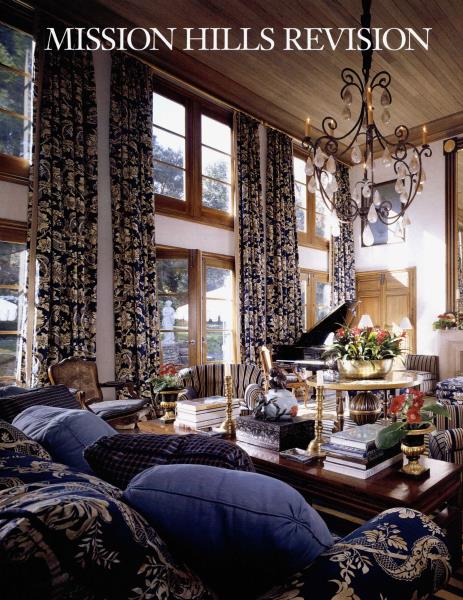
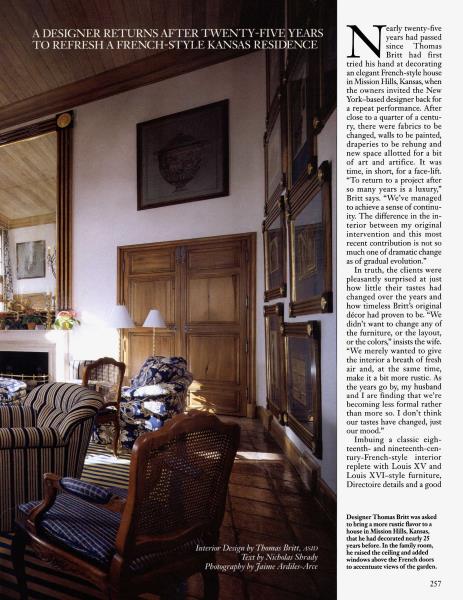
#8460UnknownMISSION HILLS REVISION
AD 2001-048/9
RUNGrandeurMate.Maxi.Hist.Prov.Hosp.Form.CurationThea.
Original455433342
Run A455433342
Run B4554334+142
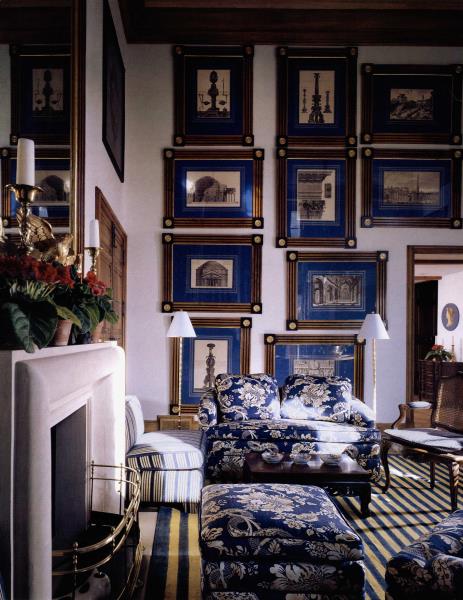
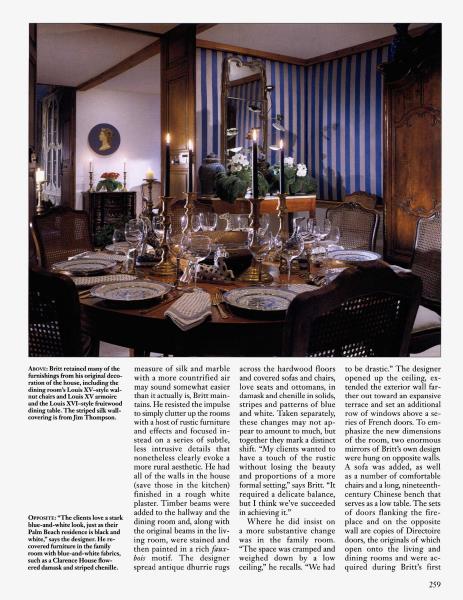
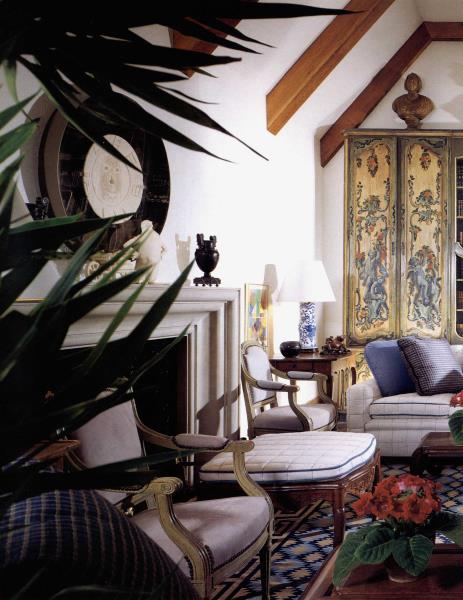
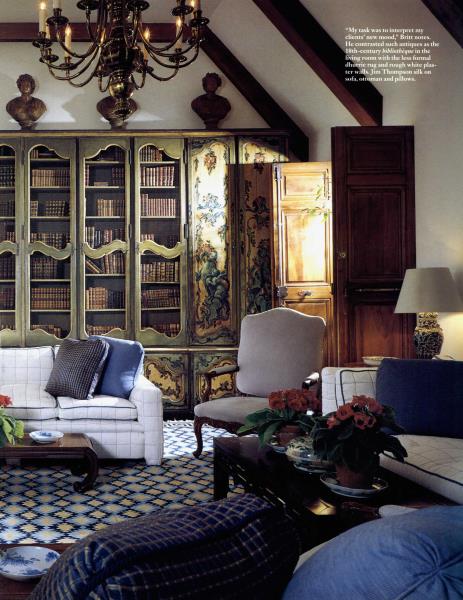
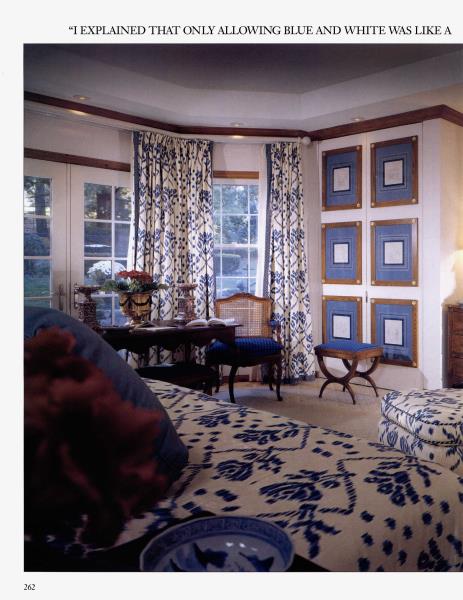
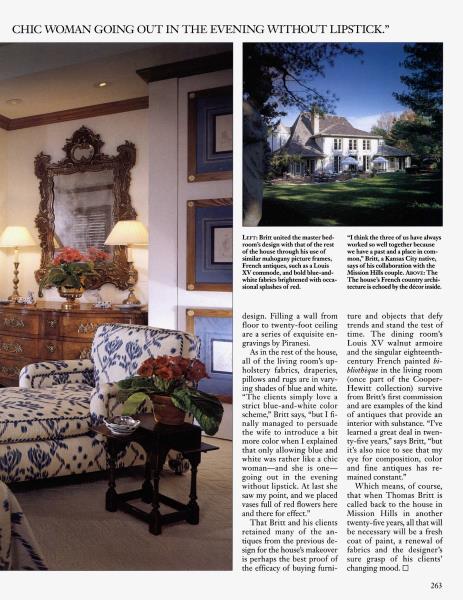
OriginalA maximalist French-country fantasy executed with rigorous blue-and-white discipline in the Kansas heartland. Twenty-five years of the same designer working for the same clients has produced something rare: a heavily curated interior that actually feels settled, where 18th-century painted armoires and Piranesi engravings coexist with rough timber and plaster to suggest a château that relaxed into a farmhouse. The density is extraordinary but never chaotic — every pattern answers every other pattern.
Run AA French country fantasy executed with disciplined maximalism — every surface layered in navy damask, Piranesi engravings, and Louis XV walnut, yet unified by an unwavering blue-and-white palette that turns density into coherence. The rough timber beams and plaster walls deliberately temper the formality of the antiques, achieving what Britt calls 'a touch of the rustic without losing the beauty of a more formal setting.' Twenty-five years of the same designer and the same clients have produced something rare: a maximalist interior that reads as genuinely inhabited rather than freshly styled.
Run BA blue-and-white maximalist's French country fantasy executed with serious connoisseurship in the Kansas heartland. Every room vibrates with coordinated pattern density — damask, chenille, toile, stripe — held together by an unwavering chromatic discipline that Thomas Britt maintained across a quarter-century relationship. The rough plaster and timber beams work hard to ground what is essentially a Parisian decorator's vision in something approaching rusticity.
AnalysisOnly Formality breaks consensus — the original (3) holds while retests split (3/4), a classic boundary case.

Test–Retest: 46

Page 274Page 275Page 276Page 277Page 278Page 279
#8495Carey MaloneyCarey Maloney
AD 2001-098/9
RUNGrandeurMate.Maxi.Hist.Prov.Hosp.Form.CurationThea.
Original344342342
Run A34434233-12
Run B34434233-12
OriginalA designer's personal laboratory where professional polish meets genuine sentiment. The tonal warmth of gold, cream, and brown wraps a dense collection of personally meaningful objects — auction finds from deceased friends, art that puzzled him, a scholar's rock carried between projects. It's maximalist but autobiographical, the apartment of someone who designs for others all day and came home to please only himself.
Run AA designer's personal nest in a pre-war landmark, where professional polish meets genuine biography. Every object has a story — a dead friend's parrot painting, recycled client fabrics, a scholar's rock on borrowed Chinese tables — and the warm gold palette unifies them into something that feels accumulated rather than arranged. It's maximalism in service of memory, not display.
Run BA designer's own nest, warm and tawny as an old library, where every object carries a story rather than a price tag. The bedroom gallery wall — a parrot painting from a dead friend's estate, plaster stars glued to the ceiling — reveals a sentimental maximalist who collects memories, not trophies. Prewar bones and golden light hold it all together with quiet authority.
AnalysisNear-perfect agreement with a single split on Curation (4→3). Two retests converge on the revised score, suggesting the original may have been the outlier.

Test–Retest: 47

Page 246Page 247Page 248Page 249
#8595Ray and Sylvia JacobsUp the Down Staircase
AD 2002-128/9
RUNGrandeurMate.Maxi.Hist.Prov.Hosp.Form.CurationThea.
Original432113343
Run A43212+13343
Run B432113343
OriginalA deconstructivist jewel box where the architecture performs as aggressively as the blue-chip art it houses. Tighe's angled planes and floating glass volumes channel Morphosis DNA into a space that treats the staircase as sculpture and every sight line as a gallery composition. The warmth of blonde maple barely domesticates what is essentially a private kunsthalle built into a San Fernando Valley hillside.
Run AA deconstructivist jewel box carved into a San Fernando Valley hillside, where Morphosis-adjacent angular geometry serves as a framework for blue-chip contemporary art. The warm maple against white plaster is disciplined but not cold — a communications entrepreneur's idea of what happens when you tell an architect to bring you something you haven't seen before.
Run BA deconstructivist jewel box carved into a San Fernando Valley hillside, where the architecture itself is the primary artwork. The angled walls and sculptural staircase create a gallery armature for blue-chip contemporary art — Lichtenstein, Close, Kosuth, Serra — that feels collected with genuine enthusiasm rather than trophy-hunted. Tighe's Morphosis DNA is evident in every facet and fold, making this more architectural manifesto than domestic retreat.
AnalysisOnly Provenance breaks consensus — the original (1) holds while retests split (2/1), a classic boundary case.

Test–Retest: 48

Page 242Page 243Page 244Page 245Page 246Page 247Page 248Page 249
#8687UnknownFreedom from Convention
AD 2004-058/9
RUNGrandeurMate.Maxi.Hist.Prov.Hosp.Form.CurationThea.
Original421111342
Run A421111343+1
Run B421111343+1
OriginalA desert spaceship for a recluse who wanted to live inside the sky. The architecture is total—there is no furniture, no decoration, no history, only steel towers, glass walls, and a serpentine form winding across barren land. It's the purest expression of architecture-as-lifestyle: the building isn't shelter, it's the entire experience.
Run AA desert hermitage for one, elevated above the earth on steel stilts and stripped of nearly everything but sky and structure. Bart Prince's serpentine 'cloud house' is architecturally radical but emotionally monastic — the client wanted freedom from convention and got freedom from furniture, possessions, and other people. The drama is all structural, never decorative.
Run BA desert hermitage that weaponizes emptiness. Raised on steel stilts and stretched across a barren acre like a mechanical serpent, the house is architecture as pure experience — no furniture, no clutter, no concession to convention. The client wanted a cloud; Prince gave her a spaceship with throw pillows.
AnalysisNear-perfect agreement with a single split on Theatricality (2→3). Two retests converge on the revised score, suggesting the original may have been the outlier.

Test–Retest: 49

Page 242Page 243Page 244Page 245Page 246Page 247Page 248Page 249
#9041Dan Schieffer and Suzanne KolbergNew Order in the Capital
AD 2008-108/9
RUNGrandeurMate.Maxi.Hist.Prov.Hosp.Form.CurationThea.
Original321111452
Run A321112+1452
Run B321111452
OriginalA psychiatrist's decompression chamber — every traditional detail of the Beaux Arts apartment surgically removed and replaced with floating planes of limestone, glass, and aluminum. The space performs minimalism with monastic discipline, where three oranges on a dining table constitute maximum decoration. It's genuinely therapeutic rather than performative, but so controlled it might give you anxiety about leaving a coffee cup out.
Run AA psychiatrist's decompression chamber — every trace of the Edwardian apartment erased in favor of floating planes, translucent glass, and limestone silence. The minimalism is clinical in its conviction, more spa than home, where the absence of objects is itself the design statement. Gurney's architecture performs for the camera, but the client genuinely needed the void.
Run BA psychiatrist's decompression chamber stripped to architectural essentials. Gurney uncrated the Beaux Arts apartment from its period boxes and rebuilt it as a continuous field of floating planes, limestone, and silence — Zen by way of Mies. The emptiness is the point: nothing here competes for attention because the client's entire day is spent attending to others.
AnalysisOnly Hospitality breaks consensus — the original (1) holds while retests split (2/1), a classic boundary case.

Test–Retest: 50

Page 120Page 121Page 122Page 123
#9091UnknownLAKESIDE LIVING
AD 2009-068/9
RUNGrandeurMate.Maxi.Hist.Prov.Hosp.Form.CurationThea.
Original353323132
Run A353323132
Run B353323131-1
OriginalA Shingle Style boathouse that takes its construction seriously — cast-in-place reinforced concrete, individually treated shingles, Douglas fir trusses — all in service of a family lakeside retreat that wants to outlast its predecessor by generations. The warmth is genuine and total: every surface is natural wood, every space oriented toward the water, and the entire program compressed into a single building that's equal parts lodge and dock. It's wealth deployed for durability and comfort, not display.
Run AA Shingle Style lodge planted directly on the water, built with the structural seriousness of a bridge and the soul of a summer camp. Every material—Douglas fir, cypress, red oak, cedar—speaks the same warm dialect, while the engineering underneath (cast-in-place concrete, steel tension rods) is deliberately invisible. It's durability as luxury: not performing for guests but engineered to outlast generations of barefoot lake days.
Run BA Shingle Style boathouse built with serious engineering rigor disguised as lakeside ease. The Douglas fir trusses and all-wood interior create a warm cocoon over the water, but the cast-in-place concrete foundations and preservative-treated shingles reveal an architect's obsession with making this one last — unlike its predecessor. It's a family retreat that wants to feel old-money coastal but sits on a private Missouri lake, perfectly hidden from the St. Louis suburbs that grew up around it.
AnalysisOnly Theatricality breaks consensus — the original (2) holds while retests split (2/1), a classic boundary case.

Test–Retest: 51

Page 56Page 57Page 58Page 59Page 60Page 61Page 62Page 63
#9099Steven Harris and Lucien Rees RobertsAN ADRIATIC IDYLL
AD 2009-088/9
RUNGrandeurMate.Maxi.Hist.Prov.Hosp.Form.CurationThea.
Original351441242
Run A351441242
Run B351442+1242
OriginalA 15th-century Dalmatian stone compound stripped to its bones and furnished with surgical precision — three pedigreed Modernist chairs against five centuries of patina. The restraint is the statement: 156 steps up a hill with no road, no crowd, just rosemary, stone, and the Adriatic. Two designers building their own escape, where the architecture's age does all the talking and the contemporary furniture knows when to shut up.
Run AA preservationist's monastery. Two New York designers stripped a 15th-century Dalmatian stone compound to its bones and furnished it with a handful of pedigreed Modernist sculptures-as-chairs, creating a tension between medieval materiality and midcentury refinement that feels monastic rather than decorative. The remoteness is the real luxury — 156 steps, no road, a donkey — and the interiors honor that isolation with radical emptiness.
Run BA monastic minimalism inside a genuine 15th-century Croatian stone compound, where the luxury is the restraint itself. Pedigreed Modernist furniture reads as sculptural counterpoint to ancient walls rather than status signaling. The 156 hand-carried steps up from the harbor are the point — this is a retreat that makes you earn its silence.
AnalysisOnly Hospitality breaks consensus — the original (1) holds while retests split (1/2), a classic boundary case.

Test–Retest: 52

Page 112Page 113Page 114Page 115Page 116Page 117Page 118Page 119
#9149UnknownBreaking the Mold
AD 2010-048/9
RUNGrandeurMate.Maxi.Hist.Prov.Hosp.Form.CurationThea.
Original444334443
Run A4443343-143
Run B444334443
OriginalFrench-inflected Deco sophistication deployed in a Hamptons Shingle Style shell — a tactician's interiors where every room has its own color personality but the whole reads as one confident, warm, collected vision. The limestone fireplaces sourced from France do the heavy lifting of gravitas while nubby family-room fabrics and a screened porch keep it from tipping into museum territory. It's a 'highly polished space' that knows exactly what it is: a developer's weekend house dressed by a Francophile designer for both grandchildren and dinner parties.
Run AA designer's French-inflected fantasy installed in a Hamptons Shingle Style shell — Art Deco ceiling motifs meet Neoclassical limestone fireplaces meet Paul Bert flea market finds, all unified by a sophisticated silvery-warm palette. The 12,000-square-foot scale is domesticated by Baird's layered maximalism and warm material choices, but the precision of every composed vignette never lets you forget this is a professional production, not an organic accumulation.
Run BA designer's tour de force in controlled opulence — French Déco references deployed with military precision across 12,000 square feet of new Hamptons construction. The warmth is real but orchestrated: every sunburst mirror, every flea-market console, every tonal shift between rooms serves Baird's vision of sophistication that doesn't quite relax. It's a house that wants to be both a weekend retreat and a showpiece, and the tension between those ambitions is its defining characteristic.
AnalysisOnly Formality breaks consensus — the original (4) holds while retests split (3/4), a classic boundary case.

Test–Retest: 53

Page 154Page 155Page 156Page 157Page 158Page 159Page 160Page 161
#9210Terry and Jean de Gunzburgpoetic license
AD 2011-058/9
RUNGrandeurMate.Maxi.Hist.Prov.Hosp.Form.CurationThea.
Original535344454
Run A53534444-14
Run B53534444-14
OriginalA French art-collecting couple's London palace where Jacques Grange conducts an orchestra of blue-chip masterworks against glossy black floors and neo-Victorian bones. The density is staggering — Bacon, Modigliani, Giacometti, Bourgeois, Calder — yet every piece earns its placement in a space that functions more as a curated salon than a private retreat. It's deeply sophisticated and knows it, the kind of home where 'poetry and nonchalance' is the stated goal but every casual gesture has been meticulously choreographed.
Run AA connoisseur's cabinet writ large across 11,000 square feet of South Kensington grandeur, where Jacques Grange orchestrates blue-chip modernist and contemporary art against neo-Victorian bones with the confidence of someone who has done this for the same clients across four residences. The Bacon, Modigliani, and Bourgeois aren't trophies — they're residents, but the glossy black floors and gilded frames ensure you never forget the price of admission.
Run BA collector's palace disguised as bohemian connoisseurship. Jacques Grange orchestrates a five-story conversation between blue-chip modern masters and aristocratic provenance pieces across glossy black floors, achieving maximum density with maximum coherence — every room a curated gallery that just happens to have sofas. The Pierre Bergé quote that Grange makes homes 'that don't look done up' is the most generous possible reading; this is a space that performs its erudition relentlessly, even beautifully.
AnalysisNear-perfect agreement with a single split on Curation (5→4). Two retests converge on the revised score, suggesting the original may have been the outlier.

Test–Retest: 54

Page 136Page 137Page 138Page 139Page 140Page 141Page 142Page 143Page 144Page 145Page 146Page 147
#9230Ellen DeGeneres and Portia de RossiLABOR OF LOVE
AD 2011-118/9
RUNGrandeurMate.Maxi.Hist.Prov.Hosp.Form.CurationThea.
Original354233243
Run A354233243
Run B3543+133243
OriginalRustic-luxe California eclecticism executed at the highest level — a house that wants to feel like a Provençal farmstead but betrays its Beverly Hills address through museum-caliber art and design-world furniture. DeGeneres's serial renovator's restlessness produces spaces that are simultaneously cozy and editorial, where a Warhol/Basquiat painting hangs above a room of barefoot comfort. The patina is purchased but the warmth is real.
Run AA serial renovator's fantasy of rustic authenticity — reclaimed wood, antique rugs, and French farm tables assembled with the help of a small army of L.A. designers to create a space that looks inherited but was purchased furnished and will likely be flipped within two years. The Basquiat-Warhol collaboration hanging behind casual bent-plywood chairs tells you everything: serious art-world currency dressed down in linen and bare feet.
Run BA serial renovator's most refined edit: rustic European antiques and blue-chip contemporary art coexist under reclaimed-wood beams with the easy confidence of someone who has done this seven times before. The warmth is genuine but the nonchalance is studied — every 'casual' stack of firewood and every 'found' farm table was sourced by a network of L.A. dealers. The Basquiat and Warhol say wealth; the linen slipcovers and bare feet say 'we don't care that you know.'
AnalysisOnly Historicism breaks consensus — the original (2) holds while retests split (2/3), a classic boundary case.

Test–Retest: 55

Page 136Page 137Page 138Page 139Page 140Page 141Page 142Page 143Page 144Page 145Page 146Page 147
#9261Michael S. Smith and James CostosL'Art de Vivre
AD 2012-098/9
RUNGrandeurMate.Maxi.Hist.Prov.Hosp.Form.CurationThea.
Original545534453
Run A54554+14453
Run B545534453
OriginalA decorator's manifesto in 18th-century French drag — every room a precisely composed tableau vivant of Aubusson, gilt, and chinoiserie that channels the Palais-Royal through a Manhattan penthouse. The connoisseurship is genuine but the perfection betrays its orchestration; this is a pavilion of pleasure designed to be photographed as much as lived in. Smith's declaration 'I am a total historicist' is the thesis statement for a home that treats interior design as a performing art.
Run AA designer's love letter to 18th-century France executed with the precision of a stage set and the conviction of a true believer. Every surface commits to the period — from Feau & Cie woodwork to Condé Nast's own chinoiserie wallpaper — yet the density of blue-and-white porcelain, Japanese lacquer, and botanical art reveals a collector's hunger that transcends historical recreation. It is magnificent and meticulously controlled, a penthouse that performs as a Parisian hôtel particulier suspended above Madison Avenue.
Run BEighteenth-century France rebuilt on a Manhattan rooftop with total conviction and zero irony. Smith's connoisseurship is the performance here — every auction find, every Fréau & Cie panel, every Aubusson thread announces that the owner knows more about this period than you do. The terrace views of New York skyline are the only tell that this isn't a Parisian hôtel particulier.
AnalysisOnly Provenance breaks consensus — the original (3) holds while retests split (4/3), a classic boundary case.

Test–Retest: 56

Page 110Page 111Page 112Page 113Page 114Page 115Page 116Page 117Page 118Page 119
#9271UnknownSpeaking Volumes
AD 2012-128/9
RUNGrandeurMate.Maxi.Hist.Prov.Hosp.Form.CurationThea.
Original455541342
Run A455541342
Run B454-1541342
OriginalAn antiquarian fantasy built by a publisher who wants to live inside his own library. Studio Peregalli transplanted a 16th-century Ferrara ceiling into a Swiss Alpine retreat and filled it with centuries of accumulated European craft — painted leather walls, tapestry chairs, thousands of leather-bound books — creating a space that feels less designed than excavated. The modern world has been surgically removed; what remains is a deeply personal cabinet of historical wonders that happens to be heated.
Run AAn antiquarian fantasy built with genuine conviction — a publisher's retreat where a 16th-century Ferrara ceiling and circa-1600 armchairs aren't costuming but a philosophical position against modernity. Studio Peregalli conjures a space that feels excavated rather than designed, every pine plank and leather-bound volume in service of solitary contemplation. The maximalism is scholarly, not decorative — this is a man hiding from the 21st century inside a Swiss mountain, and he's brought enough books to last.
Run BAn antiquarian time capsule built for a bookish recluse in the Swiss Alps. Studio Peregalli conjured an entire pre-modern world from genuinely old materials — a 16th-century Ferrara ceiling, recycled Alpine timber, century-old leather — creating a space that feels inherited rather than designed. The wealth is immense but invisible to anyone who doesn't know what a Ferrara grotesque ceiling costs; this is luxury as withdrawal from the contemporary world.
AnalysisOnly Maximalism breaks consensus — the original (5) holds while retests split (5/4), a classic boundary case.

Test–Retest: 57

Page 60Page 61Page 62Page 63Page 64Page 65Page 66Page 67
#9279Anne and Edward StormCROSSING BORDERS
AD 2013-028/9
RUNGrandeurMate.Maxi.Hist.Prov.Hosp.Form.CurationThea.
Original452223342
Run A45223+13342
Run B45223+13342
OriginalMexican modernism transplanted to Northern California oak country — monumental stone walls and teak doors frame views of rolling hills while a disciplined earth-tone palette makes the indoors feel like an extension of the landscape. The restraint is almost monastic: vast warm surfaces, very few objects, and light doing most of the decorative work through gridded brise-soleil shadows. It's a house that performs serenity for its owners, not wealth for its visitors.
Run AMexican modernism translated into a Northern California whisper — monumental stone volumes softened by Venetian plaster, teak, and linen into something approaching a secular monastery. The restraint is the point: two bedrooms, almost no art, earth tones only, as if Barragán had been gentled by the Woodside oaks. It's quietly expensive, designed for a couple who wanted architecture as atmosphere rather than spectacle.
Run BMexican modernism translated to Northern California wine country — Barragán's bold geometry softened with linen, limestone, and golden light. The house is architecturally ambitious but materially humble, where every surface glows warm and the distinction between indoors and outdoors dissolves into terraces, water channels, and oak-studded views. It's a controlled sensuousness that never performs — the stone animates with light, the water features delight grandchildren, and the two-bedroom program confirms this is genuinely a retreat, not a stage.
AnalysisNear-perfect agreement with a single split on Provenance (2→3). Two retests converge on the revised score, suggesting the original may have been the outlier.

Test–Retest: 58

Page 138Page 139Page 140Page 141Page 142Page 143
#9482UnknownSTILL WATERS
AD 2018-118/9
RUNGrandeurMate.Maxi.Hist.Prov.Hosp.Form.CurationThea.
Original442233342
Run A443+1233342
Run B442233342
OriginalBelgian minimalism transplanted to a NoHo triplex — Van Duysen's signature restraint renders a potentially grand space into something monastic and warm. The palette never rises above cream and brown, the mid-century furniture sits in quiet dialogue, and the architecture does the talking. It's wealth that whispers in a Flemish accent.
Run ABelgian monasticism for Manhattan — Van Duysen's signature restraint turns a NoHo triplex into a temple of curated quietude where every object earns its place through material honesty rather than brand recognition. The palette of cream linen, dark oak, and handwoven earth-tone carpets creates a space that feels eternal and unconcerned with trend, though the precision of every sightline reveals the designer's controlling hand. It's the rare space where two young boys' shouts are the only thing that breaks the spell.
Run BBelgian minimalism transplanted to a NoHo triplex — Van Duysen's signature restraint turns a family home into a Vermeer painting where nothing appears new and everything has patina. The mid-century collector's pieces and muted earth palette create a space that whispers its considerable budget through material quality rather than visual noise.
AnalysisOnly Maximalism breaks consensus — the original (2) holds while retests split (3/2), a classic boundary case.

Test–Retest: 59

Page 198Page 199Page 200Page 201
#4027John Cage and Merce CunninghamJohn Cage and Merce Cunningham
AD 1988-119/9
RUNGrandeurMate.Maxi.Hist.Prov.Hosp.Form.CurationThea.
Original243151111
Run A243151111
Run B243151111
OriginalA forty-year accumulation of avant-garde friendship in loft form. The Johns lithographs and Rauschenberg prints aren't collection pieces — they're gifts from collaborators, pinned alongside cacti and cat hair on worn wooden floors. Two of the twentieth century's most radical artists built something deeply domestic and unpretentious.
Run AA downtown loft as creative autobiography — forty years of avant-garde life accumulated in plants, papers, and art by friends. The Rauschenberg and Johns pieces aren't trophies but souvenirs of collaboration; the cacti get more attention than the sight lines. This is the rare space where genuine cultural significance registers as domestic normalcy.
Run BA genuine artist's loft where four decades of avant-garde collaboration have left their sediment — Johns lithographs and Rauschenberg prints hang not as trophies but as evidence of friendship. The cacti, the cat, the scattered notebooks, and the worn wood floors all testify to a home that serves two of the century's most radical minds as a place of rest, not performance.
AnalysisPerfect convergence across all nine axes. Three independent readings arrive at identical scores despite different prose — the visual evidence leaves no room for interpretive drift.

Test–Retest: 60

Page 174Page 175Page 176Page 177Page 178Page 179
#4137Mili WeberMili Weber's World
AD 1989-129/9
RUNGrandeurMate.Maxi.Hist.Prov.Hosp.Form.CurationThea.
Original255553111
Run A255553111
Run B255553111
OriginalA fairy-tale grotto built by a single imagination over a lifetime. Every surface — walls, ceilings, shutters, bathtub surround — is painted with Weber's vision of flower-souled children and enchanted nature, creating a maximalism so personal it feels like entering someone's dream. The house is a shrine to creative interiority, not performance: the teddy bears are loved, the castles are played with, and the warmth is bone-deep.
Run AA fairy-tale hermitage where a single artist's imagination colonized every surface over a lifetime. The coherence is total and entirely personal — hand-painted ceilings, miniature castles built over decades, teddy bears as spiritual companions — a space that could never be designed, only grown. This is maximalism at its most authentic: not accumulated wealth but accumulated wonder.
Run BA fairy-tale hermitage made real: one artist's lifelong project of painting every surface with childlike visions of nature, animals, and flower-souls, cocooned in Swiss Alpine log construction. The maximalism is total but entirely self-generated — not collected, not curated, but lived and dreamed into being over sixty years. It is the rarest thing in Architectural Digest: a home with zero performance anxiety.
AnalysisPerfect convergence across all nine axes. Three independent readings arrive at identical scores despite different prose — the visual evidence leaves no room for interpretive drift.

Test–Retest: 61

Page 112Page 113Page 114Page 115Page 116Page 117Page 118Page 119
#4632Billy PearsonKINGSTON COLONIAL WITH A TWIST
AD 1995-089/9
RUNGrandeurMate.Maxi.Hist.Prov.Hosp.Form.CurationThea.
Original255452121
Run A255452121
Run B255452121
OriginalA genuine collector's den where fifty years of obsessive folk art acquisition fills every corner of a 1730 Dutch Colonial with coherent, warm maximalism. Nothing here performs — the Folsom Prison clothespin doll and the gold-leafed Pedro Friedeberg serpent coexist because Billy Pearson believed in each one. The house doesn't need visitors to justify itself; it's a shrine to the compulsive joy of finding things.
Run AA former world-class jockey's fifty-year folk art obsession poured into a 1730 Dutch Colonial, where a gold Pedro Friedeberg serpent coexists with prison-made matchstick cabinets and Navajo rugs on broad plank floors. Nothing here was bought to impress — it was bought because it was true. The maximalism is total but the coherence is genuine: every object is a testimony to untrained human passion, and the house wears its age like the collection wears its patina.
Run BA folk-art obsessive's stone-walled reliquary where fifty years of compulsive collecting achieves the density of a small museum and the warmth of a farmhouse kitchen. Every object — from clothespin dolls carved in Folsom Prison to gold-leafed serpent sculptures — earns its place through emotional truth rather than market value. The 1730 Dutch Colonial is merely the vessel; the real architecture is the collection itself.
AnalysisPerfect convergence across all nine axes. Three independent readings arrive at identical scores despite different prose — the visual evidence leaves no room for interpretive drift.

Test–Retest: 62

Page 154Page 155Page 156Page 157Page 158Page 159Page 160Page 161Page 162Page 163Page 164Page 165
#4703Sally Quinn and Ben BradleeSALLY QUINN AND BEN BRADLEE IN MARYLAND
AD 1995-069/9
RUNGrandeurMate.Maxi.Hist.Prov.Hosp.Form.CurationThea.
Original354553231
Run A354553231
Run B354553231
OriginalGenerational warmth in a 1740s manor house restored with fanatical period fidelity. Every surface — the hand-hewn kitchen beams, the murals depicting the property's own colonial past, the 200-year-old Bradlee family furniture — serves a single coherent story of inherited American life. This is preservation as autobiography, not decoration as performance.
Run AGenerational warmth in a 1740s river manor restored with scholarly devotion and genuine family artifacts. The patina is real — 200-year-old Bradlee family furniture, cemetery out back, wide-plank floors salvaged from West Virginia — and the Susan Davis murals transform the dining room into a time capsule. This is preservation as autobiography, not performance.
Run BGenerational warmth in a 1740s manor house restored with obsessive period fidelity, where Bradlee family heirlooms and Quinn's needlepoint pillows feel like they've always been there. The hand-painted dining room mural depicting Porto Bello circa 1740 is the emotional center — a home that tells its own history rather than borrowing someone else's. This is preservation as autobiography, not costuming.
AnalysisPerfect convergence across all nine axes. Three independent readings arrive at identical scores despite different prose — the visual evidence leaves no room for interpretive drift.

Test–Retest: 63

Page 174Page 175Page 176Page 177Page 178Page 179Page 180Page 181
#4802Joanne de GuardiolaJOANNE DE GUARDIOLA
AD 1997-099/9
RUNGrandeurMate.Maxi.Hist.Prov.Hosp.Form.CurationThea.
Original444434342
Run A444434342
Run B444434342
OriginalA Parish Hadley pedigree applied to a genuine 1895 Shingle Style house — the result is maximalist American country with serious architectural bones. The floral chintz and dark-stained floors do the heavy lifting, creating rooms that feel both formal and familial, while the plaid-swathed library reveals the designer's confident hand pushing pattern density to its coherent limit. It's a big house that wants to feel intimate, and mostly succeeds.
Run AA Parish-Hadley-pedigreed country house that marries serious Gilded Age bones with deliberately softened English country decoration. The deglazed chintz and dark floors domesticate fifteen-foot ceilings, creating rooms that feel inherited rather than installed. Pattern-rich maximalism held together by a disciplined yellow-and-green palette — a designer's home that wants to feel like a family's.
Run BA Parish-Hadley designer's own country house, where professional polish meets genuine domestic ambition. The hundred-year renovation peeled back layers to reveal original moldings, then dressed them in deglazed chintz and dark floors — formality softened into a weekend house for a blended family. It's the platonic ideal of 1990s Southampton: grand bones, casual fabrics, and Sotheby's antiques arranged to look like they've always been there.
AnalysisPerfect convergence across all nine axes. Three independent readings arrive at identical scores despite different prose — the visual evidence leaves no room for interpretive drift.

Test–Retest: 64

Page 148Page 149Page 150Page 151Page 152Page 153Page 154Page 155
#4809Michael J. Fox and Tracy PollanARCHITECTURAL DIGEST VISITS: MICHAEL J. FOX AND TRACY POLLAN
AD 1997-109/9
RUNGrandeurMate.Maxi.Hist.Prov.Hosp.Form.CurationThea.
Original344433342
Run A344433342
Run B344433342
OriginalA designer's polished interpretation of a 19th-century Swedish salon transplanted to Fifth Avenue, where Biedermeier honey tones and auction-house antiques create an envelope of cultivated warmth. The layering is dense and coherent — blues, creams, and golds in steady conversation — but the perfection of the composition betrays its newness. A young celebrity couple's first grown-up home, convincingly aged by a skilled hand.
Run AA designer's meticulous recreation of a 19th-century Swedish salon on Fifth Avenue, assembled from auction houses for a young celebrity couple playing grown-up. The Biedermeier furniture and pale golden palette achieve convincing warmth, but the perfection of it all — every fabric coordinated, every vignette styled — reveals the hand of a professional rather than the accidents of a life lived. It's a beautiful costume, worn well.
Run BA young celebrity couple's first grown-up home, styled to feel like a 19th-century Swedish salon transplanted to Fifth Avenue. Marc Charbonnet assembled Biedermeier furniture and auction-house finds into sun-washed rooms that perform sophistication without pretension—warm, layered, and earnestly adult. The love seat from grandmother Pollan is the only genuinely inherited thing in rooms otherwise designed to simulate generational comfort.
AnalysisPerfect convergence across all nine axes. Three independent readings arrive at identical scores despite different prose — the visual evidence leaves no room for interpretive drift.

Test–Retest: 65

Page 264Page 265Page 266Page 267Page 268Page 269
#5073Arnold ScaasiTHE SCAASI PERSPECTIVE
AD 2000-119/9
RUNGrandeurMate.Maxi.Hist.Prov.Hosp.Form.CurationThea.
Original445244444
Run A445244444
Run B445244444
OriginalA fashion designer's maximalist salon where fourteenth-century Chinese Buddhist statues stand sentinel beside Nevelson ceiling appliqués and a Greek bronze fragment presides over massed Buccellati silver — eclectic not as excuse but as ideology. The glazed yellow walls and mirrored dining room create a hothouse atmosphere that is equal parts personal museum and stage set for New York social life. Every object has a story Scaasi wants to tell you.
Run AA fashion designer's maximalist salon where fourteenth-century Chinese Buddhist statues and Greek bronze fragments coexist with Nevelson ceilings and Buccellati silver — eclectic not as excuse but as discipline. The glazed yellow walls and warm kilim rugs domesticate what could be a museum, but the mirrored dining room and theatrical vignettes against the East River skyline confirm this is a stage for a man who dressed First Ladies. Genuine friendships with artists (Nevelson designed the ceiling personally) save it from pure performance.
Run BA fashion designer's maximalist stage where fourteenth-century Chinese Buddhists coexist with Nevelson ceilings and Buccellati silver under glazed yellow walls. The eclecticism is genuine but calculated — every object earns its place through visual drama rather than quiet meaning. It's a collector's theater, performed with real conviction but always aware the curtain is up.
AnalysisPerfect convergence across all nine axes. Three independent readings arrive at identical scores despite different prose — the visual evidence leaves no room for interpretive drift.

Test–Retest: 66

Page 98Page 99Page 100Page 101Page 102Page 103Page 104Page 105Page 106Page 107
#5456The Duke and Duchess of NorthumberlandPride and Preservation
AD 2005-019/9
RUNGrandeurMate.Maxi.Hist.Prov.Hosp.Form.CurationThea.
Original545554431
Run A545554431
Run B545554431
OriginalGenerational stewardship made habitable. A family that inherited one of England's great medieval castles and, rather than museumify it, carved warm stone-walled family rooms behind the gilded state apartments — the gingham chairs in the kitchen exist in honest tension with the Montiroli ceilings upstairs. The provenance is beyond question: this is what centuries of unbroken aristocratic inhabitation actually looks like.
Run AA living medieval fortress where seven centuries of Percy accumulation coexist with gingham kitchen chairs and wet dog tails on stone stairs. The state rooms are among the grandest in England — gilded, Italian-crafted, museum-caliber — yet the family treats them as corridors to walk through on the way to bed. The duchess's genius was carving intimate domestic rooms from massive stonework, creating the only castle where a Robert Adam bedroom and a farmhouse kitchen share the same walls without contradiction.
Run BA medieval fortress made habitable by a family that inherited it, not chose it. The state rooms are among the finest Victorian-Italianate interiors in England, untouched and unselfconscious in their splendor, while the private quarters carved from between castle walls are deliberately humble — gingham chairs against 11th-century stonework. The provenance is absolute: nothing was purchased to impress, everything was inherited or painted by a grandmother.
AnalysisPerfect convergence across all nine axes. Three independent readings arrive at identical scores despite different prose — the visual evidence leaves no room for interpretive drift.

Test–Retest: 67

Page 124Page 125Page 126Page 127Page 128Page 129Page 130Page 131
#5671Jeg Coughlin Jr.Winning Mixture for an Ohio Farm
AD 2007-039/9
RUNGrandeurMate.Maxi.Hist.Prov.Hosp.Form.CurationThea.
Original442113342
Run A442113342
Run B442113342
OriginalA contemporary American farmstead scaled for a champion but designed for decompression — 15,000 square feet of limestone, dark wood, and muted upholstery arranged with professional restraint against soaring barn-inspired volumes. The racing memorabilia stays in stone-arched display cases below the bedroom while the living spaces maintain a deliberate calm that reads as a drag racer's opposite gear: zero to nothing.
Run AA contemporary Ohio farmhouse scaled to impress but furnished to exhale. The architecture does the heavy lifting — double-height stone, skylighted corridors, cantilevered limestone — while the interiors stay deliberately quiet, almost monastic in their restraint. It's the home of a man whose adrenaline happens at the dragstrip, not in the living room.
Run BA contemporary American farmhouse scaled to 15,000 square feet but disciplined into quietness. Stone, mahogany, and leather create a warm masculine cocoon where a drag racer decompresses from quarter-mile runs — the architecture has serious weight but the interiors deliberately refuse to compete with the velocity outside. Designer-controlled restraint in service of genuine retreat.
AnalysisPerfect convergence across all nine axes. Three independent readings arrive at identical scores despite different prose — the visual evidence leaves no room for interpretive drift.

Test–Retest: 68

Page 214Page 215Page 216Page 217Page 218Page 219Page 220Page 221
#5891Pierre BalmainFASHION LEGENDS: PIERRE BALMAIN
AD 1994-109/9
RUNGrandeurMate.Maxi.Hist.Prov.Hosp.Form.CurationThea.
Original434244333
Run A434244333
Run B434244333
OriginalA fashion designer's paradox built in concrete: aggressively futuristic architecture stuffed with flea-market antiquities and dark suede cocoons. The house on Elba is Balmain's personality externalized — a man who designed conservative couture but lived in a spaceship, who loved Napoleon's exile island but filled it with Parisian salon warmth. The curiosity gallery alone, with four hundred collected objects on modernist steel shelving, is the autobiography his actual autobiography couldn't deliver.
Run AA fashion designer's futuristic island folly: Leonardo Ricci's cantilevered concrete modernism filled with centuries of personally hunted flea-market treasures and dark, voluptuous interiors. The contradiction is the point — a man who designed conservative couture built the most radical house on Elba, then stuffed it with leopard prints and Chinese porcelain. Napoleon's island retreat reimagined by a Parisian aesthete who needed both the spotlight and the escape from it.
Run BA couturier's Mediterranean contradiction: aggressively futuristic Ricci architecture stuffed with centuries of flea-market treasure. The dark suede living room and leopard throws feel like a sophisticated cave, while the cantilevered poolhouse announces itself to the Elban hillside. Balmain built a modernist shell to house an antiquarian soul.
AnalysisPerfect convergence across all nine axes. Three independent readings arrive at identical scores despite different prose — the visual evidence leaves no room for interpretive drift.

Test–Retest: 69

Page 104Page 105Page 106Page 107Page 108Page 109Page 110Page 111
#6254J. Christopher BurchMADE TO ORDER
AD 2013-089/9
RUNGrandeurMate.Maxi.Hist.Prov.Hosp.Form.CurationThea.
Original344324343
Run A344324343
Run B344324343
OriginalPreppy maximalism in Hamptons casual drag — every room saturated with pattern and color that reads as a fashion entrepreneur's personal brand expression rather than traditional beach house restraint. The Maya-designed interiors are polished and editorial but consciously resist Southampton grandeur, trading marble floors and double-height halls for sisal, rattan, and a lacquered blue desk. It's a lifestyle magazine made three-dimensional, snappy and confident but unmistakably styled for the camera.
Run AA fashion entrepreneur's beach house costumed in preppy maximalism — every room gets its own Pantone identity, from Carolina blue master to acid-green guest room, each one styled within an inch of its life. The oak-paneled library tries hardest to feel inherited, but the C. Wonder product placement and room-by-room color blocking reveal a brand exercise disguised as a Hamptons retreat.
Run BA fashion entrepreneur's weekend compound disguised as a relaxed beach house, where every room is a tightly controlled color explosion — Carolina blue master, chartreuse guest room, coral-red living area — that reads as a C. Wonder mood board made architectural. The designer's hand is everywhere, from the grass-cloth walls to the coordinated polka-dot daybed, producing spaces that feel more like editorial sets than organic accumulation. Snappy-chic is the right word: it's fun, confident, and unapologetically styled rather than lived-in.
AnalysisPerfect convergence across all nine axes. Three independent readings arrive at identical scores despite different prose — the visual evidence leaves no room for interpretive drift.

Test–Retest: 70

Page 152Page 153Page 154Page 155Page 156Page 157
#6361Courtney and Nicholas SternGENERATION NEXT
AD 2014-119/9
RUNGrandeurMate.Maxi.Hist.Prov.Hosp.Form.CurationThea.
Original444333343
Run A444333343
Run B444333343
OriginalA young family's confident remix of Greenwich Village townhouse tradition — Victorian bones dressed in saturated jewel tones and contemporary art that never lets the 1847 architecture become precious. The fuchsia-teal-gold palette is designer-directed but genuinely lived in, with children's rooms and play spaces tempering the editorial polish of the front parlor. Robert A.M. Stern's structural interventions — the double-height garden room, the reversed staircase — modernize without erasing history.
Run AA young family's exuberant reclamation of a 19th-century Greenwich Village townhouse, where fuchsia velvet, golden taffeta, and contemporary art crash productively into Greek Revival bones. The Sterns treat their historic architecture like a generous frame rather than a period constraint, filling it with chromatic confidence and collected objects that feel personal even when professionally arranged. It's the rare designer's own home that reads as joyfully inhabited rather than editorially staged.
Run BA young design-world family's careful negotiation between a 19th-century townhouse's bones and their own vibrant, contemporary taste. The jewel-toned palette — fuchsia, teal, gold — is confidently deployed against Greek Revival architecture, with enough named art to signal sophistication without crossing into performance. It reads as the home of people who design for a living and can't help but make their own house an edited portfolio piece.
AnalysisPerfect convergence across all nine axes. Three independent readings arrive at identical scores despite different prose — the visual evidence leaves no room for interpretive drift.

Test–Retest: 71

Page 21Page 22Page 26
#7185Corey Damen JenkinsAD VISITS The More the Merrier
AD 2025-099/9
RUNGrandeurMate.Maxi.Hist.Prov.Hosp.Form.CurationThea.
Original245333343
Run A245333343
Run B245333343
OriginalMaximalist conviction in a modest box. Jenkins packs a 1,000-square-foot apartment with salon-hung art, jewel-toned velvets, and pattern-on-pattern wallpaper that would collapse into chaos in lesser hands but instead achieves a kind of disciplined exuberance. It's a designer's calling card disguised as a home — the book launch and the breakfast nook are equally important.
Run AA designer's maximalist manifesto compressed into 1,000 square feet — every inch activated with jewel-toned fabrics, salon-hung art, and pattern collisions that somehow cohere. It's 'design diplomacy' as Jenkins calls it: tradition updated with bold color and contemporary pizzazz, proving that more can indeed be merrier when a skilled hand controls the chaos.
Run BA designer's maximalist manifesto in miniature — 1,000 square feet of Upper East Side prewar packed with pattern, color, and layered antiques that prove density and coherence aren't mutually exclusive. The burgundy drapes, navy velvet, and botanical greens create a jewel-box intensity that reads as deeply personal rather than performative, though the editorial precision of every hung frame and styled surface reveals the hand of a professional who knows exactly how this will photograph.
AnalysisPerfect convergence across all nine axes. Three independent readings arrive at identical scores despite different prose — the visual evidence leaves no room for interpretive drift.

Test–Retest: 72

Page 152Page 153Page 154Page 155Page 156Page 157Page 158Page 159
#7280UnknownOn Presidio Heights
AD 1988-049/9
RUNGrandeurMate.Maxi.Hist.Prov.Hosp.Form.CurationThea.
Original555434443
Run A555434443
Run B555434443
OriginalA young couple's fantasy of old-world gravitas, assembled wholesale in a genuine Stanford White shell. Spectre layers 17th-century European, Asian, and Art Deco references with exceptional coherence — every room bathes in amber light and warm wood — but the perfection betrays its newness. It's a brilliant costume party in a building that deserves one.
Run AA young couple's fantasy of Old World gravitas, executed with real conviction inside Stanford White's 1914 neo-Georgian shell. Jay Spectre layers Oriental screens, Régence chairs, and Dutch brass into a coherent golden darkness that feels like entering a private London club — impressive but slightly too perfect to be inherited. The library's Art Deco media wall is the one honest admission that this is 1988, not 1688.
Run BA young couple's grand ambition realized through a masterful designer's eye — Stanford White's 1914 Georgian bones dressed in a worldly collection of 17th-century European furniture, Asian decorative arts, and contemporary bronze, all unified by warm mahogany and gold. The buying trips were deliberate, the provenance purchased rather than inherited, but the coherence is genuine. It performs erudition more than wealth, aspiring to the gravitas of old money with the energy of new.
AnalysisPerfect convergence across all nine axes. Three independent readings arrive at identical scores despite different prose — the visual evidence leaves no room for interpretive drift.

Test–Retest: 73

Page 158Page 159Page 160Page 161Page 162Page 163
#7299Diana PhippsRinging In the Old
AD 1988-069/9
RUNGrandeurMate.Maxi.Hist.Prov.Hosp.Form.CurationThea.
Original455453121
Run A455453121
Run B455453121
OriginalA 16th-century Oxfordshire barn resurrected through sheer ingenuity and a refusal to spend where cleverness would do. Phipps built this world with a screwdriver, spray paint, and her mother's paintbrush — every faux-stone surface and junk-shop bargain serves a genuine life, not an audience. The double-height stone-and-timber volume is magnificent, but the magnificence belongs to the barn itself; its inhabitant just had the taste to let it speak.
Run AA 16th-century Oxfordshire barn rebuilt by hand into a maximalist sanctuary where nothing is precious and everything is personal. Phipps turned rubble, junk-shop finds, and spray paint into something that feels like three centuries of accumulated English country life — the provenance is real even when the materials are faked. This is anti-decorating as high art: deeply warm, unapologetically dense, and designed for exactly one person's comfort.
Run BA barn alchemist's masterwork: Diana Phipps turned a roofless 16th-century Cotswold shell into a maximalist cocoon using shoe polish, spray paint, and junk-shop genius. The double-height stone-and-oak space feels like it has been accumulating warmth for centuries, yet almost nothing is what it appears — plywood becomes paneling, concrete becomes flagstone, and a staple gun is the primary decorating tool. It is the rare space where thrift and grandeur are genuinely indistinguishable.
AnalysisPerfect convergence across all nine axes. Three independent readings arrive at identical scores despite different prose — the visual evidence leaves no room for interpretive drift.

Test–Retest: 74

Page 140Page 141Page 142Page 143Page 144Page 145Page 146Page 147
#7315Odette Pol RogerChampagne and Roses
AD 1988-089/9
RUNGrandeurMate.Maxi.Hist.Prov.Hosp.Form.CurationThea.
Original455554321
Run A455554321
Run B455554321
OriginalGenerational warmth across three French addresses where a champagne heiress descended from Sir Richard Wallace has spent decades layering English chintz over French boiserie with the easy confidence of someone who never needed to impress. The roses are from the garden, the Churchill photographs are personal souvenirs, and the Meissen is from a maternal aunt — nothing was acquired for display. This is what real provenance looks like: a dog basket beside a Versailles chest, and the world's most drinkable address treated like home.
Run AGenerational warmth in three houses where a champagne dynasty's heirlooms coexist with dog baskets and chintz slipcovers. The great-granddaughter of Sir Richard Wallace has translated English country-house comfort into French period rooms without a trace of self-consciousness — roses from the garden, Churchill's inscribed photographs, and Meissen from Compiègne all treated with the same casual affection. This is what real provenance looks like: nothing here needs to explain itself.
Run BGenerational Franco-English grandeur softened by chintz, roses, and genuine biography. The great-granddaughter of Sir Richard Wallace and widow of the Pol Roger champagne heir has filled three homes with inherited treasures and personal mementos that feel organically accumulated rather than designed — Churchill photographs sit beside Napoleonic eggs beside garden roses in arrangements that are maximalist yet completely unselfconscious. This is what real provenance looks like: not a single object chosen to impress.
AnalysisPerfect convergence across all nine axes. Three independent readings arrive at identical scores despite different prose — the visual evidence leaves no room for interpretive drift.

Test–Retest: 75

Page 178Page 179Page 180Page 181Page 182Page 183Page 184Page 185
#7381Diane BurnThe Pleasures of Partemi
AD 1989-049/9
RUNGrandeurMate.Maxi.Hist.Prov.Hosp.Form.CurationThea.
Original454443242
Run A454443242
Run B454443242
OriginalA designer's fever dream of Tuscan romanticism — part Cocteau fairy tale, part genuine ruin worship. Every surface painted, draped, or weathered into a coherent vision of ethereal decay, where antique linens float against hand-frescoed walls and the Mediterranean shimmers below. The patina is half-inherited, half-manufactured, but the obsession is unmistakably real.
Run AA designer's fever dream of Cocteau's Beauty and the Beast rendered in Tuscan stone and antique linen. Every wall is frescoed, every bed draped in gauze, every chair mismatched with intention — yet the ruin's bones keep the fantasy grounded. This is maximalist romanticism that serves one woman's obsession with decay and magic, not an audience's expectation of luxury.
Run BA designer's fever dream of romantic Tuscan decay — frescoed walls, antique iron beds veiled in white linen, and terra-cotta floors from demolished villas, all orchestrated with the discipline of someone who has built four hundred houses but has never loved one like this. The palette never strays from cream, stone, and patina, creating a Beauty and the Beast fantasy that feels more genuinely inherited than constructed. It's maximalist in its romantic commitment but weightless in its execution — a ruin dressed in gossamer.
AnalysisPerfect convergence across all nine axes. Three independent readings arrive at identical scores despite different prose — the visual evidence leaves no room for interpretive drift.

Test–Retest: 76

Page 186Page 187Page 188Page 189Page 190Page 191
#7483Phyllis Hobbs RowanVariation on a Theme
AD 1990-039/9
RUNGrandeurMate.Maxi.Hist.Prov.Hosp.Form.CurationThea.
Original344443342
Run A344443342
Run B344443342
OriginalA Texan's genuine Mediterranean fantasy executed with restraint: thirty years of serious Parisian antique collecting housed in a Kauffman-designed Neoclassical shell that's all light-washed oak and glass. The gilt-bronze menagerie on the Louis XV mantel is the tell—eccentric, personal, accumulated rather than decorated. Rowan downsized not to diminish but to distill.
Run AA Texas socialite's deeply personal collection of 1960s Paris finds housed in a deliberately simplified Mediterranean villa — gilt-bronze camels and Chippendale mirrors against sun-bleached walls and whitewashed oak. The maximalism is earned through decades of collecting rather than decorating, and the decision to abandon a palatial house for this clean-lined hilltop retreat reveals someone performing for herself, not her guests.
Run BA personal museum disguised as a Mediterranean retreat. Rowan's decades-deep Paris antiques collection — gilt camels, Chippendale mirrors, coromandel screens — achieves maximum coherence against Kauffman's disciplined pale envelope of whitewashed oak and sun-bleached plaster walls. The house is the rare case where downsizing amplifies rather than diminishes: every object earns its place because it survived the edit.
AnalysisPerfect convergence across all nine axes. Three independent readings arrive at identical scores despite different prose — the visual evidence leaves no room for interpretive drift.

Test–Retest: 77

Page 164Page 165Page 166Page 167Page 168Page 169Page 170Page 171
#7538Mark and Marcie FeldmanA Dolena Legacy
AD 1990-099/9
RUNGrandeurMate.Maxi.Hist.Prov.Hosp.Form.CurationThea.
Original344443443
Run A344443443
Run B344443443
OriginalA Hollywood pedigree house restored with scholarly devotion and filled with a cosmopolitan mix of Asian antiques, European bronzes, and modern art that never competes with Dolena's original architecture. The warmth is real — knit throws on the bed, fire in the hearth, wicker alongside Louis XV — but every vignette betrays a designer's careful hand. It's the rare 1930s revival that feels inhabited rather than museumified, even as it asks you to notice everything.
Run AA Hollywood pedigree house dressed in serious connoisseurship — Japanese bronzes, French antiques, and modern art coexist with the easy authority of a well-traveled collector's home. The Dolena bones give it genuine provenance, while Craig Wright's layering of Asian, European, and contemporary objects creates a worldly density that feels earned rather than purchased. The master bedroom's blue-and-white porcelain and knit throws soften the formality, revealing residents who actually live among their acquisitions.
Run BA sophisticated collision of Asian antiquities and European formality inside a rescued 1930s Hollywood architect's house, where a Hockney drawing watches over a bronze horse and coromandel screens anchor rooms full of serious collected objects. The Feldmans treat their Dolena legacy like curators with a sense of humor — layered, warm, and deeply referential without ever becoming a museum. The master bedroom's shift to blue-and-white chinoiserie and knitted throws reveals the private comfort hiding behind the public rooms' careful choreography.
AnalysisPerfect convergence across all nine axes. Three independent readings arrive at identical scores despite different prose — the visual evidence leaves no room for interpretive drift.

Test–Retest: 78

Page 172Page 173Page 174Page 175Page 176Page 177
#7576Prince Victor Emmanuel of Savoy and Princess MarinaRoyal Heritage at Chalet Santana
AD 1991-029/9
RUNGrandeurMate.Maxi.Hist.Prov.Hosp.Form.CurationThea.
Original354453231
Run A354453231
Run B354453231
OriginalGenerational warmth in a mountain refuge where Savoy dynasty heirlooms coexist unselfconsciously with kilim ottomans and stacked firewood. The 16th-century tapestry and royal porcelain aren't displayed as trophies — they're the family furniture, set against pine paneling that smells of Alpine winters. A prince's cabin that performs for no one.
Run AA royal family's alpine retreat where dynastic treasures meet rustic Swiss domesticity without a trace of performance. The 16th-century tapestry and Savoy porcelain aren't curated — they're simply what you bring when you're heir to Italy's throne and need somewhere warm to put your things. The pine-paneled intimacy makes the extraordinary objects feel ordinary, which is the most aristocratic thing about it.
Run BA genuine royal retreat that wears its centuries of provenance without performance. The Bernese Oberland chalet wraps Savoy dynasty heirlooms — 16th-century tapestries, ancestral portrait miniatures, royal porcelain — in intimate pine-paneled rooms that feel like a warm embrace rather than a museum. The rarest things in the house are treated as furniture, not trophies.
AnalysisPerfect convergence across all nine axes. Three independent readings arrive at identical scores despite different prose — the visual evidence leaves no room for interpretive drift.

Test–Retest: 79

Page 128Page 129Page 130Page 131Page 132Page 133
#7607Siddarth and Yashodhara BhansaliMississippi Modern
AD 1991-069/9
RUNGrandeurMate.Maxi.Hist.Prov.Hosp.Form.CurationThea.
Original454342232
Run A454342232
Run B454342232
OriginalA brick-and-timber country house where centuries-old Jain temple doors open onto Mississippi rolling hills — the collision of Gujarati heritage and American farmhouse vernacular feels earned, not curated. The warmth is overwhelming: rough-sawn wood, kilim rugs, terracotta floors, and carved brackets create a deeply tactile retreat where the collection serves memory rather than display. Davis's 'rustic contemporary' frame is the quiet architecture that lets the Bhansalis' cultural inheritance speak.
Run AA brick-and-timber Mississippi farmhouse that doubles as a deeply personal museum of East Indian heritage. The rough-sawn contemporary structure serves as a warm, neutral vessel for centuries-old Jain temple doors, Gujarat carvings, and kilim textiles — cultural autobiography disguised as interior design. Remote, equestrian, and deliberately unhurried, it's a house built for two people and their horses, not for company.
Run BA brick-and-timber Mississippi farmhouse that serves as an unlikely reliquary for serious Indian and global folk art. The rough-sawn contemporary structure and 17th-century Jain temple doorway create a tension that feels earned rather than affected — this is a collector's retreat where cultural heritage meets rural American vernacular. Davis's architecture is the frame; the Bhansalis' accumulation of carved wood, kilims, and polychrome panels is the soul.
AnalysisPerfect convergence across all nine axes. Three independent readings arrive at identical scores despite different prose — the visual evidence leaves no room for interpretive drift.

Test–Retest: 80

Page 148Page 149Page 150Page 151Page 152Page 153Page 154Page 155
#7619UnknownManhattan Rhythms
AD 1991-079/9
RUNGrandeurMate.Maxi.Hist.Prov.Hosp.Form.CurationThea.
Original355334443
Run A355334443
Run B355334443
OriginalA richly orchestrated Manhattan penthouse where a designer's hand transforms eclectic global acquisitions into a single amber-toned composition. The chamber-music salon ambition is real — Steinway, thirty thousand records, autographed conductor portraits — but the density of objects owes more to Botero's editorial eye than to organic accumulation. It's a warm, layered stage set for cultured entertaining, convincing enough that you almost believe it grew this way.
Run AA maximalist salon for music lovers, where every corner hums with the eclectic confidence of a designer who treats cross-cultural mixing as a compositional art. The amber-drenched rooms are deliberately theatrical but genuinely inhabited — chamber concerts happen here, not just dinner parties. Botero's penthouse is the interior design equivalent of a jazz improvisation: disparate elements from five centuries held together by sheer harmonic conviction.
Run BA richly orchestrated collector's salon where every corner hums with cross-cultural dialogue — Chinese altar tables, Art Deco bronzes, Bakhtiari carpets, and a Steinway concert grand all bathed in amber lamplight. Botero's maximalism serves the clients' genuine musical passions rather than spectacle, creating a space that feels like a warm, inhabited cabinet of curiosities overlooking Central Park. The density is intentional and coherent, never chaotic — a professional's hand guiding a personal obsession.
AnalysisPerfect convergence across all nine axes. Three independent readings arrive at identical scores despite different prose — the visual evidence leaves no room for interpretive drift.

Test–Retest: 81

Page 164Page 165Page 166Page 167Page 168Page 169Page 170Page 171
#7850UnknownA Tropical Palette
AD 1993-109/9
RUNGrandeurMate.Maxi.Hist.Prov.Hosp.Form.CurationThea.
Original544435443
Run A544435443
Run B544435443
OriginalA voluminous Neoclassical plantation house that channels the British Caribbean through southern Florida, all faded apricot and palm-tree murals. Hampton staged a convincing illusion of generational wealth — fourteen-foot ceilings, Regency antiques, and Roman-inspired frescoes — in what is essentially a new-build resort estate designed for grand-scale hospitality. The formality is real but tempered by tropical light and a warm palette that keeps the grandeur from feeling cold.
Run AA Georgian plantation fantasy rebuilt from scratch in southern Florida — enormous, ceremonious, and committed to its British colonial fiction with fourteen-foot ceilings and Scalamandré everything. Hampton orchestrated a convincing illusion of inherited Anglophile grandeur, but the tropical murals and Caribbean sightlines remind you this is a resort house designed for hosting, not a family seat weathered by time.
Run BA new-build Caribbean plantation fantasy executed at maximum scale — Georgian formality and Neoclassical grandeur transplanted to southern Florida with tropical murals and apricot walls softening the ceremony. Hampton orchestrated the clients' serious antiques collection into a house designed equally for entertaining armies and retreating into a shadowy mahogany library. The architecture wants to be inherited but is too pristine to fake it.
AnalysisPerfect convergence across all nine axes. Three independent readings arrive at identical scores despite different prose — the visual evidence leaves no room for interpretive drift.

Test–Retest: 82

Page 88Page 89Page 90Page 91Page 92Page 93
#7998Jun Gi and Eul Sun HongA TROPICAL PALETTE KEYED TO DIAMOND HEAD
AD 1995-089/9
RUNGrandeurMate.Maxi.Hist.Prov.Hosp.Form.CurationThea.
Original344324343
Run A344324343
Run B344324343
OriginalA designer's love letter to pre-tourism Hawaii, executed in hot pinks, melon greens, and floral chintz with the confidence of Dorothy Draper's spiritual heir. The rooms are lush and deliberate — Varney's signature 'happy environments' layered onto a genuine 1940s Mediterranean shell beneath Diamond Head. It's joyful maximalism that performs for its owners' pleasure rather than social status, though every polka-dot pillow knows exactly where it belongs.
Run ADorothy Draper's successor paints a vacation house in hot hibiscus pinks and lush florals that channel pre-resort Hawaii with unapologetic maximalist joy. The interiors are professionally theatrical — a designer's tropical fantasy executed with coherent abandon, where every surface is activated by coordinated pattern but the overall effect is cheerful escapism rather than wealth display. It's a house that knows exactly what it wants to be: a lei made of rooms.
Run BCarleton Varney's tropical maximalism at full bloom — a 1940s Mediterranean villa drenched in hibiscus pink, floral chintz, and island greens that commits completely to a nostalgic vision of pre-high-rise Hawaii. The coherence is impressive: every surface, from coffered ceilings to hand-painted floors, participates in a single chromatic argument. It's a designer's vacation fantasy executed with professional precision, warm and exuberant but unmistakably staged.
AnalysisPerfect convergence across all nine axes. Three independent readings arrive at identical scores despite different prose — the visual evidence leaves no room for interpretive drift.

Test–Retest: 83

Page 150Page 151Page 152Page 153Page 154Page 155
#8006André de CacquerayFRENCH LESSONS IN LONDON
AD 1995-109/9
RUNGrandeurMate.Maxi.Hist.Prov.Hosp.Form.CurationThea.
Original545543442
Run A545543442
Run B545543442
OriginalA French antiques dealer's Victorian London residence transformed into a miniature Versailles with total period conviction. The gilded living room and Empire library are museum-dense yet personally inhabited — every ormolu clock and Riesener chair reflects genuine expertise rather than display. The small rooms 'worked to the millimeter' reveal a man who understands that grandeur and intimacy were always two sides of the same French coin.
Run AA French antiques dealer's Victorian London flat transformed into a pocket Versailles, where gilded boiserie and ormolu meet the pragmatism of train-compartment guest rooms. The maximalism is encyclopedic but deeply personal — every object traces back to a specific period and provenance, not a decorator's mood board. The tension between grand parade rooms and tiny private spaces is the thesis: Cacqueray lives inside his own expertise.
Run BA French antiques dealer's love letter to the Ancien Régime, installed with scholarly precision inside a Victorian London house. The gilded paneling and Riesener furniture aren't performing wealth — they're the natural habitat of a man whose ancestor scratched his name on a windowpane at Versailles. Grand rooms for parade, tiny rooms for privacy: Cacqueray lives his own version of court life, complete with caged birds and a guest room the size of a wagon-lit.
AnalysisPerfect convergence across all nine axes. Three independent readings arrive at identical scores despite different prose — the visual evidence leaves no room for interpretive drift.

Test–Retest: 84

Page 176Page 177Page 178Page 179Page 180Page 181Page 182Page 183
#8071Nathaniel and Margaret OwingsREVISITING BIG SUR'S WILD BIRD
AD 1996-069/9
RUNGrandeurMate.Maxi.Hist.Prov.Hosp.Form.CurationThea.
Original454251121
Run A454251121
Run B454251121
OriginalA cliff-edge grotto where modernist structure dissolves into the Big Sur wilderness. The massive concrete A-frame shelters decades of accumulated life — Philippine church wood, Thai temple birds, sea-otter campaign relics — all warmed by weathered redwood and filtered Pacific light. This is architecture as environmental ethic: powerful, personal, and utterly indifferent to anyone's approval.
Run AAn environmentalist's aerie that fuses mid-century structural ambition with decades of genuine accumulation. The massive concrete-and-redwood A-frame clings to a Big Sur cliff not to perform but to disappear into the landscape, while inside, travel artifacts, folk art, and well-loved furniture create the density of a life devoted to place and cause. This is architecture as ecological commitment — the house exists to frame the Pacific, not itself.
Run BAn architect-environmentalist's aerie where reinforced concrete and redwood meet the Pacific cliff face in an act of devotion to landscape, not dominance over it. Four decades of global collecting and conservation activism have filled the A-frame with deeply personal objects that feel grown rather than placed. The house is invisible from below and intimate within — a monument to privacy disguised as a bird perched on a precipice.
AnalysisPerfect convergence across all nine axes. Three independent readings arrive at identical scores despite different prose — the visual evidence leaves no room for interpretive drift.

Test–Retest: 85

Page 98Page 99Page 100Page 101Page 102Page 103Page 104Page 105
#8125Mandell and Mary OurismanFRENCH STYLE FOR THE CAPITAL
AD 1997-039/9
RUNGrandeurMate.Maxi.Hist.Prov.Hosp.Form.CurationThea.
Original444435443
Run A444435443
Run B444435443
OriginalA Washington power couple's European fantasy executed with professional precision — Louis XVI architecture dressed in Anglo-French antiques, designed less as a home than as a diplomatic stage. The warmth of pine paneling and auction-found chairs keeps it from feeling like a museum, but the thirty-five-foot drawing room and three-hundred-person galas reveal its true purpose. Mark Hampton's hand is everywhere, translating social ambition into historically literate rooms that perform beautifully for guests while the dogs roam the Agra carpets.
Run AA Louis XVI townhouse engineered for Washington power entertaining, where the drawing room's thirty-five-foot sweep and Blair House draperies signal diplomatic ambition dressed in Francophile taste. Mark Hampton's hand is everywhere — composing antique French chairs against pine paneling, orchestrating the flow from reception to dining to library — but the Ourismans' own auction finds and Sister Parish pieces keep it from feeling like a stage set. Grand without being cold, formal without being forbidding, it's a socialite's home that works hardest when filled with three hundred guests.
Run BA Washington power couple's European townhouse executed with the polished confidence of late-nineties establishment decorating — Mark Hampton's hand is evident in every composed vignette, from the Louis XVI drawing room to the Blair House draperies. The house exists primarily as a social stage, designed to move three hundred guests from terrace to drawing room to dining room with practiced ease, yet the pine library and family sitting room reveal genuine domestic life beneath the gilt. It is grand without being gaudy, formal without being forbidding — the architectural equivalent of a perfectly hosted Georgetown dinner party.
AnalysisPerfect convergence across all nine axes. Three independent readings arrive at identical scores despite different prose — the visual evidence leaves no room for interpretive drift.

Test–Retest: 86

Page 150Page 151Page 152Page 153Page 154Page 155Page 156Page 157
#8206Robert and Wendy MeisterPalm Beach Light
AD 1998-039/9
RUNGrandeurMate.Maxi.Hist.Prov.Hosp.Form.CurationThea.
Original443434443
Run A443434443
Run B443434443
OriginalA Thirties Regency villa tuned to a single creamy frequency, where Mark Hampton's monochromatic discipline provides the stage for a serious modern art collection. The architecture is genuine — preserved Volk bones, original Ludowici roof — but the decorating is pure Hampton: disciplined symmetry, 'a dozen tones of white,' and Empire furniture mixed with Giacometti lamps to create a tropics-appropriate salon that splits the difference between Palm Beach formality and lived-in warmth.
Run AA thirties-era Regency shell preserved with curatorial precision, then filled with a monochrome cream palette that makes modern masters glow like jewels in a velvet box. Hampton's genius here is the tension between architectural formality and subtropical ease—rooms that feel both grand and light. The art collection performs quietly but unmistakably; this is wealth that knows exactly how much to reveal.
Run BA thirties Regency villa dressed in a whisper of cream that exists to let serious modern art do the talking. Hampton's genius here is the discipline of monochrome — a dozen whites calibrated so precisely that a Miró above the fireplace reads as inevitable rather than incongruous. The house performs, but for dinner guests, not cameras; it's Palm Beach social machinery wrapped in the quiet confidence of old-school decorating.
AnalysisPerfect convergence across all nine axes. Three independent readings arrive at identical scores despite different prose — the visual evidence leaves no room for interpretive drift.

Test–Retest: 87

Page 158Page 159Page 160Page 161Page 162Page 163
#8207Pilar CrespiNew York Geometries
AD 1998-039/9
RUNGrandeurMate.Maxi.Hist.Prov.Hosp.Form.CurationThea.
Original254242342
Run A254242342
Run B254242342
OriginalA postwar box alchemized into a warm chromatic cocoon through painted geometric borders and sponged glazes that evoke both Italian frescoes and Andean textiles. The pre-Columbian artifacts and Biedermeier furniture are genuinely accumulated across a peripatetic life, not curated for effect. It's a small apartment that punches above its architectural weight through sheer color conviction and pattern coherence.
Run AA warm Mediterranean cocoon carved into a modernist Manhattan box. Moroni's painterly geometry — stenciled borders, sponged glazes, fallout-shelter-patterned fabric — transforms anonymous postwar architecture into something richly personal, while Crespi's pre-Columbian collection and Biedermeier furniture ground the exuberant surfaces in genuine biography. It's a decorator's tour de force that somehow still feels like someone actually lives there.
Run BA Mediterranean soul in a Manhattan modernist box. Moroni's painted geometric borders and sponged ochre walls transform a standard postwar apartment into something between a Florentine palazzo and a Colombian hacienda, dense with pattern yet disciplined by fractal logic. The warmth is almost claustrophobic — amber light, striped textiles, terra-cotta figures — a refuge built for one woman's private retreat from the fashion world.
AnalysisPerfect convergence across all nine axes. Three independent readings arrive at identical scores despite different prose — the visual evidence leaves no room for interpretive drift.

Test–Retest: 88

Page 152Page 153Page 154Page 155Page 156Page 157Page 158Page 159
#8608Barbara Riley Levin and Gerald M. LevinTIME OUT in Key West
AD 2003-039/9
RUNGrandeurMate.Maxi.Hist.Prov.Hosp.Form.CurationThea.
Original244433232
Run A244433232
Run B244433232
OriginalA former decorator's personal tropical fantasy assembled from global bazaars — Trinidadian dining chairs, a Portuguese carved bed, Turkish runners, Audubon engravings — all woven into an 1899 Key West conch house with the discipline of someone who knows the rules and the freedom of someone on permanent vacation. The whimsy is deliberate (dancing ceramic frogs, a six-foot cast-iron alligator by the pool) but never precious, grounded by sisal, wicker, and the barefoot casualness Key West demands.
Run AA tropical collector's escape where global bazaar finds — Trinidadian chairs, Portuguese carved beds, Turkish runners — coalesce into a coherent West Indian narrative inside an authentic 1899 conch house. The layering is dense but warm, like a well-traveled grandmother's beach house with a serious Audubon habit. It performs for no one but its barefoot occupants.
Run BA tropical colonial retreat that wears its sophistication in sandals. Barbara Levin's collector's eye assembles Caribbean, Portuguese, Moroccan, and Anglo-Indian pieces into a coherent Key West vernacular where Audubon originals hang alongside dancing ceramic frogs and a shell-encrusted chest. The house performs relaxation with genuine conviction — it's a former CEO's escape that actually feels like an escape.
AnalysisPerfect convergence across all nine axes. Three independent readings arrive at identical scores despite different prose — the visual evidence leaves no room for interpretive drift.

Test–Retest: 89

Page 118Page 119Page 120Page 121Page 122Page 123Page 124Page 125
#8727UnknownSplendor in Manhattan
AD 2005-019/9
RUNGrandeurMate.Maxi.Hist.Prov.Hosp.Form.CurationThea.
Original545324555
Run A545324555
Run B545324555
OriginalA trophy apartment performing at full volume from its Ritz-Carlton perch above Central Park. The A-list art collection — Picasso, Rothko, O'Keeffe, Modigliani — is deployed like status ammunition across gilded, designer-orchestrated rooms that feel more like a luxury hotel presidential suite than a home. Splendid and suffocating in equal measure, it's the interior design equivalent of a standing ovation for yourself.
Run AA gilded vitrine for blue-chip art, staged above the Ritz-Carlton with the subtlety of a velvet hammer. Every surface announces its price — Rothko in the vestibule, Picasso in the library, rock crystal chandeliers above crystal stemware — while Regency furniture and Rococo mantels provide period-costuming for a new-build apartment that arrived fully formed. This is wealth performing at concert volume, designed not to be lived in but to be witnessed.
Run BA trophy apartment performing at full volume — Picasso, Rothko, and Matisse deployed like luxury brands against gilt and velvet in a newly minted Ritz-Carlton pied-à-terre. The design is exquisitely executed but fundamentally theatrical: every object is an A-list name, every surface gold-toned, every vignette composed for the camera. Splendor purchased wholesale, not inherited or accumulated.
AnalysisPerfect convergence across all nine axes. Three independent readings arrive at identical scores despite different prose — the visual evidence leaves no room for interpretive drift.

Test–Retest: 90

Page 268Page 269Page 270Page 271Page 272Page 273Page 274Page 275
#8804UnknownBeauty in Diversity
AD 2005-119/9
RUNGrandeurMate.Maxi.Hist.Prov.Hosp.Form.CurationThea.
Original354434343
Run A354434343
Run B354434343
OriginalA Hollywood couple's European fantasy executed with real conviction — three years of London and Paris auction houses filtered through a Tuscan-villa sensibility on a Los Angeles hillside. The warm amber palette and dense layering of genuine antiques create rooms that feel inherited rather than installed, though the designer's hand is visible in every composed sightline. It entertains lavishly but curls up convincingly.
Run AA 1990s modernist villa in European costume — Portuguese quinta meets Tuscan farmhouse, all staged on a Los Angeles hillside. The warm amber palette and auction-house antiques create genuine comfort, but three years of designer-directed transformation means the patina is skillfully applied rather than earned. It's the home of social entertainers who want their guests to feel at ease amid very expensive things.
Run BA 1990s modernist villa on an LA hillside, methodically re-skinned in French limestone and filled with auction-house European antiques to create a convincing Old World fantasy. The warmth is genuine — leather, linen, Ushaks, and firelight in every room — but the provenance is purchased, not inherited, a designer's narrative of accumulated life executed with professional discipline. It's a socialite's stage set that actually wants to be sat in.
AnalysisPerfect convergence across all nine axes. Three independent readings arrive at identical scores despite different prose — the visual evidence leaves no room for interpretive drift.

Test–Retest: 91

Page 128Page 129Page 130Page 131Page 132Page 133Page 134Page 135Page 136Page 137
#8836Landgrave Moritz of HesseGermany's House of Hesse
AD 2006-049/9
RUNGrandeurMate.Maxi.Hist.Prov.Hosp.Form.CurationThea.
Original545554431
Run A545554431
Run B545554431
OriginalA genuine aristocratic accumulation where centuries of Hessian dynastic life have deposited themselves across embossed leather walls and Brussels tapestries without ever being 'designed.' The pink sandstone Baroque manor feels like a living museum that happens to still have someone sleeping in it — Cranach portraits watching over blown-glass Jugendstil vessels, gilded-silver pineapple cups from Nuremberg beside Chinese export porcelain. This is provenance you cannot buy.
Run AA genuine princely residence where eight centuries of Hessian dynasty are layered without self-consciousness. The embossed leather walls, Cranach portraits, and Bohemian chandeliers aren't decorating choices — they're inheritance. The warmth of lived-in grandeur, where Mick Jagger scratches his name into the same windowpane as the last Tsar of Russia.
Run BA genuine princely seat where eight centuries of Hessian dynastic accumulation fills rooms designed in 1722, untouched by the anxiety of performance. The embossed leather walls, Brussels tapestries, and Bohemian chandeliers aren't decorating choices — they're inheritance. The sitting room windowpanes scratched with names from Charles to Jagger tell you this is a home that hosts history rather than curates it.
AnalysisPerfect convergence across all nine axes. Three independent readings arrive at identical scores despite different prose — the visual evidence leaves no room for interpretive drift.

Test–Retest: 92

Page 238Page 239Page 240Page 241Page 242Page 243Page 244Page 245
#8869Joshua & Anat KastielJoshua & Anat Kastiel
AD 2006-099/9
RUNGrandeurMate.Maxi.Hist.Prov.Hosp.Form.CurationThea.
Original343244232
Run A343244232
Run B343244232
OriginalIndoor-outdoor Mediterranean modernism where industrial glass walls dissolve into lush garden, creating a home that feels simultaneously raw and refined. The Kastiels' family furniture business gives them connoisseur-level access without pretension — a Baroque stone mantel sits naturally beside a black iron fireplace and Burmese Buddha. This is a house built for gathering, where a 20-foot dining table under a vine-covered pergola is the spiritual center.
Run AIndoor-outdoor Mediterranean modernism anchored by a furniture dynasty's eclectic collecting. The ornate stone mantel against white lime walls captures the home's thesis — serious antiques deployed casually in a contemporary shell, where a 20-foot dining table and lush garden terrace reveal a family that designs furniture for others but lives for the gathering.
Run BIndoor-outdoor Mediterranean modernism filtered through a furniture dealer's eclectic eye. The Kastiel home succeeds as a study in contrasts — black slate against white lime walls, Baroque stone mantels beneath industrial steel stairs — because every contradiction serves comfort rather than concept. A family business dynasty's house that feels genuinely inhabited, where a 20-foot dining table exists not for show but because the party actually happened.
AnalysisPerfect convergence across all nine axes. Three independent readings arrive at identical scores despite different prose — the visual evidence leaves no room for interpretive drift.

Test–Retest: 93

Page 294Page 295Page 296Page 297Page 298Page 299Page 300Page 301
#8945Dean MarchettoDean Marchetto
AD 2007-099/9
RUNGrandeurMate.Maxi.Hist.Prov.Hosp.Form.CurationThea.
Original352342121
Run A352342121
Run B352342121
OriginalAn architect's principled rural retreat where ecological conscience and Arts and Crafts warmth merge inside a rehabilitated Catskills dairy farm. The barn's weathered bones give the project an honesty that no amount of new construction could fake. Oak, stone, and old timber do all the talking — nothing here performs for anyone but the family that lives in it.
Run AAn architect's deeply personal eco-farmstead where restored 19th-century barn bones meet contemporary sustainable design, all unified by wall-to-wall oak warmth and honest Stickley furniture. The performance here is for the land and the family, not for visitors — old pitchforks displayed like artifacts, a ventilation silo that actually works, and a lake the couple dug themselves. It's the rare AD feature where the ambition is ethical rather than aesthetic, and the restraint feels genuine rather than styled.
Run BAn architect's personal manifesto in wood and stone: eco-technology disguised as farmhouse vernacular, where the sophistication is structural rather than decorative. The rehabilitated dairy barn grounds the contemporary house in genuine agricultural history, while Arts and Crafts furnishings and warm oak throughout make the 128-acre Catskills property feel like a family compound, not a showpiece. The quietest kind of ambition — pushing the eco-friendly envelope while looking like it belongs.
AnalysisPerfect convergence across all nine axes. Three independent readings arrive at identical scores despite different prose — the visual evidence leaves no room for interpretive drift.

Test–Retest: 94

Page 292Page 293Page 294Page 295Page 296Page 297Page 298Page 299
#9047Gary Friedman and Kendall Agins FriedmanBay Area Embrace
AD 2008-109/9
RUNGrandeurMate.Maxi.Hist.Prov.Hosp.Form.CurationThea.
Original453234243
Run A453234243
Run B453234243
OriginalA merchant king's Mediterranean resort where every room frames the Golden Gate Bridge like a painting, built with genuine warmth but unmistakable commercial polish. The Restoration Hardware CEO's home reads as the platonic ideal of the brand's catalog — earth tones, linen, candlelight, teak — elevated by real architecture and serious views. Comfort is the stated goal and largely achieved, though the professional curation and editorial perfection of every terrace vignette betray a space that knows exactly how good it looks in photographs.
Run AA California Mediterranean resort masquerading as a private home, where every room is calibrated to frame the Golden Gate Bridge like a painting. The warm mahogany, candlelight, and plaster walls create genuine tactile comfort, but the three-meeting-a-week design process and infinity-pool terrace betray an executive's precision — this is relaxation engineered to the last throw pillow.
Run BA CEO's Mediterranean compound engineered for the view and the good life — every room opens to the Golden Gate Bridge with studied casualness. Warm plaster, mahogany, and Jerusalem stone create a resort that performs relaxation as deliberately as any boardroom performs authority. The Restoration Hardware founder's home is, unsurprisingly, the ultimate Restoration Hardware showroom — beautiful, comfortable, and never quite forgetting that someone might be watching.
AnalysisPerfect convergence across all nine axes. Three independent readings arrive at identical scores despite different prose — the visual evidence leaves no room for interpretive drift.

Test–Retest: 95

Page 56Page 57Page 58Page 59Page 60Page 61Page 62Page 63Page 64Page 65Page 66Page 67
#9140Jennifer AnistonJennifer Aniston at Home
AD 2010-039/9
RUNGrandeurMate.Maxi.Hist.Prov.Hosp.Form.CurationThea.
Original453235343
Run A453235343
Run B453235343
OriginalA 1970s hillside pavilion reborn as a glamorous Zen retreat for Hollywood entertaining — equal parts Balinese spa and midcentury supper club. The Brazilian cumaru wood and travertine stone create an envelope of material warmth that's almost narcotically cozy, while the Motherwell, Murano glass, and 24-seat dining room remind you this is a house designed to receive. Aniston's Rat Pack fantasy made real: barefoot luxury with a catering-grade infrastructure.
Run AA Hollywood hostess's Zen lodge — warm cumaru wood and rough stone domesticate what is essentially a glamorous midcentury party house redesigned for barefoot entertaining. The Motherwell and Murano chandelier announce taste, but the 24-seat dining room and game room with pool table announce purpose. It's the Rat Pack fantasy filtered through a yoga retreat sensibility.
Run BA Hollywood hostess's Zen fortress: warm wood and stone envelope a house built for gathering, where the Rat Pack fantasy meets Balinese calm. The Motherwell and Murano glass announce serious money, but the barefoot travertine and shag carpet insist this is a home, not a museum. It's the rare celebrity residence where the entertaining architecture feels genuinely inhabited rather than staged.
AnalysisPerfect convergence across all nine axes. Three independent readings arrive at identical scores despite different prose — the visual evidence leaves no room for interpretive drift.

Test–Retest: 96

Page 184Page 185Page 186Page 187Page 188Page 189Page 190Page 191
#9235Joy de Rohan-ChabotARTIST in RESIDENCE
AD 2011-119/9
RUNGrandeurMate.Maxi.Hist.Prov.Hosp.Form.CurationThea.
Original555554321
Run A555554321
Run B555554321
OriginalGenerational aristocratic accumulation animated by an artist's restless hand. Joy de Rohan-Chabot treats a 15th-century château not as a museum but as a living canvas — her whimsical murals, bronze flower chairs, and painted ceramics layer over centuries of Rohan-Chabot provenance without a trace of self-consciousness. The result is maximalism with genuine soul: every object has either been inherited or personally made, and the patina on both is real.
Run AGenerational aristocratic warmth in a fortified castle where nothing was bought to perform and everything was inherited or made by hand. Joy de Rohan-Chabot's whimsical bronze trees and painted murals inject an artist's playfulness into 500 years of accumulated Rohan-Chabot provenance, creating rooms that are simultaneously palatial and deeply personal. The maximalism is earned, not styled — every object has a family story or was forged by the lady of the house herself.
Run BA living palimpsest of French aristocratic life where five centuries of accumulation meet one artist's uninhibited hand. Joy de Rohan-Chabot's painted murals and bronze fantasies dialogue naturally with Jacques-Louis David portraits and 17th-century chandeliers because both spring from the same source: this family simply lives here. The maximalism is total but never curated — it's the inevitable density of a house that has never been emptied, only loved harder.
AnalysisPerfect convergence across all nine axes. Three independent readings arrive at identical scores despite different prose — the visual evidence leaves no room for interpretive drift.

Test–Retest: 97

Page 170Page 171Page 172Page 173Page 174Page 175Page 176Page 177Page 178Page 179Page 180Page 181
#9301Gisele Bündchen and Tom BradyCOMFORTS OF HOME
AD 2013-109/9
RUNGrandeurMate.Maxi.Hist.Prov.Hosp.Form.CurationThea.
Original554434343
Run A554434343
Run B554434343
OriginalA new-build European château cosplaying as centuries-old Provençal estate, executed with extraordinary commitment to reclaimed materials and artisanal craft. The eco-conscious narrative provides moral cover for what is essentially a 14,000-square-foot monument to tasteful celebrity wealth. Warm, beautiful, and meticulously designed — but the patina is purchased, not inherited.
Run AA new-build French château cosplaying as centuries-old European country estate, executed with extraordinary craft — reclaimed Belgian oak, acid-washed limestone, antique Tunisian tile — yet the chicken coop and composting betray its California consciousness. The warmth is genuine even if the provenance is manufactured; this is wealth performing humility at the highest possible production value.
Run BA newly built French château cosplaying as a centuries-old European country estate, executed with extraordinary material commitment — reclaimed oak, acid-washed limestone, antique Tunisian tile — all sourced to manufacture the patina of generational life. The eco-conscious narrative provides moral cover for what is, at its core, a 14,000-square-foot monument to curated comfort for America's most photogenic power couple.
AnalysisPerfect convergence across all nine axes. Three independent readings arrive at identical scores despite different prose — the visual evidence leaves no room for interpretive drift.

Test–Retest: 98

Page 196Page 197Page 198Page 199Page 200Page 201Page 202Page 203Page 204Page 205
#9375UnknownNEW HEIGHTS
AD 2016-019/9
RUNGrandeurMate.Maxi.Hist.Prov.Hosp.Form.CurationThea.
Original544434443
Run A544434443
Run B544434443
OriginalA Federal-era Manhattan townhouse reimagined as a cultural crossroads where 18th-century European architecture hosts a serious Asian art collection under a soaring octagonal cupola. Sawyer|Berson's renovation is both ambitious and disciplined — the cipollino marble bathroom and four-story atrium are theatrical moments inside an otherwise warm, paneled, rug-rich home designed for a large family that also collects seriously. The result is a grand house that performs its history convincingly while remaining, improbably, a home for five children and their hamsters.
Run AA financier's Federal townhouse given the full Architectural Digest treatment — Cross & Cross bones dressed in silk and Japanese scrolls, with a show-stopping octagonal atrium that converts civic grandeur into domestic theater. The Asian art collection gives it intellectual alibi, but the cipollino marble bathroom and Picasso over the mantel confirm this is wealth that wants to be admired, just tastefully. Five children and hamsters allegedly live here, but every surface says otherwise.
Run BA financier's Federal-style Manhattan townhouse given the full Sawyer|Berson treatment: rigorous classical architecture married to a serious Asian art collection, producing rooms that feel like a private museum with a family living inside it. The four-story atrium skylight is the architectural set piece, but the real story is in the layered dialogue between Japanese scrolls, Picasso drawings, and 18th-century European furniture — all held together by silk walls and oriental rugs. Grand without being garish, curated without being sterile, it's the platonic ideal of upper-class New York taste circa 2015.
AnalysisPerfect convergence across all nine axes. Three independent readings arrive at identical scores despite different prose — the visual evidence leaves no room for interpretive drift.

Test–Retest: 99

Page 56Page 57Page 58Page 59Page 60Page 61Page 62Page 63Page 64Page 65
#9546Bosco Sodi and Lucia Corredorthe long view
AD 2020-129/9
RUNGrandeurMate.Maxi.Hist.Prov.Hosp.Form.CurationThea.
Original452344132
Run A452344132
Run B452344132
OriginalA raw concrete and thatch compound where an artist's philosophy of entropy becomes architecture — Sodi built a home that wants to be weathered by salt air and time rather than preserved against them. The Pacific Ocean is treated as the primary design element, with every open wall framing it and sand drifting in as welcome texture. It's genuinely anti-precious: children cannonball off the roof, a spotted dog claims the beach, and ceramic spheres sit on the floor like geological formations rather than art objects.
Run AAn artist's beachfront compound where concrete, thatch, and ocean conspire to dissolve the boundary between shelter and landscape. Sodi has built a home that aspires to ruin — designed to weather, patina, and absorb time rather than resist it. It's the rare new construction that feels ancient in its bones, more ritual site than resort.
Run BAn artist's open-air monastery on the Mexican coast where concrete meets thatch and the ocean is the only artwork that matters. Sodi has built a home that performs for no one — it's designed to erode, weather, and become more itself over time, which is the most radical luxury statement of all. The sand floor meeting the pool edge is the whole philosophy in one detail.
AnalysisPerfect convergence across all nine axes. Three independent readings arrive at identical scores despite different prose — the visual evidence leaves no room for interpretive drift.

Test–Retest: 100

Page 86Page 87Page 88Page 89Page 90Page 91Page 92Page 93Page 94Page 95Page 96Page 97
#9559Yoram Hellerwild at heart
AD 2021-039/9
RUNGrandeurMate.Maxi.Hist.Prov.Hosp.Form.CurationThea.
Original245134143
Run A245134143
Run B245134143
OriginalA Surrealist funhouse in a Craftsman shell where Italian radical design furniture meets garden gnomes and hamburger sculptures in rooms themed like geography lessons. The maximalism is ferocious but coherent — every absurd object talks to every other absurd object — and the result feels like a genuine eccentric's paradise rather than a designer's showpiece. Charlap Hyman & Herrero gave structure to chaos, but the chaos belongs entirely to Heller.
Run AA Surrealist funhouse in a Craftsman shell where Italian radical design furniture, pop art, and deliberate kitsch achieve coherent maximalism through sheer force of personality. The home embodies its owner's refusal to grow up — every room themed like a fever-dream landscape, with Starck gnomes guarding leather Terrazza sofas on electric-blue carpet. Not performing for anyone but genuinely, deliriously committed to the bit.
Run BA Surrealist funhouse in a Craftsman shell where Italian 1970s design furniture, Philippe Starck gnomes, and anthropomorphic beds coexist in joyful maximalist riot. The home's geographic room-theming (lake, mountain, sky, forest) provides just enough conceptual scaffolding to prevent chaos from tipping into incoherence. This is genuinely eccentric collecting given professional structure — the clients kept pushing to 'crank up the volume' and the designers obliged.
AnalysisPerfect convergence across all nine axes. Three independent readings arrive at identical scores despite different prose — the visual evidence leaves no room for interpretive drift.

All scores produced by Claude Opus 4.6 · v2.3 scoring instrument · Seed 42 random sample · Total cost: $34.89 · Full methodology