Homeowner Name
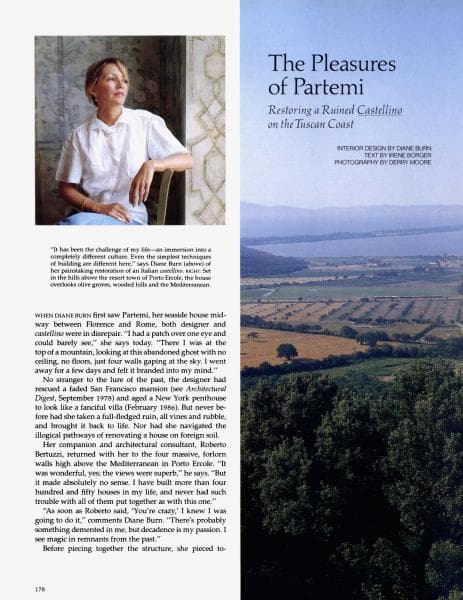
Diane Burn
About (information sourced from public biographical records)
Diane Burn is an interior designer with a 40-year career and boutique hotel owner. Her Panama property was featured in Architectural Digest in August 2009. She attended elite Westtown School and purchased Pacific Heights' historic Casebolt Mansion while teaching, suggesting family resources, then leveraged its 1978 AD cover feature into an international design practice.
Epstein Connection?
 DETECTIVE
 RESEARCHER
 EDITOR
Property Details
Wealth Score
5.0
/ 10
Wealth Source
MIXED
Interior design career spanning 40+ years, real estate renovations, boutique hot…
Professional Category
ARCHITECTURE_DESIGN
Fame Score
1
Board Memberships
Unknown (legacy text), None found. Donor to Westtown School.
Influence Score
—
Architectural Digest Issue:
“the pleasures of partemi”
by Irene Borger
Home Score Summary (Custom Aesthetic Scoring Instrument v2.3)
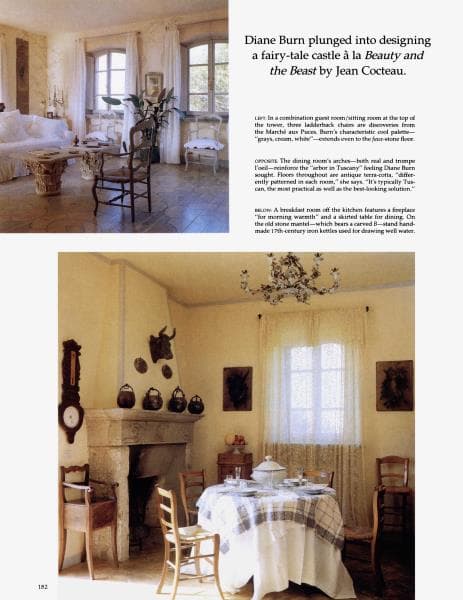
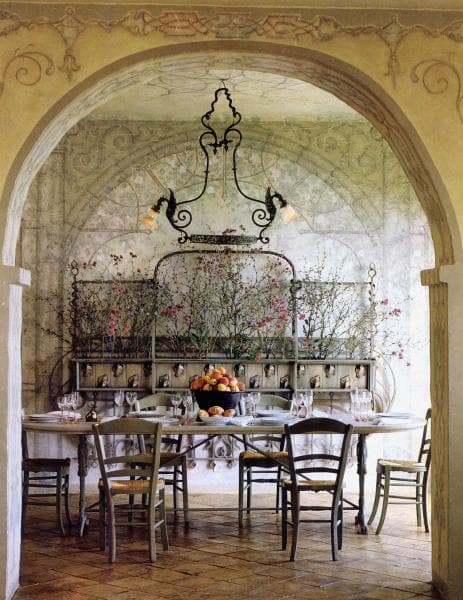
A designer's fever dream of Tuscan romanticism — part Cocteau fairy tale, part genuine ruin worship. Every surface painted, draped, or weathered into a coherent vision of ethereal decay, where antique linens float against hand-frescoed walls and the Mediterranean shimmers below. The patina is half-inherited, half-manufactured, but the obsession is unmistakably real.
Feature Pages
 p.178
p.178 p.179
p.179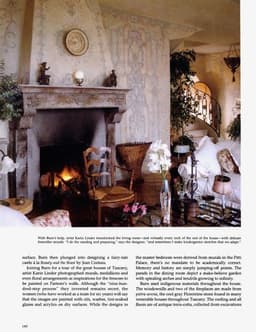 p.180
p.180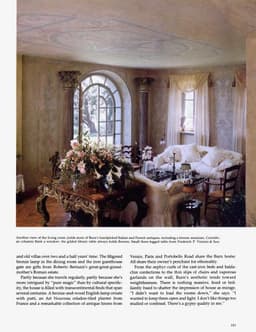 p.181
p.181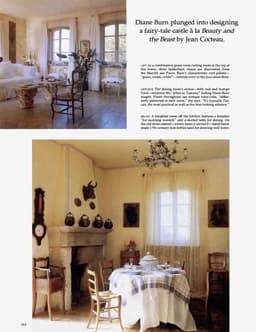 p.182
p.182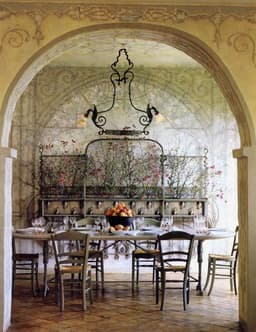 p.183
p.183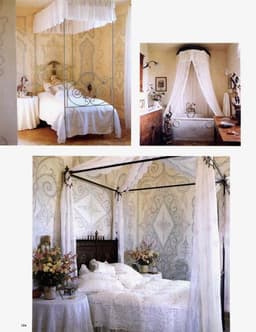 p.184
p.184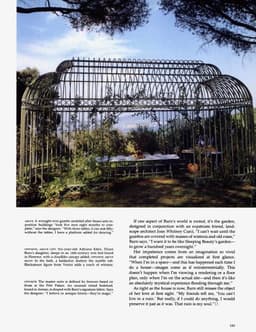 p.185
p.185Home Score
Radial Graph
The scoring pattern reflects dominance of Space (4.3) anchored by Material Warmth, suppressed Stage presence (2.7) despite elevated Curation, and moderate Story (3.7) with balanced historical and provenance signals, revealing a home that prioritizes sensory and material depth over theatrical presentation or hospitality-driven sociability.
Scoring Explanations
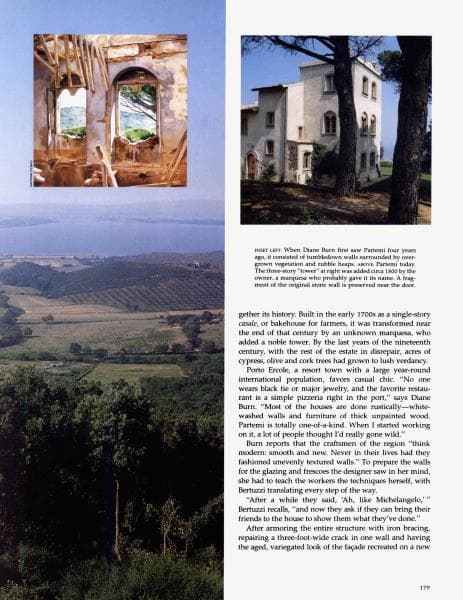
A multi-story stone castellino with a noble tower, forlorn walls high above the Mediterranean, stone arches, and substantial masonry construction — the architecture has genuine weight and volume even if the rooms are not palatial in scale.
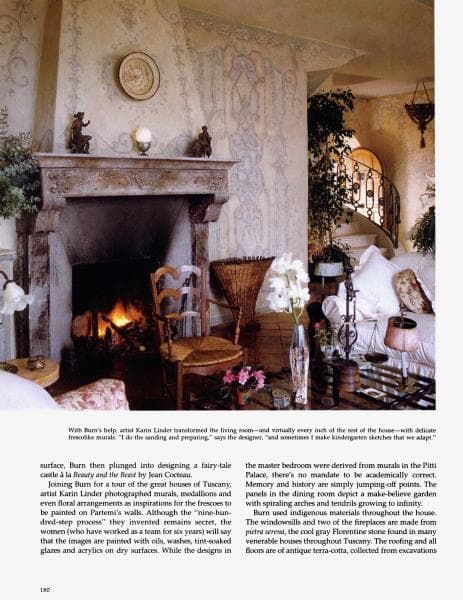
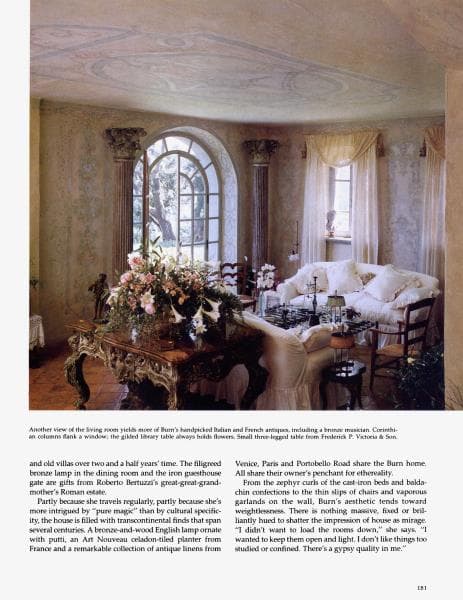
Antique terra-cotta floors throughout, whitewashed walls, linen drapes, pietra serena stone fireplaces, wrought iron beds, worn wood furniture, and soft frescoed surfaces create an entirely tactile, natural material palette.
Dense layering of antique linens, frescoed murals on virtually every wall, cast-iron beds with canopies, collected objects spanning centuries and continents — all in coherent dialogue through a consistent cream-white-gray palette.
Strong commitment to a Tuscan vernacular aesthetic with period-appropriate terra-cotta, hand-painted frescoes inspired by the Pitti Palace, antique iron beds, and ladderback chairs, with only minor modern intrusions like the iron bracing mentioned in the text.
The building itself dates to the early 1700s with a tower added circa 1800, the bronze lamp is from Bertuzzi's great-great-grandmother, floors are antique terra-cotta collected from excavations of old villas, and the deliberate preservation of ruin and patina reads as genuine accumulation.
The combination guest room/sitting room at the tower top, guesthouse gate, dining room with large table, and wrought-iron gazebo with 'a platform added for dancing' suggest entertaining capacity, but the article's dominant tone is personal passion and retreat rather than social venue.
Despite the grand setting, Burn describes Porto Ercole as a place where 'no one wears black tie' and the favorite restaurant is a pizzeria; the rooms are draped in soft linens, casual ladderback chairs surround the dining table, and the aesthetic invites inhabitation rather than deference.
Burn is a professional designer who commissioned custom frescoes with artist Karin Linder using a 'nine-hundred-step process,' designed the space as a 'fairy-tale castle à la Beauty and the Beast by Jean Cocteau,' and composed deliberate vignettes — this is highly designer-directed even if deeply personal.
The wealth here serves a personal fantasy of romantic ruin rather than performing for an audience — Burn says 'decadence is my passion, I see magic in remnants from the past' and her friends tell her 'You can't live in a ruin,' suggesting this is self-directed eccentricity, not status display.