Homeowner Name
Carol and Randolph Updyke
About (information sourced from public biographical records)
J. Randolph Updyke purchased Cherokee Plantation from bankruptcy court in 1987, which was featured in Architectural Digest's June 1990 issue.
Epstein Connection?
 DETECTIVE
 RESEARCHER
 EDITOR
Property Details
Wealth Score
—
Wealth Source
UNKNOWN
Unknown; purchased Cherokee Plantation (7,000-acre estate) from bankruptcy court…
Professional Category
UNKNOWN
Fame Score
3
Board Memberships
—
Influence Score
—
Architectural Digest Issue:
“cherokee plantation”
by James S. Wamsley
Home Score Summary (Custom Aesthetic Scoring Instrument v2.3)
A Philadelphia financier's love letter to Low Country plantation culture, restored with genuine English country house bones and a designer's disciplined hand. The 18th-century paneling imported from Britain in 1931 gives the house a provenance money alone can't buy, while the chintz, hunting paintings, and Meissen collections build a coherent sporting-estate narrative. Grand in scale but warm in execution — this is wealth performing for tradition, not for strangers.
Feature Pages
 p.138
p.138 p.139
p.139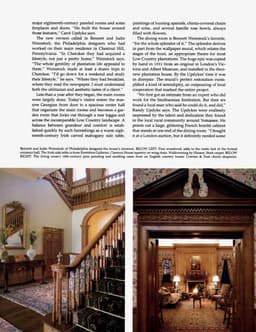 p.140
p.140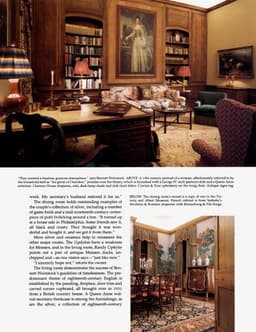 p.141
p.141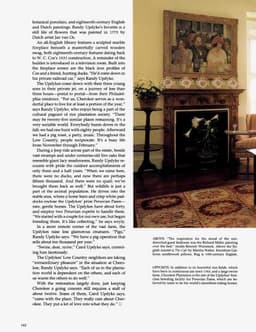 p.142
p.142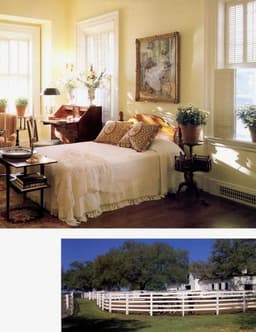 p.143
p.143Home Score
Radial Graph
Space and Story dominate equally at 4.3, driven by high Material Warmth and Historicism that establish a cohesive traditional aesthetic, while Stage suppresses to 3.0 as low Theatricality and moderate Formality indicate a deliberately understated presentation that privileges authenticity over visual drama.
Scoring Explanations
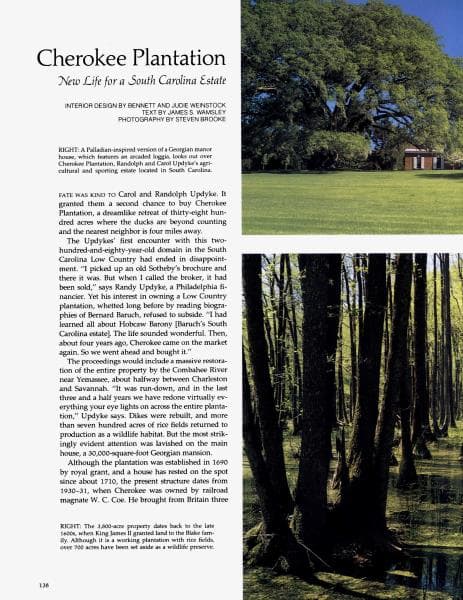
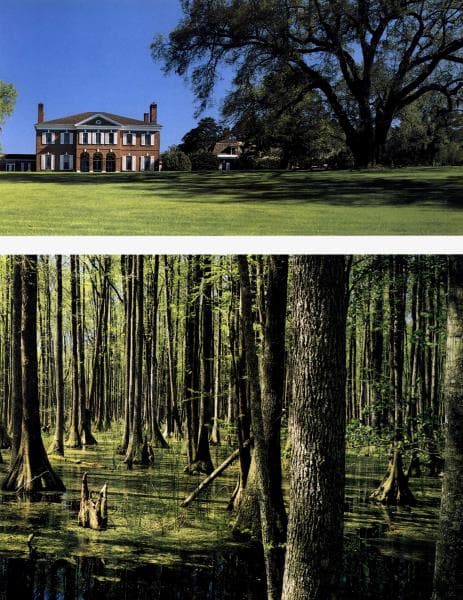
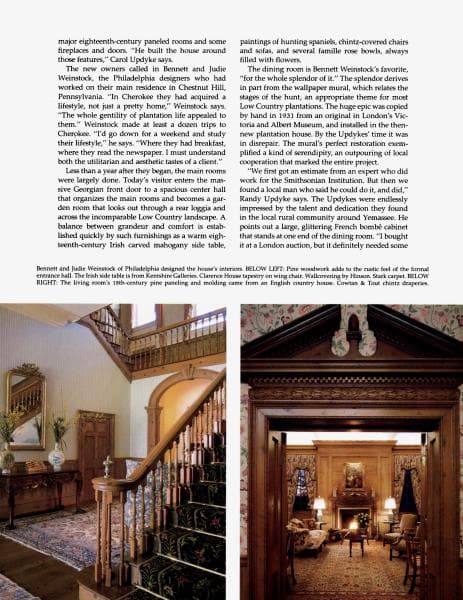
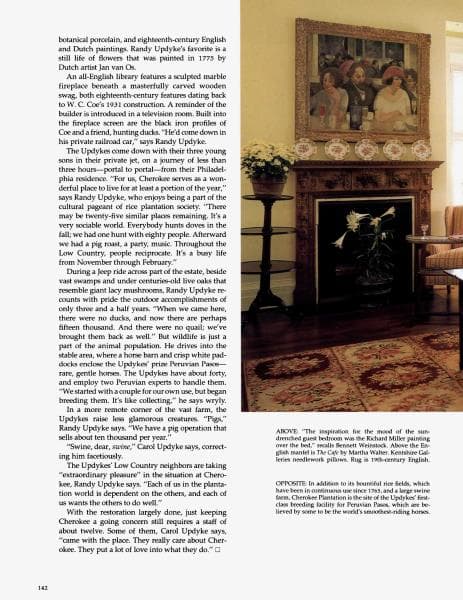
A 30,000-square-foot Georgian manor house with high ceilings, an arcaded loggia, formal entrance hall with sweeping staircase, and substantial brick construction — the architecture has real weight and impressive volume without reaching palatial gilt.
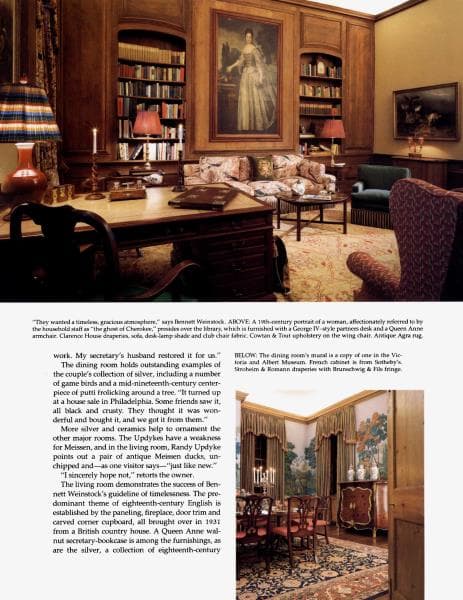
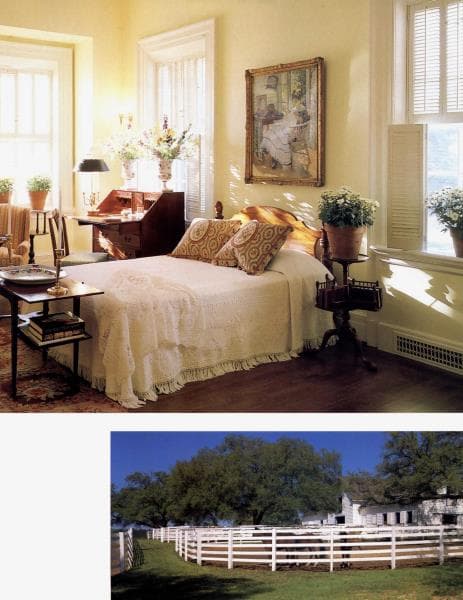
18th-century pine paneling, carved wood moldings, leather-bound books, chintz-covered chairs, linen upholstery, wide plank floors, and Persian rugs create an enveloping tactile warmth throughout every visible room.
Dense layering of hunting paintings, silver collections, Meissen porcelain, botanical prints, chintz patterns, and antique furniture — all in coherent dialogue within a consistent English country house vocabulary, every surface activated but harmonious.
The 1930-31 structure incorporates paneling, fireplace surrounds, and carved corner cupboards all brought from a British country house in 1931; the wallpaper mural was hand-copied from a V&A original, and no visible anachronisms breach the 18th-century English commitment.
The house itself dates to 1930-31 with genuine imported English elements, the property traces to King James II, and the Updykes mix inherited-feeling antiques with pieces found at house sales ('all black and crusty'), though the restoration is recent enough to show some designer polish.
The article describes hunts with eighty people, pig roasts, parties, music, guest bedrooms, a spacious center hall organizing public rooms, and a loggia overlooking the landscape — this is a sporting estate designed to receive and entertain frequently.
Despite the grand scale and Georgian symmetry, the chintz fabrics, family-scale library with comfortable club chairs, and the guest bedroom's sun-drenched casualness suggest rooms that are respected but genuinely lived in by a family with three young sons.
Bennett and Judie Weinstock of Philadelphia made at least a dozen trips to Cherokee to study the lifestyle, and the composed sight lines — symmetrical entrance hall, styled fireplace vignettes, carefully hung hunting paintings — reveal professional designer direction throughout.
The wealth here is substantial but serves plantation tradition rather than audience performance; the Meissen ducks are 'unchipped, just like new' but collected personally, the French bombé cabinet was found at a London auction, and the overall tone is 'if you know, you know' Low Country gentry.