Homeowner Name
Christopher Hodsoll
About (information sourced from public biographical records)
Christopher Hodsoll is an antiques dealer and interior designer with five storefronts on London's Pimlico Road. His own London home appeared in Architectural Digest in September 2001. He grew up in Sussex in a middle-class family, left school with one O-level, and built his business after inheriting partial ownership of Geoffrey Bennison's shop in 1984.
Epstein Connection?
 DETECTIVE
 RESEARCHER
 EDITOR
Property Details
Wealth Score
7.0
/ 10
Wealth Source
SELF MADE
Antiques dealing, interior design practice, and co-founding Soane design company
Professional Category
ARCHITECTURE_DESIGN
Fame Score
5
3,083 wiki views
Board Memberships
—
Influence Score
—
Architectural Digest Issue:
“christopher hodsoll”
by Elizabeth Lambert
Home Score Summary (Custom Aesthetic Scoring Instrument v2.3)
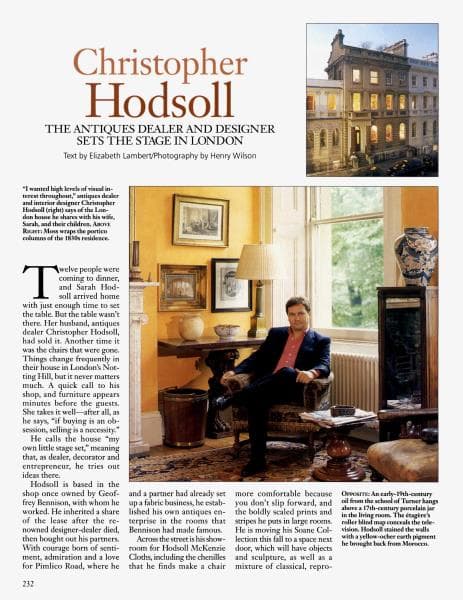
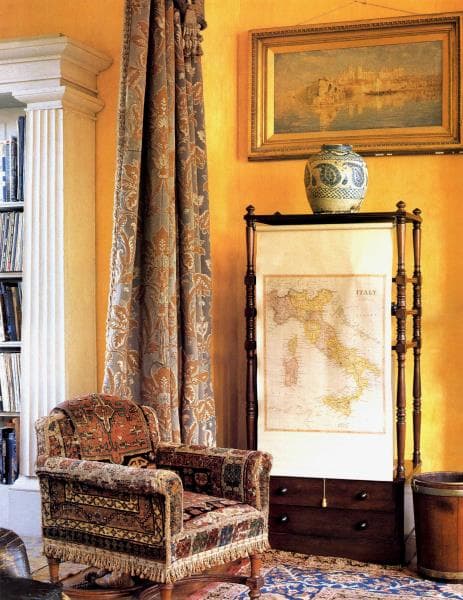
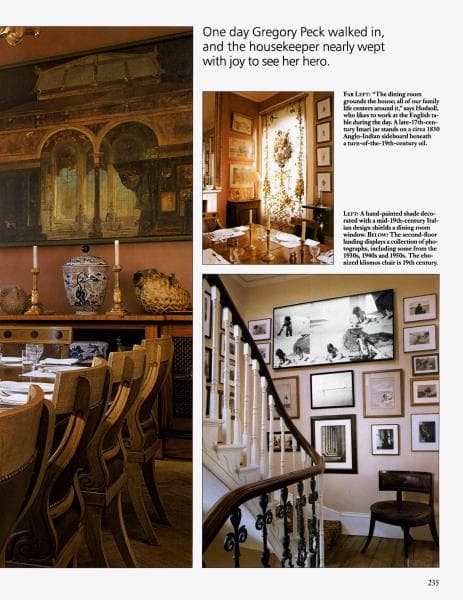
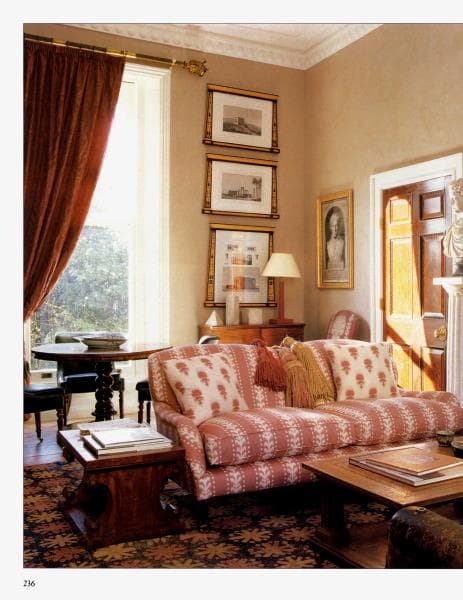
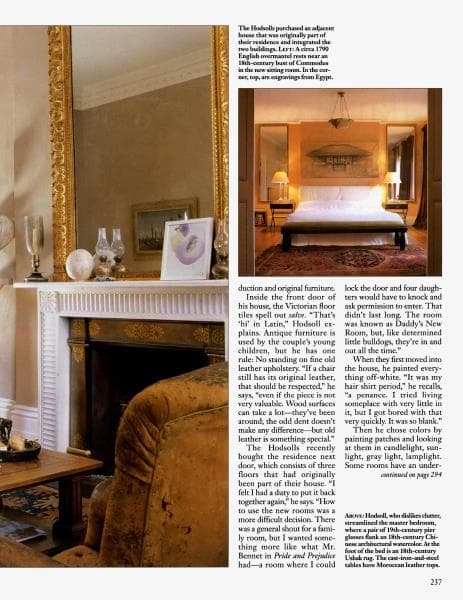
A London antiques dealer's living inventory — rooms dressed in deep ochre and terracotta where 17th-century ceramics and kilim-covered chairs rotate through like cast members in an ever-changing production. The warmth is genuine, the provenance earned through trade rather than inheritance, and the formality dissolved by four daughters who refuse to knock. Hodsoll calls it his 'own little stage set,' but the wear on the leather and the chaos of the stairwell gallery wall betray a house that serves life first and commerce second.
Feature Pages
 p.232
p.232 p.233
p.233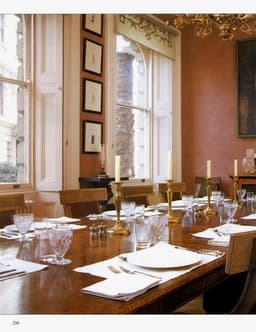 p.234
p.234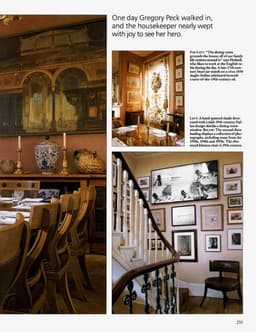 p.235
p.235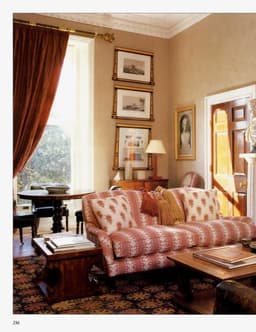 p.236
p.236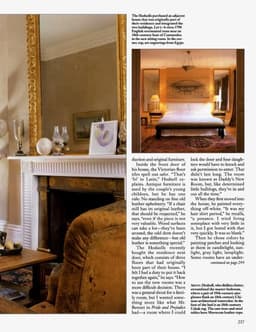 p.237
p.237Home Score
Radial Graph
The score pattern reveals a home dominated by Material Warmth and Historicism (Space and Story both anchored at 4.0–4.3) while Stage is significantly suppressed across all axes, particularly Theatricality, indicating a lived-in collection that prioritizes authentic accumulation and comfort over conscious aesthetic performance or curation.
Scoring Explanations
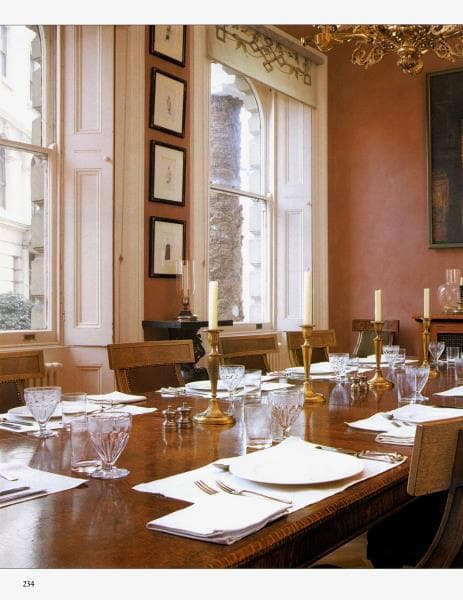
High ceilings throughout, tall Georgian windows in the dining room, portico columns on the facade, and substantial architectural detailing including cornices and pilasters all convey real architectural weight in this 1830s London townhouse.
Every room is saturated with warmth — deep ochre walls, rich velvet curtains, kilim-upholstered chairs, worn wood floors, leather, tapestry-weight curtain fabrics, and earth-pigment wall colors imported from Morocco create an enveloping tactile environment.
Dense layering of pattern-on-pattern (kilim chairs against damask curtains against ochre walls), collections of photographs on the stairwell, maps, ceramics, and antiques all in coherent dialogue through a warm tonal palette and consistent period sensibility.
Strong commitment to 18th- and 19th-century furnishings in a genuine 1830s house — Anglo-Indian sideboards, Imari jars, Victorian floor tiles spelling 'salve,' and period-appropriate lighting — with only minor modern intrusions like the streamlined master bedroom.
The article describes furniture constantly arriving and departing as Hodsoll sells pieces from his own home, chairs with original old leather that 'should be respected,' and the house itself dating to the 1830s with genuine age and patina throughout — this is a dealer's lived-in stockroom, not a stage set.
The article opens with twelve people coming to dinner, the dining room is described as the center of family life where Hodsoll works at the table during the day, and the formal dining setup with brass candlesticks for a large party dominates the imagery — this house is built around gathering.
Despite the grand rooms and formal dining table, the article emphasizes children running in and out of every room including 'Daddy's New Room,' antique furniture used by young children, and the constant flux of objects — this is a house respected but not feared by its inhabitants.
Hodsoll is a professional dealer-designer who calls the house his 'own little stage set' where he tries out ideas, but the constant buying and selling means objects rotate organically rather than being frozen in styled vignettes — it's professional taste applied personally rather than editorial staging.
The wealth here is quiet and knowing — 17th-century Imari jars, Moroccan leather tops, earth pigments mixed by candlelight — all chosen by a connoisseur for his own satisfaction rather than brand recognition; nothing here announces its price to an outsider.