Homeowner Name
Anonymous
About (information sourced from public biographical records)
Epstein Connection?
 DETECTIVE
 RESEARCHER
 EDITOR
Property Details
Wealth Score
—
Wealth Source
—
Professional Category
Media
Fame Score
—
Board Memberships
—
Influence Score
—
Architectural Digest Issue:
“speaking volumes”
by Marella Caracciolo
Home Score Summary (Custom Aesthetic Scoring Instrument v2.3)
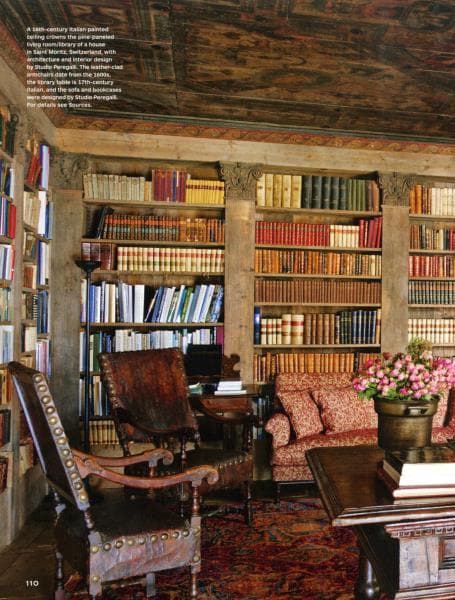
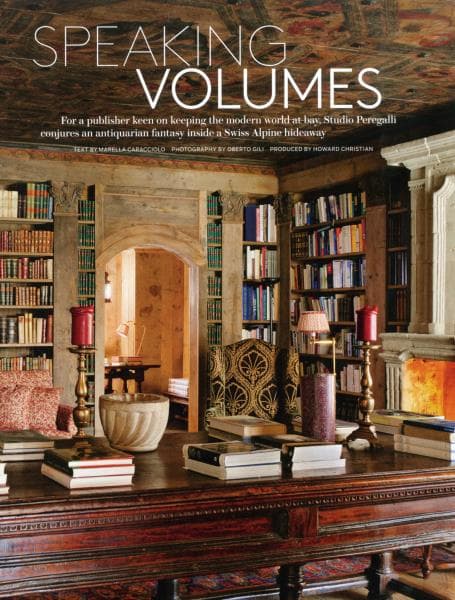
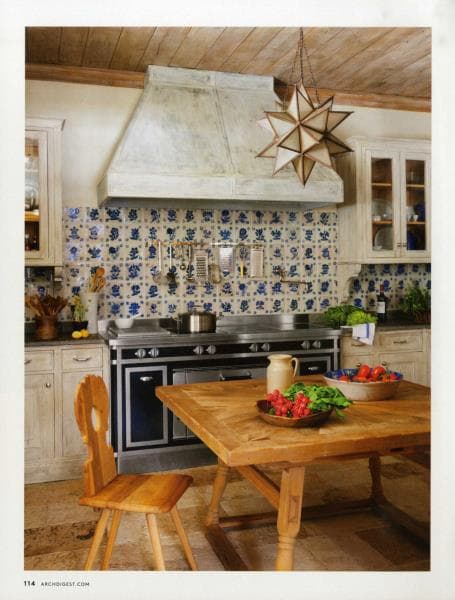
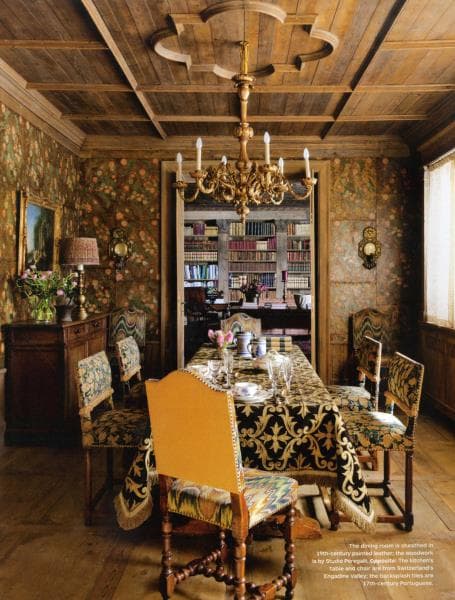
An antiquarian fantasy built by a publisher who wants to live inside his own library. Studio Peregalli transplanted a 16th-century Ferrara ceiling into a Swiss Alpine retreat and filled it with centuries of accumulated European craft — painted leather walls, tapestry chairs, thousands of leather-bound books — creating a space that feels less designed than excavated. The modern world has been surgically removed; what remains is a deeply personal cabinet of historical wonders that happens to be heated.
Feature Pages
 p.110
p.110 p.111
p.111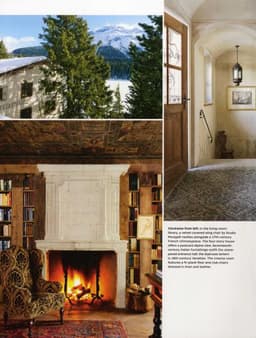 p.112
p.112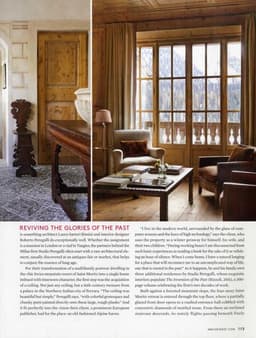 p.113
p.113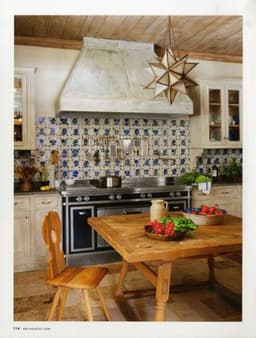 p.114
p.114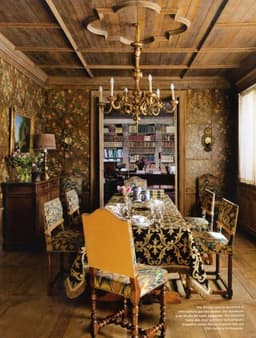 p.115
p.115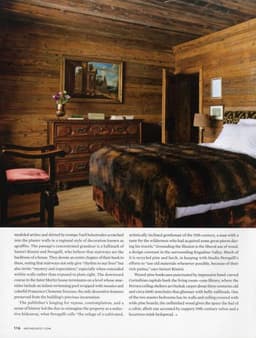 p.116
p.116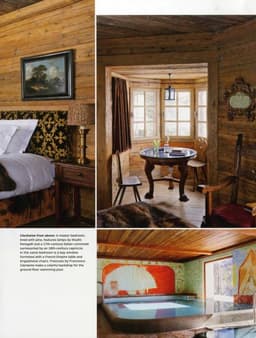 p.117
p.117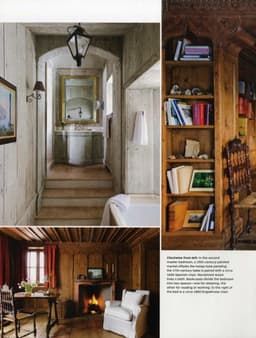 p.118
p.118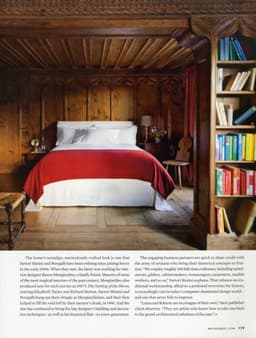 p.119
p.119Home Score
Radial Graph
Space dominates the scoring through high Material Warmth and Maximalism, while Story's strength in Historicism and Provenance is severely suppressed by near-zero Hospitality, and Stage remains subdued across all axes with Curation as its sole modest anchor, creating a pattern of private accumulation over public performance.
Scoring Explanations
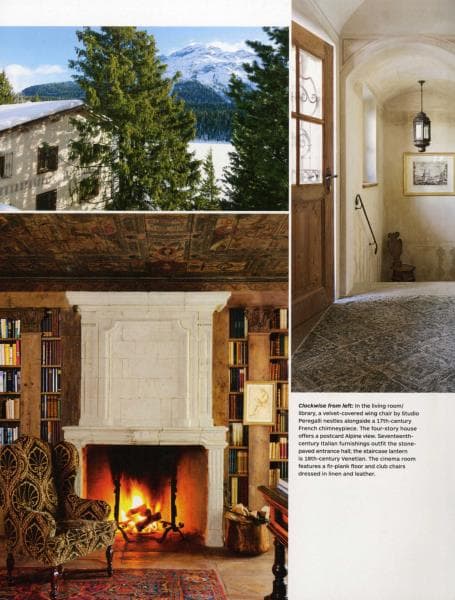
The 16th-century Italian painted ceiling from a Ferrara palace, hand-carved Corinthian capitals flanking the bookcases, stone-paved entrance hall with vaulted ceilings, and four-story construction all convey substantial architectural weight and impressive volume without tipping into palatial excess.
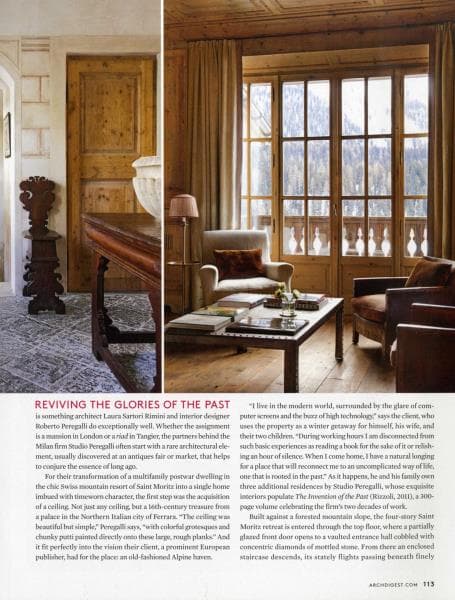
Every surface is pine paneling, recycled larch, wide-plank floors, leather armchairs from the 1600s, Oriental rugs, linen upholstery, and stone fireplaces — the entire house is a tactile embrace of natural, aged materials with virtually no cold or reflective surfaces.
Pattern-on-pattern throughout — painted leather walls in the dining room, tapestry-covered chairs, Oushak carpets, thousands of books, floral-upholstered sofas, decorative tablecloths — yet everything speaks the same antiquarian language with extraordinary internal coherence.
The home commits fully to a pre-modern European aesthetic: the 16th-century Ferrara ceiling, 17th-century Italian library table, circa-1600 armchairs, French Empire furniture, Engadinese chairs, 19th-century painted leather walls, and 17th-century Portuguese tapestry tiles in the kitchen — with virtually no visible modern intrusions.
While Studio Peregalli assembled this from salvaged and antique elements rather than inheriting them, the circa-1600 leather chairs, genuine period ceilings transplanted from palaces, and the deliberate use of recycled pine and larch with rich patina create a convincingly accumulated atmosphere — the article notes the client owns three Peregalli residences and the pieces date across centuries.
The article explicitly describes the publisher as seeking escape from the modern world — 'reading a book for the sake of it or relishing an hour of silence' — and the best rooms are the private library and bedrooms; this is a personal retreat designed for solitude and contemplation, not entertaining.
The rooms are richly appointed and the antiques command respect, but the worn leather, curl-up sofas, books stacked casually, pine-clad bedrooms with simple white linens, and rustic kitchen table suggest the owner lives comfortably within these grand spaces rather than being disciplined by them.
Studio Peregalli is one of the most deliberate design firms working today, and the composed sight lines through doorways into book-lined rooms, the precise placement of Corinthian capitals, and the coordinated antiquarian vignettes throughout reveal a highly professional design hand — though the client's genuine passion for history keeps it from feeling purely editorial.
The wealth here is enormous but entirely inward-facing — the client explicitly rejects the modern world, there are no brand signals or recognizable contemporary art, and the luxury is expressed through obscure historical artifacts and salvaged architectural elements that require deep knowledge to appreciate.