Homeowner Name
Dan Schieffer and Suzanne Kolberg
About (information sourced from public biographical records)
Dan Schieffer and Suzanne Kolberg are a private couple whose Washington, D.C. home was featured in Architectural Digest's October 2008 issue.
Epstein Connection?
 DETECTIVE
 RESEARCHER
 EDITOR
Property Details
Wealth Score
—
Wealth Source
UNKNOWN
Unknown
Professional Category
UNKNOWN
Fame Score
3
Board Memberships
—
Influence Score
—
Architectural Digest Issue:
“new order in the capital”
by Joseph Giovannini
Home Score Summary (Custom Aesthetic Scoring Instrument v2.3)
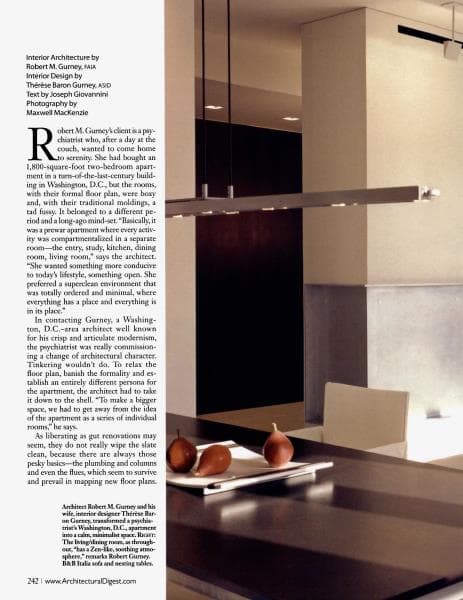
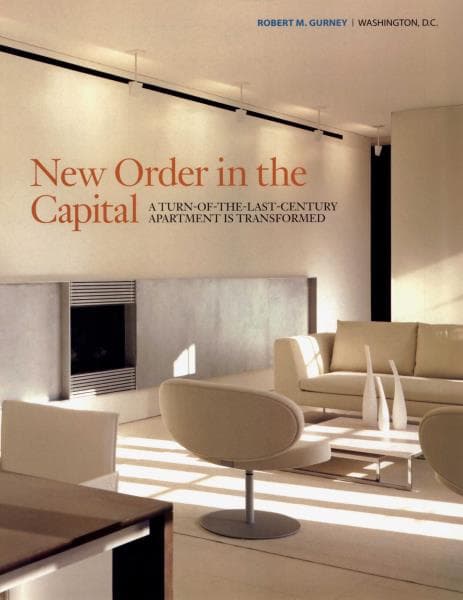
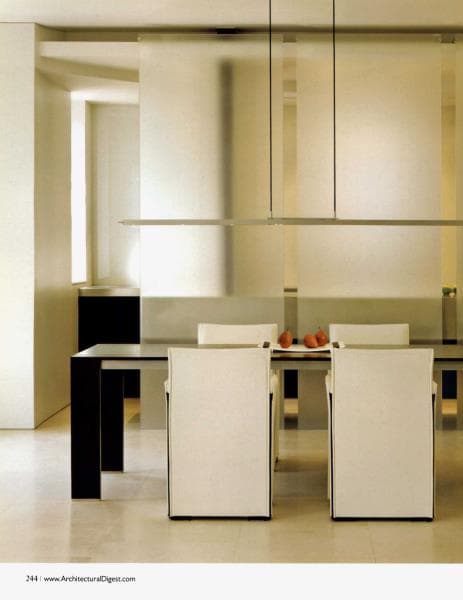
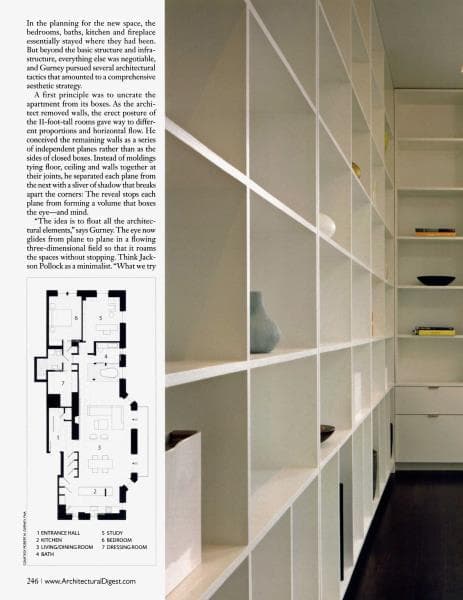
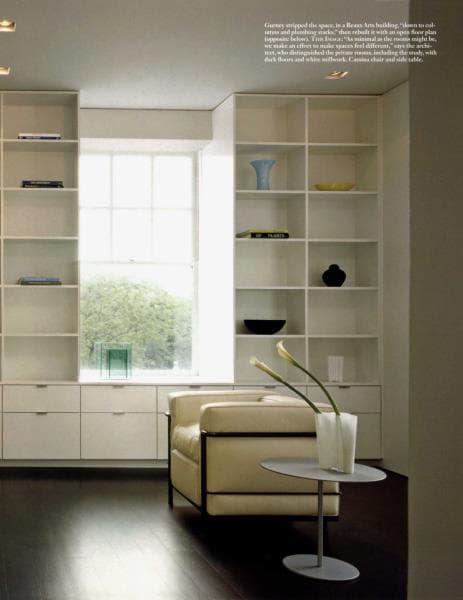
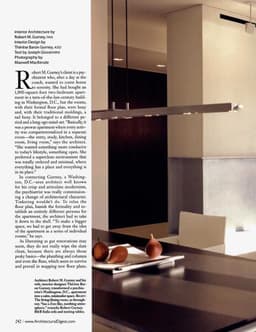
A psychiatrist's decompression chamber — every traditional detail of the Beaux Arts apartment surgically removed and replaced with floating planes of limestone, glass, and aluminum. The space performs minimalism with monastic discipline, where three oranges on a dining table constitute maximum decoration. It's genuinely therapeutic rather than performative, but so controlled it might give you anxiety about leaving a coffee cup out.
Feature Pages
 p.242
p.242 p.243
p.243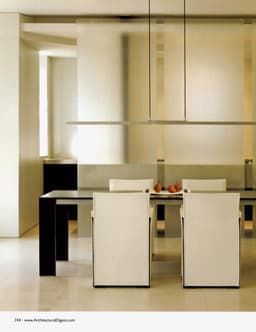 p.244
p.244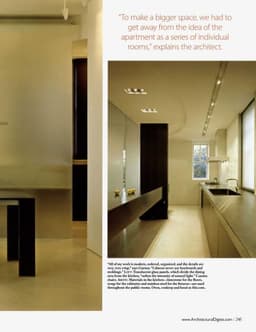 p.245
p.245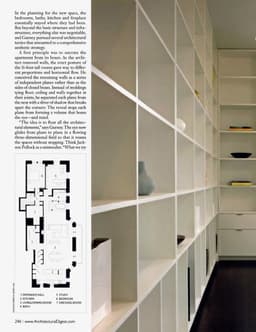 p.246
p.246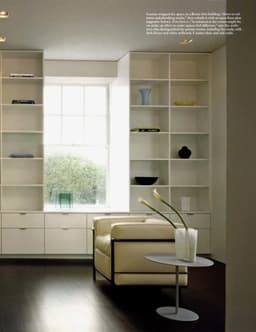 p.247
p.247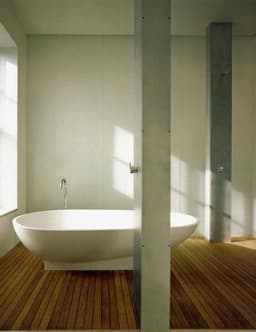 p.248
p.248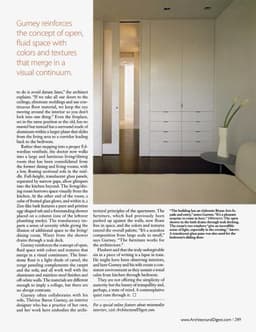 p.249
p.249Home Score
Radial Graph
The scoring reveals a suppressed Story dimension (1.0) paired with dominant Stage curation (5) and modest Grandeur (3), indicating a home that privileges curatorial control and formal presentation over narrative depth or material engagement.
Scoring Explanations
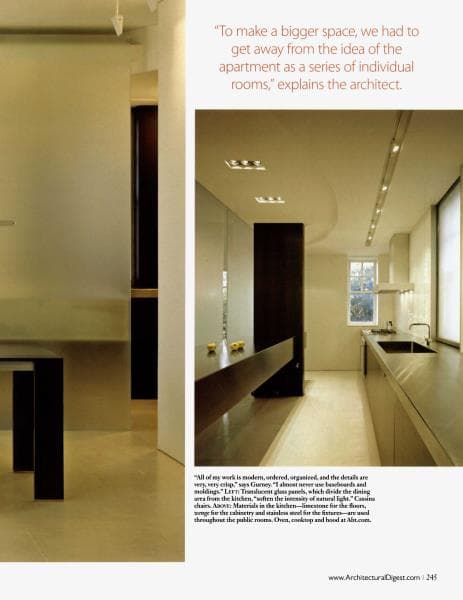
The 1,800-square-foot apartment has generous proportions after walls were removed, with clean volumes and quality materials like limestone floors, aluminum, and stainless steel, but the scale remains residential and human rather than imposing.
Dominated by limestone floors, translucent glass panels, stainless steel, aluminum fireplace surround, and white walls — the bathroom's teak decking and the study's dark wood floors provide warm accents but the overall palette reads cool and clinical.
Extremely spare and minimal throughout — the living room has a low sofa and single swivel chair, the dining table holds only three oranges, shelving units are mostly empty, and the architect explicitly pursued a 'superclean environment' with 'everything in its place.'
The turn-of-the-century Beaux Arts building was deliberately stripped 'down to columns and plumbing stacks' and rebuilt as a thoroughly contemporary minimalist interior with zero historical references retained.
Everything arrived at once in a complete gut renovation — pristine surfaces, new B&B Italia and Cassina furniture, no inherited objects, no patina, no evidence of accumulated life whatsoever.
The article explicitly states the psychiatrist client 'wanted to come home to serenity' after work — this is a personal retreat designed for calm and solitude, not entertaining, with the best spaces serving private contemplation.
The pristine limestone floors, gallery-white walls, and carefully composed minimal objects create a space where you'd instinctively watch your step — the 'Zen-like, soothing atmosphere' reads more as disciplined restraint than relaxed comfort.
Every element is architect-directed with extreme precision — the reveal detail separating every plane, the three oranges as the only dining table objects, the translucent glass panels, and the near-empty shelving are composed for visual effect and editorial impact.
The recognizable Cassina and B&B Italia pieces signal design literacy, but the overall restraint serves the owner's genuine desire for minimalist calm rather than performing wealth — this is quiet luxury for a private professional.