Homeowner Name
Anonymous
About (information sourced from public biographical records)
Epstein Connection?
 DETECTIVE
 RESEARCHER
 EDITOR
Property Details
Wealth Score
—
Wealth Source
—
Professional Category
Business
Fame Score
—
Board Memberships
—
Influence Score
—
Architectural Digest Issue:
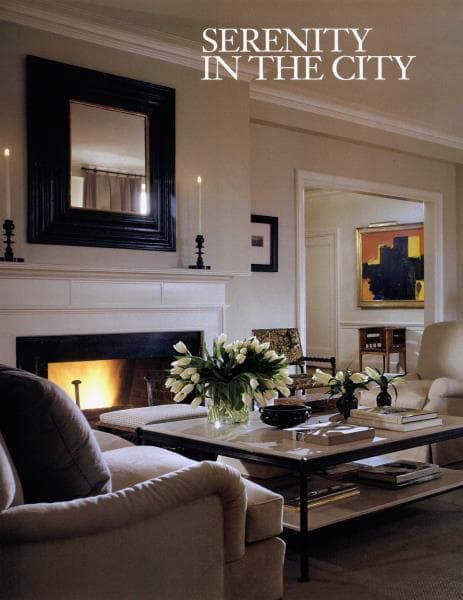
“serenity in the city”
by Steven M. L. Aronson
Home Score Summary (Custom Aesthetic Scoring Instrument v2.3)
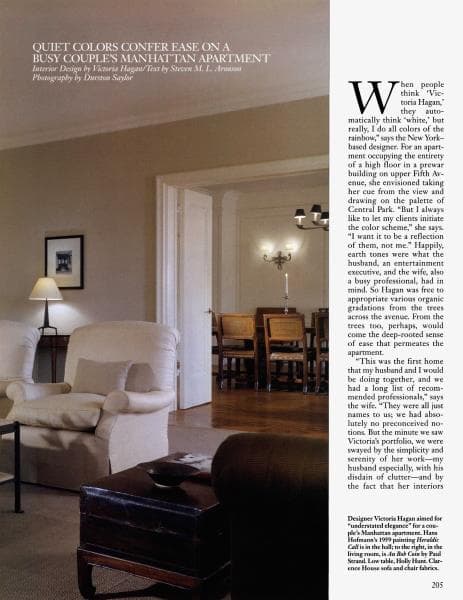
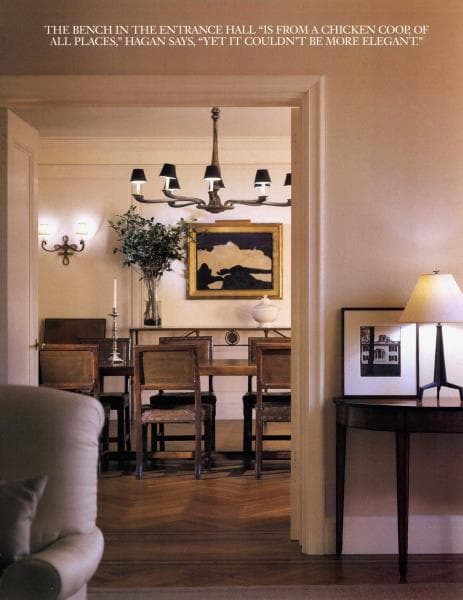
Quiet Fifth Avenue authority dressed in earth tones and serious art. Hagan's 'understated elegance' is the aesthetic of people who can afford to whisper — the Hofmann over the fireplace and the Twombly in the bedroom are museum-quality but never raise their voices. The paneled study and chicken-coop bench coexist with the same unforced confidence that makes prewar Manhattan apartments feel like they've always been this way.
Feature Pages
 p.204
p.204 p.205
p.205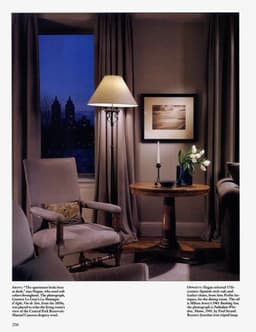 p.206
p.206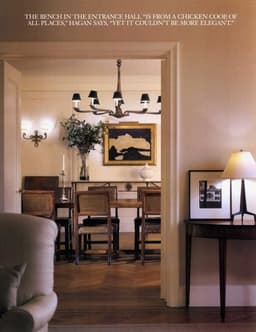 p.207
p.207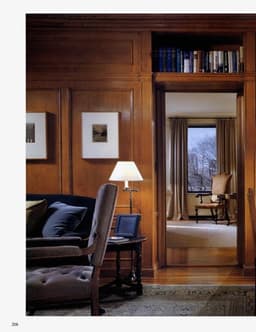 p.208
p.208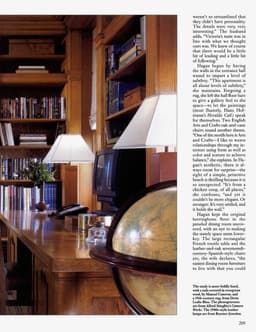 p.209
p.209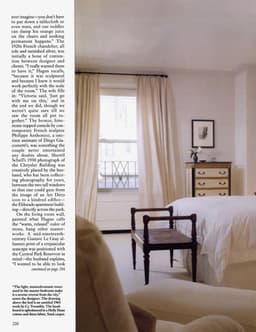 p.210
p.210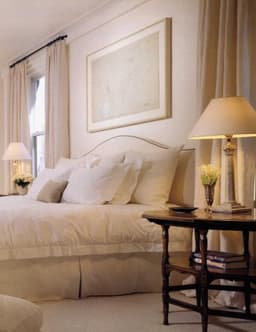 p.211
p.211Home Score
Radial Graph
Space dominates this score pattern at 3.7, driven by high Grandeur and Material Warmth that establish confident architectural presence, while Story and Stage both flatten to 3.0, with Curation alone lifting Stage above its peers and Theatricality suppressed to 2, creating a profile that privileges spatial authority and tactile substance over narrative depth or performative gesture.
Scoring Explanations
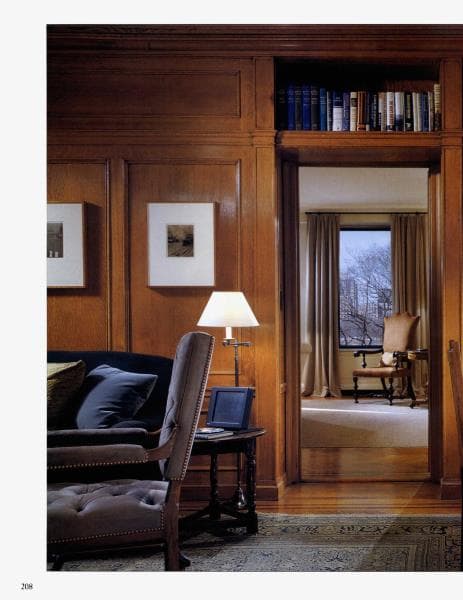
A high-floor prewar Fifth Avenue apartment with generous ceiling heights, crown moldings, paneled study, herringbone floors, and formal room proportions that communicate substantial architectural weight without reaching palatial scale.
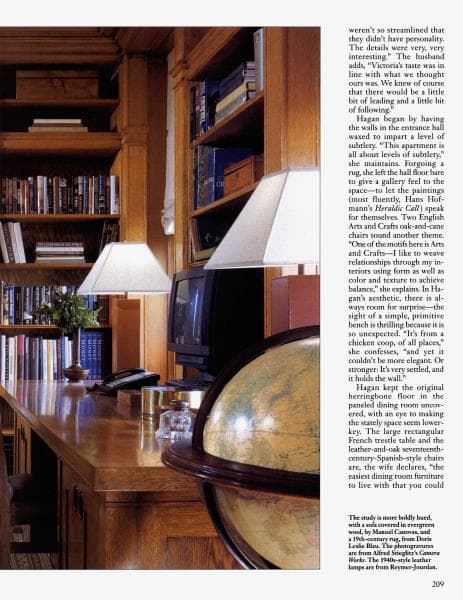
The oak-paneled study, warm earth-toned upholstery, leather chairs, wood side tables, linen drapery, and waxed entrance hall walls create a predominantly warm tactile environment, with the cream-toned bedroom and living room providing softer rather than cold contrast.
Moderate layering throughout — carefully placed art, flowers, books, and furnishings create a lived-in richness without density; the designer's stated 'disdain of clutter' keeps objects restrained but purposeful.
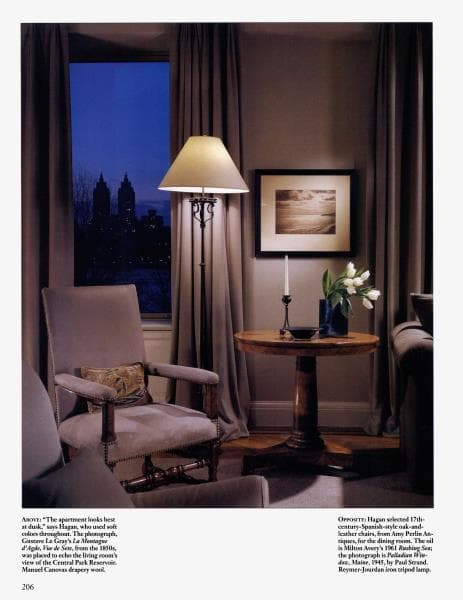
The prewar architecture is genuine, with 17th-century Spanish-style chairs, Arts and Crafts oak-and-cane chairs, and a French trestle table, but the mix of periods — a 1920s French chandelier, contemporary art by Hans Hofmann and Cy Twombly, and modern Paul Strand photography — is deliberate eclecticism rather than period commitment.
Victoria Hagan has convincingly assembled a space that feels accumulated — the chicken-coop bench, antique Spanish chairs, and waxed walls suggest patina — but the article reveals this was the couple's first home together, designed from scratch with recommended professionals.
The article describes this as a retreat for a busy couple — 'serenity in the city' — with a formal dining room capable of hosting and generous public rooms, but the emphasis is on personal comfort and escape from professional life rather than entertaining.
Quality and considered throughout — the wife notes the dining furniture is forgiving enough for a toddler to spill orange juice on, suggesting the formality of the architecture is tempered by genuinely relaxed living, though the rooms still command respect.
Victoria Hagan's hand is evident in the composed sight lines — the fireplace mantel vignette with mirror and candles, the precisely positioned Le Gray photograph echoing Central Park Reservoir, the symmetrical lamp arrangements in the bedroom — all hallmarks of professional editorial staging.
The art collection includes Hans Hofmann, Cy Twombly, Milton Avery, and Alfred Stieglitz — serious and valuable but quietly installed without spotlighting; the husband's photography collection reflects genuine passion rather than trophy acquisition, and the earth tones deliberately avoid flashiness.