Homeowner Name
Timothy Stevenson and Phyllis Carlson
About (information sourced from public biographical records)
Timothy Stevenson and Phyllis Carlson are antique dealers operating a business in Manchester Center, Vermont. Their home featured in Architectural Digest's June 1999 issue showcased their extensive collections, including approximately 700 sterling and coin silver napkin rings. They built their wealth through their antique dealing business in Vermont's affluent Manchester area.
Epstein Connection?
 DETECTIVE
 RESEARCHER
 EDITOR
Property Details
Wealth Score
7.0
/ 10
Wealth Source
SELF MADE
Antique dealing business in Manchester Center, Vermont
Professional Category
ART
Fame Score
4
1,920 wiki views
Board Memberships
Vice President, Board of Directors, United Counseling Service
Influence Score
—
Architectural Digest Issue:
“in the vermont vernacular”
by Jeffrey Simpson
Connection Summary (Created by Opus 4.5 based on all evidence collected)
Investigation revealed that detective algorithms flagged Timothy Stevenson and Phyllis Carlson based on surname matches to other individuals with those last names in Epstein-related records. Comprehensive DOJ searches returned zero results for either Stevenson or Carlson, confirming no connection between these individuals and Jeffrey Epstein.
DOJ Documents
174
results in Epstein Library
Evidence Sources
1
DOJ Library
Evidence Entries
0
distinct pieces
Confidence
5%
pipeline certainty
Connection Evidence
The following documents were used as direct evidence of a possible connection for the Researcher and Editor to make an assessment:
Agentic AI Reasoning Logic

Researcher’s Assessment: COINCIDENCE
No BB entry. Zero DOJ results. Complete surname collision with unrelated Stevensons and Carlsons in the Epstein document corpus.

Editor’s Final Judgement: REJECTED
Manual audit GAP 2 review. Detective flagged likely_match (confidence 0.75) but Elena never investigated. Full DOJ search finds zero results for either person. The detective likely_match was triggered by surname hits for other Stevensons/Carlsons. Clear reject.
Home Score Summary (Custom Aesthetic Scoring Instrument v2.3)
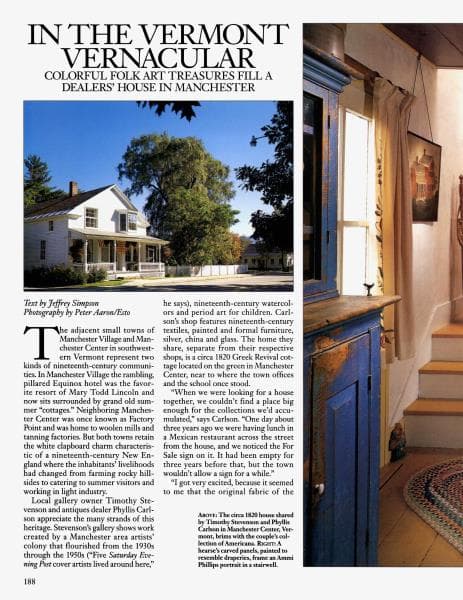
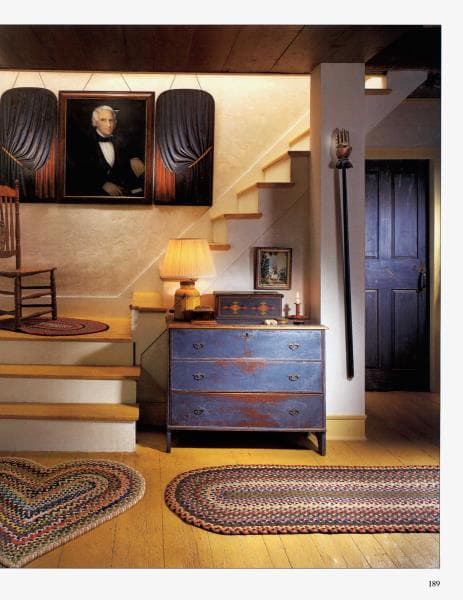
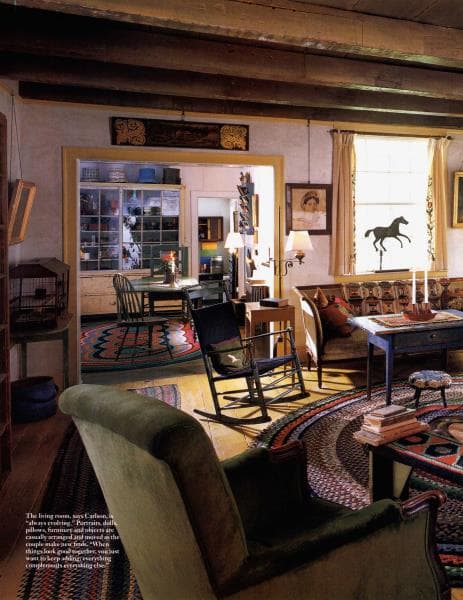
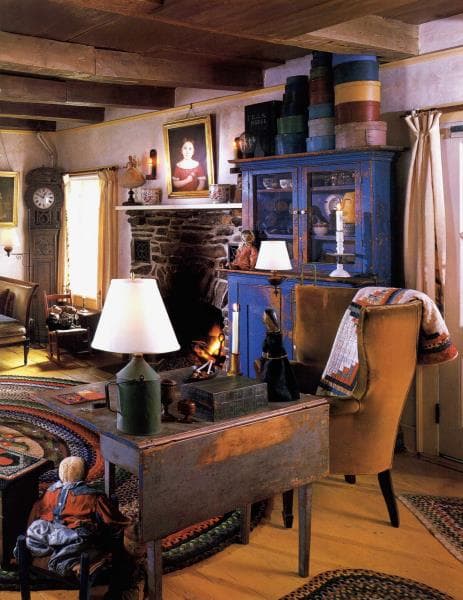
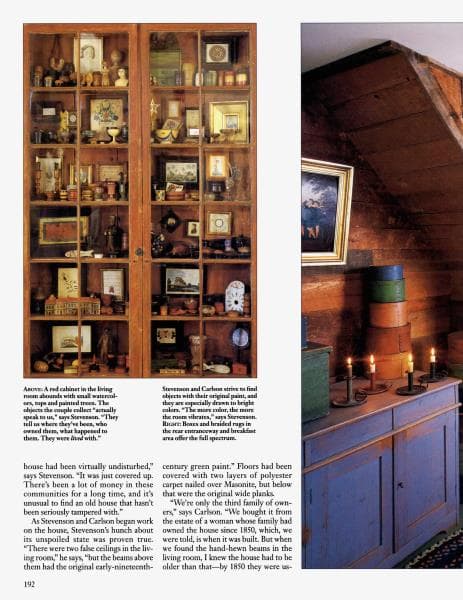
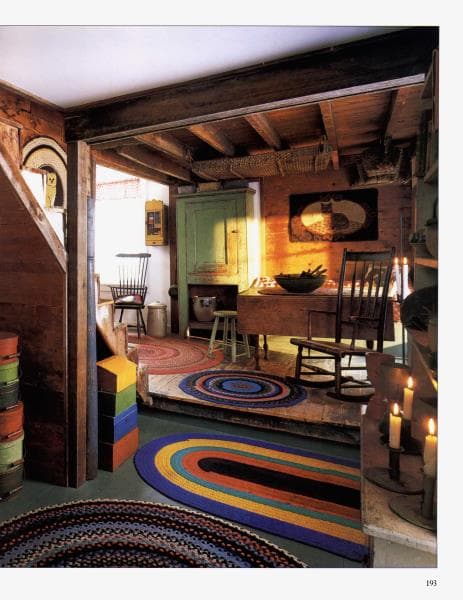
A dealers' den where every object has been handled, haggled over, and placed with the intuition of two people who've spent their lives inside this material world. The low-beamed rooms glow with candlelight and original paint surfaces in a color palette — indigo, ochre, barn red — that feels genetically Vermont. This is maximalism as autobiography, not decoration.
Feature Pages
 p.188
p.188 p.189
p.189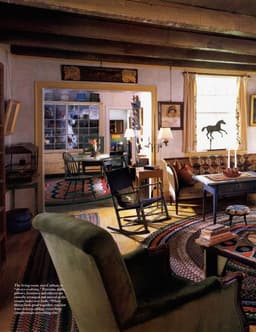 p.190
p.190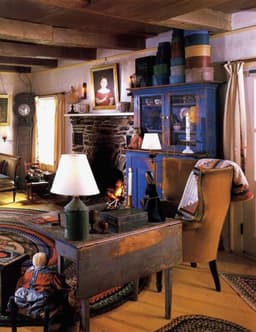 p.191
p.191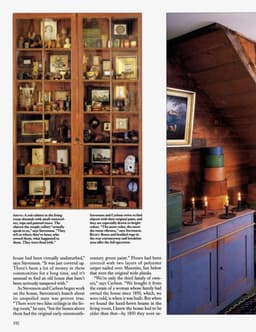 p.192
p.192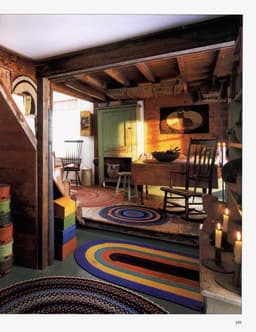 p.193
p.193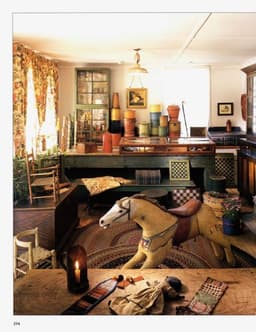 p.194
p.194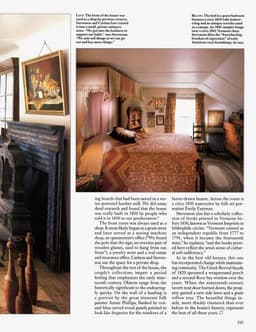 p.195
p.195Home Score
Radial Graph
Space dominates with Material Warmth and Maximalism (both 5) anchoring an intimate, accumulated aesthetic, while Story sustains moderate strength through deep Historicism and Provenance (both 5) but collapses on Hospitality (2), and Stage is almost entirely suppressed across all axes, revealing a home structured around personal stewardship rather than visual performance.
Scoring Explanations
Low ceilings with exposed hand-hewn beams, human-scale rooms throughout, and intimate proportions typical of an early 19th-century Vermont vernacular house — this is the opposite of palatial.
Wide-plank pine floors, exposed timber beams, stone fireplace, braided rugs on every surface, painted wood furniture, linen and cotton textiles — every material is tactile, natural, and warm.
Every surface is activated with coherent folk art dialogue: braided rugs, painted boxes, portraits, weathervanes, rocking horses, quilts, and stacked bandboxes all share a consistent early American palette and vocabulary.
The circa 1820 Greek Revival cottage is furnished entirely with period-appropriate early American folk art, painted furniture, Ammi Phillips portraits, and nineteenth-century textiles with virtually no visible anachronisms.
As antiques dealers, Stevenson and Carlson seek objects with original paint and genuine wear; the house itself retains its original wide-plank floors and hand-hewn beams, and the accumulation reads as decades of passionate, knowledgeable collecting rather than decorating.
The article describes a private antiques shop in the front room and a personal retreat behind it; the intimate rooms, curl-up furniture, and candlelit spaces suggest a home designed for two collectors, not for entertaining.
Rocking chairs, braided heart-shaped rugs, candlelight, a green velvet sofa you'd sink into, and rooms described as 'always evolving' with casually arranged objects — this home invites you to sit down and stay.
This is entirely self-curated by two dealer-collectors who describe objects as things that 'speak to us' and tell stories of who owned them; the density is personal obsession, not editorial styling.
Nothing here performs for an outside audience — the Ammi Phillips portraits, painted bandboxes, and braided rugs are deeply unfashionable status symbols; this is 'if you know you know' collecting driven by genuine love of early American material culture.
Analysis
Key Findings
Expand